
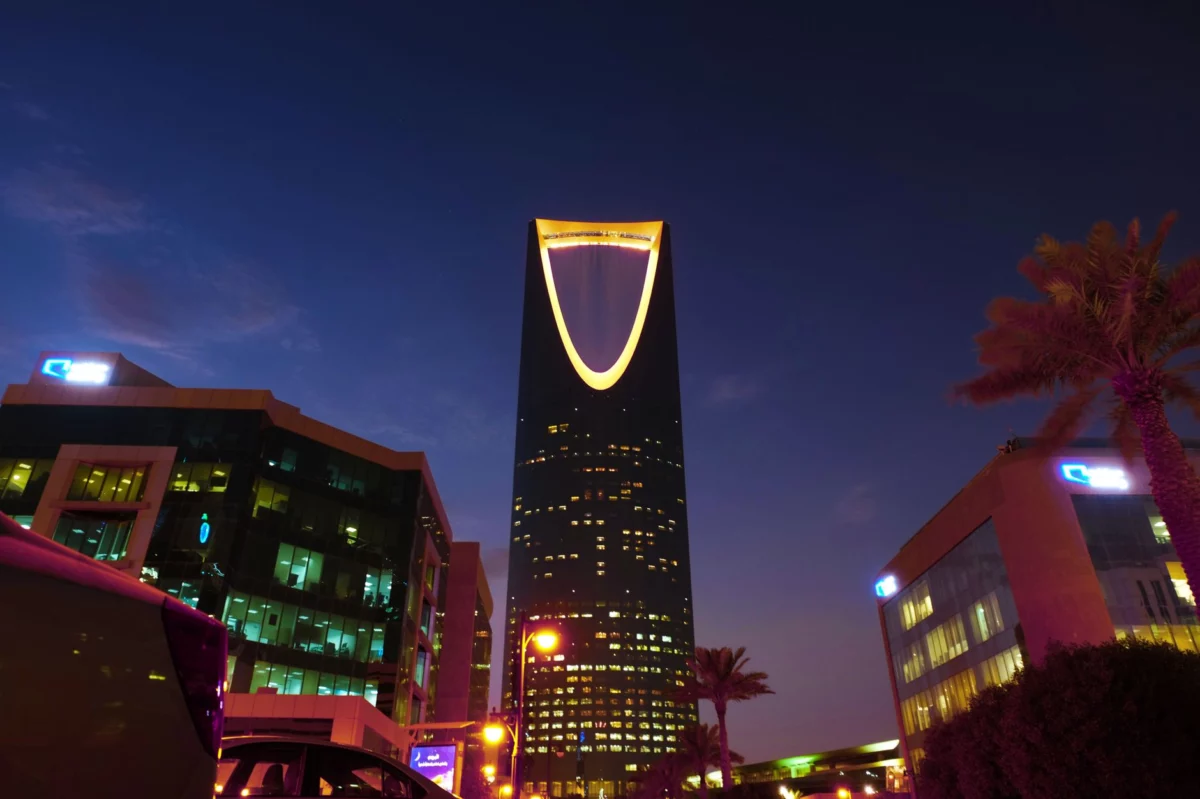
In 2026, the Saudi tourism transformation enters a more tangible phase: the Kingdom is moving beyond bold headlines toward delivery at scale. If you’re wondering what that shift means for travelers, investors, and tourism operators, you’ll learn how Saudi Arabia‘s leadership changes—anchored by the appointment of Ageel Alshaibani as chief executive of the Saudi Tourism Authority—are aligning with major international-facing moments like WTM Spotlight Riyadh and the momentum behind TOURISE. This is the second act of an extraordinary transformation, and it’s defined less by ambition and more by execution.
Key Takeaways
Frequently Asked Questions
What does “entering a more tangible phase” in 2026 really mean for travelers?
It means the strategy is moving from announcements to measurable delivery—more coordinated experiences, clearer timelines, and better execution across tourism touchpoints. For travelers, the practical impact is typically seen in smoother planning, stronger event-linked promotions, and more predictable service outcomes rather than only high-level tourism goals.
How does the appointment of Ageel Alshaibani as CEO of the Saudi Tourism Authority affect the tourism sector?
A CEO appointment signals a stronger focus on governance and execution. It can also indicate tighter alignment between strategy and day-to-day priorities, which matters for standards, partnerships, and how quickly programs roll out. In practical terms, operators may expect more structured decision-making and clearer implementation pathways.
Why are WTM Spotlight Riyadh and the momentum behind TOURISE mentioned in the article—what’s their role?
These are internationally visible moments that help translate strategy into real engagement. By aligning leadership and execution with events like WTM Spotlight Riyadh and TOURISE momentum, Saudi tourism can demonstrate progress to global stakeholders, attract partnerships, and convert interest into concrete initiatives that support both capacity and demand.
For tourism investors, does this article suggest a shift in how opportunities will be presented or assessed?
Yes. The text emphasizes “execution at scale,” which often means investments are more likely to be evaluated around delivery capability—timelines, partner readiness, and operational outcomes. Investors may therefore see more structured opportunities connected to major tourism-facing engagements, with fewer purely headline-led initiatives.
What does “second act” imply, and how should tourism operators interpret it?
“Second act” suggests the transformation has moved past the early stage of ambition and into a phase where results matter most. For operators, it implies that execution, consistency, and scalability will be prioritized—potentially affecting onboarding, collaboration standards, and how quickly new programs or partnerships translate into visitor-facing services.