
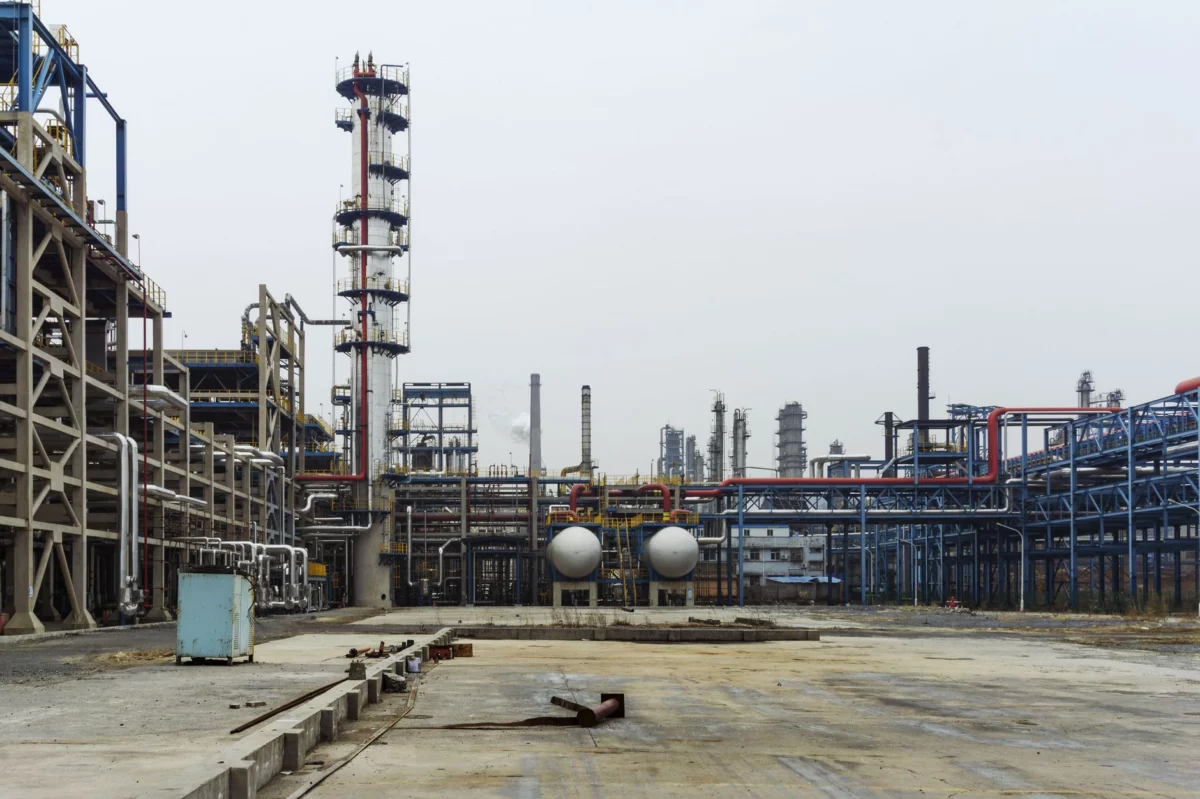
The East-West pipeline closure is more than a temporary operational pause. It is a stark reminder that global energy security depends on a handful of vulnerable corridors, and that one attack can send shockwaves from the Red Sea to refinery margins, tanker insurance, and the wider oil market. For Saudi Arabia, the 1,200-km line is not just steel in the desert; it is a pressure valve for a system built around crude oil exports, strategic redundancy, and the ability to bypass the Strait of Hormuz when the region turns volatile.
Why the East-West Crude Oil Pipeline matters
Often called Petroline, the East-West Crude Oil Pipeline is one of the most important pieces of pipeline transport infrastructure in the world. It links the kingdom’s eastern production heartland to western export outlets, giving Saudi Aramco an alternate route to move barrels when maritime routes in the Gulf are threatened. In the language of the petroleum industry, that kind of flexibility is priceless.
The pipeline’s strategic value is simple: it converts geography from a weakness into an advantage. When the east is exposed, the west can still breathe. But if the pipeline itself comes under attack, the buffer disappears. That is why a shutdown matters even when production fields remain intact. The problem is not only lost throughput; it is the sudden loss of routing options.
A spare barrel is useful, but a spare route is what keeps a shock from becoming a crisis.
The Red Sea is no longer a distant risk
The current pressure comes from the widening Middle East conflict and the escalation around the Houthi movement, whose attacks have increasingly targeted shipping and infrastructure linked to the Bab-el-Mandeb chokepoint. That narrow waterway connects the Red Sea to the Gulf of Aden and sits at the center of global maritime anxiety. When a corridor like this becomes dangerous, oil tankers, insurers, and refiners all start paying a volatility premium.
This is not abstract geopolitics. The Yemeni Civil War has helped turn the Red Sea into a contested space where drones, missiles, and retaliatory strikes can affect commercial decisions far beyond the battlefield. Even when cargo is not physically damaged, the threat of disruption changes route planning, shipping costs, and inventory behavior. Markets rarely wait for actual shortages before repricing risk.
What a shutdown means for oil markets
Energy traders react to two things at once: barrels and confidence. A pipeline closure threatens both. If the line is unavailable, the market has to decide whether other routes can absorb the displaced flow, whether export terminals can handle the pressure, and whether any further attacks might follow. That is why the news can push prices even before a single tanker is delayed.
The wider OPEC context matters here too. Saudi Arabia is not just another producer; it is the swing influence in a system where spare capacity, diplomatic leverage, and logistics are deeply connected. When the kingdom’s export flexibility is constrained, the effect reaches the entire petroleum industry. Refiners worry about feedstock quality. Shipping firms worry about insurance. Consumers worry about what happens at the pump.
- Freight rates can rise quickly if insurers treat the corridor as high risk.
- Price volatility can increase even without a true supply shortage.
- Refinery planning becomes more conservative when rerouting is uncertain.
- Spare capacity becomes more valuable when one route is offline.
Strategic consequences for Saudi Arabia and the region
For Saudi Arabia, the immediate challenge is resilience. The kingdom has spent decades building export optionality so it would not be trapped by one corridor or one chokepoint. But resilience only works if the backup systems remain protected. A route designed to reduce exposure to the Strait of Hormuz cannot be considered invulnerable if attacks force it offline as well.
That is why the issue goes beyond one pipeline. It is about whether the world’s main energy exporters can keep multiple pathways open at the same time. In the Middle East, where geography and security are inseparable, every backup route eventually becomes a front line. And every front line raises the cost of moving crude oil.
What traders and policymakers should watch next
The most important question is not whether the pipeline can be repaired, but how quickly normal routing can be restored without inviting another attack. Policymakers should watch for three signals: the duration of the shutdown, the level of naval and air defense around shipping lanes, and whether the market begins to price in a broader loss of confidence in Red Sea transit.
For context, the U.S. Energy Information Administration and the International Energy Agency regularly publish background on chokepoints, spare capacity, and supply risk. Those broader patterns matter because disruptions rarely stay local. Once a route is seen as vulnerable, the market starts preparing for the next interruption before the first one has fully passed.
Frequently asked questions about the pipeline shutdown
What is the East-West Crude Oil Pipeline?
It is Saudi Arabia’s major east-to-west export artery, built to move oil away from Gulf exposure and toward Red Sea outlets. In practical terms, it is a strategic alternative to shipping through the Gulf.
Why does the shutdown matter if oil is still being produced?
Because production alone does not guarantee delivery. Oil must still reach ships, refineries, and global buyers. If export routes are constrained, supply can be delayed even when wells continue operating.
Can Saudi Arabia replace the route quickly?
It may have some alternatives, but no replacement is frictionless. Redirecting large volumes takes time, and time is exactly what markets punish during a security crisis.
The real test is whether the system can absorb another shock
The deepest lesson here is that energy security is no longer just about how much oil the world can produce. It is about how many safe ways it has to move that oil under pressure. If the sea lanes and inland routes both remain exposed, then the next crisis may not be defined by a shortage of barrels, but by a shortage of secure paths. That is the question to watch in the weeks ahead: whether the region’s energy infrastructure can still provide redundancy when the political map turns hostile.
Frequently Asked Questions
Why does the East-West pipeline matter if Saudi Arabia still has crude production online?
Because production and export routing are different problems. Saudi Arabia can keep pumping crude, but without the East-West pipeline it loses one of its main alternatives for moving barrels to western export points. The real risk is not only lost output, but the loss of flexibility to reroute exports when Gulf shipping lanes are threatened.
Does a pipeline closure automatically mean global oil shortages?
Not necessarily. A closure can be absorbed if Saudi storage, other routes, and spare capacity are sufficient. But markets often react before any shortage appears because traders price in the possibility of further disruption. So the immediate effect is usually higher risk premiums, not an instant physical shortage of oil.
Why is the Red Sea threat relevant to a pipeline that does not run through the sea?
The pipeline’s value depends on the broader security environment. If attacks in the Red Sea and nearby chokepoints raise insurance costs or threaten western export terminals, the pipeline becomes part of the same risk picture. Its purpose is to bypass vulnerable maritime routes, so instability in those waters increases its strategic importance.
How can one attack affect oil prices even if no tanker is hit?
Oil prices respond to expectations, not just confirmed damage. If a pipeline, shipping lane, or export hub is perceived as vulnerable, traders begin factoring in delays, higher freight rates, and possible rerouting problems. That uncertainty can lift prices and volatility immediately, even when physical flows have not yet been interrupted.
What makes this situation more serious for Saudi Arabia than for a typical oil exporter?
Saudi Arabia is not just a producer; it is a system stabilizer with spare capacity and export flexibility that the market relies on. When one of its backup routes is compromised, the impact extends beyond the kingdom. It affects refinery planning, tanker insurance, and confidence in the broader oil supply chain.