
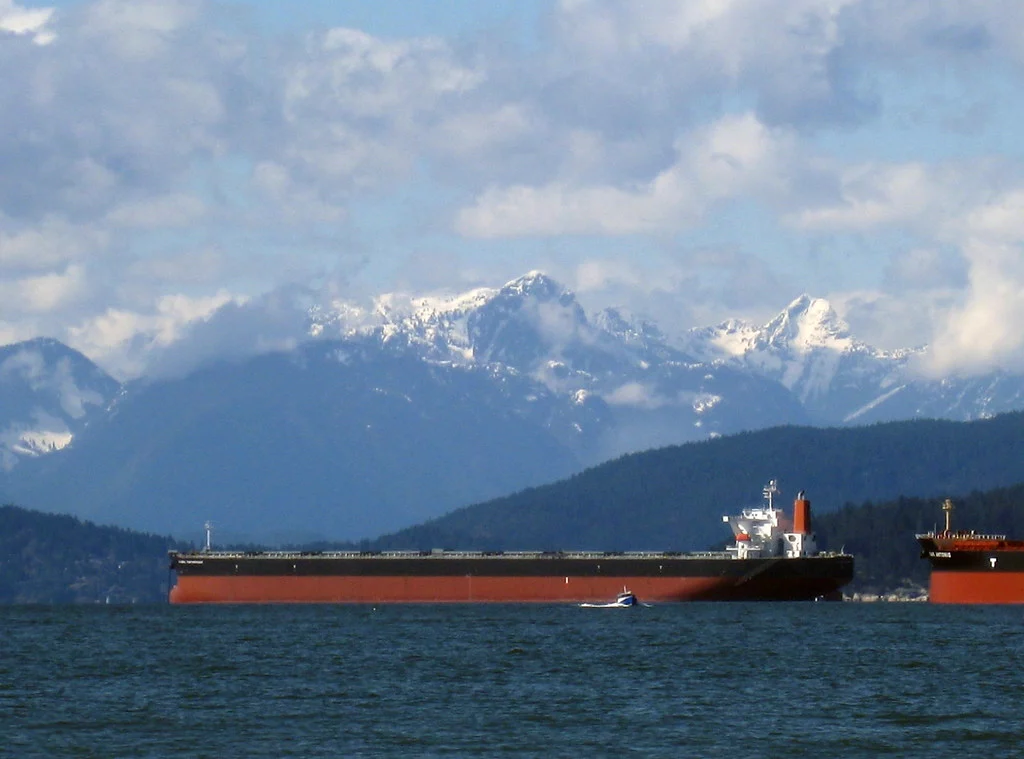
Oil prices after Houthi attacks rise for a simple reason: traders price the chance that a key route will be impaired before they know whether barrels are actually missing. In the reported episode, Brent Crude jumped about four per cent after militants linked to the Houthi movement captured Mocha in Yemen and moved to pressure another supply route. That is not a marginal story. It is a test of how much leverage a non-state force can exert over the shipping lanes that feed global petroleum markets.
The headline matters because oil is not priced like an isolated local commodity. It is priced through benchmarks, freight, insurance, and expectations. A threatened corridor can lift benchmark oil prices even when production is unchanged. That is why the right question is not whether one port city can move the market. The right question is how much damage a credible disruption can do to the system that moves crude, refined products, and tankers across oceans.
Why the market reacted immediately
Markets do not wait for a full outage. They react to the probability of an outage. In commodity trading, especially in Brent-linked contracts, a narrow choke point can be enough to trigger a risk premium. The price move is therefore not proof of an actual shortage. It is a valuation of uncertainty. That distinction is central to understanding why oil prices after Houthi attacks can rise faster than physical supply changes.
In practice, three forces usually drive the move. First, traders anticipate delays or rerouting. Second, shipowners price higher war-risk insurance. Third, algorithmic systems amplify the first headline before human traders can re-check the facts. The market may later reverse part of the spike if traffic continues normally, but the opening move often reflects the fear that a bottleneck is about to become real.
Key point: Oil markets punish credible bottlenecks faster than confirmed outages. A threatened chokepoint can add a risk premium long before a single barrel is physically lost.
The geography of leverage in the Red Sea
The real mechanism sits in geography, not rhetoric. The Red Sea is one of the most sensitive corridors in global maritime transport, and the narrow Bab-el-Mandeb strait connects it to the Gulf of Aden. That route sits on the path between Asia, Africa, and Europe. It is also intertwined with the Suez Canal system, which is why even a localized threat can echo through global freight markets.
Mocha is the headline; Bab-el-Mandeb is the mechanism
The capture of Mocha matters because it signals reach along the Yemeni coast, but the market focus is broader. The key issue is whether the Houthis can pressure traffic near the strait or intimidate vessels heading toward the corridor. A route threat does not need to be permanent to be expensive. If charterers believe traffic is less predictable, they demand higher rates, tankers slow down, and cargoes take longer to arrive. That is enough to tighten availability in the short run.
| Route or chokepoint | Why it matters | Likely market effect if threatened |
|---|---|---|
| Bab-el-Mandeb | Narrow gateway between the Red Sea and the Gulf of Aden | Higher insurance, rerouting, and freight costs |
| Suez Canal | Major shortcut between Asia and Europe | Longer voyages and greater tanker demand elsewhere |
| Strait of Hormuz | World-leading oil transit point near the Gulf | Sharp global price response because of scale |
| Mocha, Yemen | Symbolic and operational foothold on the coast | Signals whether disruption can spread beyond the local area |
Why rerouting changes costs even when cargo is not lost
The practical answer to why oil prices rise when Yemen port cities are seized is that ships, not just wells, determine availability. If tankers divert around the Cape of Good Hope, the oil still exists, but the journey becomes longer and more expensive. That takes vessels out of circulation, squeezes supply of shipping capacity, and pushes up the delivered cost of crude and refined products. In other words, the bottleneck is logistical before it is geological.
This is where the connection to supply chain fragility becomes obvious. Oil is a global good, but it moves through a physical network. A disturbed route can add costs at several points at once: fuel, insurance, charter rates, and inventory buffers. Those costs feed directly into the price of crude, and later into the price of diesel, jet fuel, and consumer transport.
Why oil prices after Houthi attacks are a risk premium, not a supply verdict
It is a mistake to read the first market reaction as proof of lasting scarcity. The immediate move is usually a risk premium. That premium is the market’s estimate of the chance that disruption may become more severe. If the threat fades, the premium often compresses quickly. If attacks continue or broaden, the premium can harden into a structural cost. That is the difference between a headline spike and a sustained rally.
Physical oil markets and paper markets do not behave the same way. Futures respond to expectations; terminals respond to tankers; refineries respond to deliveries. This gap is why traders watch not just whether oil prices move, but how they move across the forward curve. A one-day jump in the front month can reflect fear. A broader rise across months signals a deeper reassessment of supply risk. For context, the U.S. Energy Information Administration and the International Energy Agency are useful for tracking whether the problem is actual supply loss or only market sentiment.
There is also a behavioural effect. Traders know that bottlenecks attract media coverage, and media coverage attracts momentum buying. That feedback loop does not create a shortage on its own, but it can deepen the initial move. The result is that oil prices after Houthi attacks often overshoot the immediate physical damage, then correct once traffic data and naval responses become clearer.
The strategic layer: Yemen, the Houthi movement, and Iran
The security dimension is tied to the broader Yemeni civil war. The Houthis are not a conventional navy, yet they can still impose costs on global trade because the modern shipping system is vulnerable to asymmetric disruption. That is the core lesson here: a relatively limited force can disrupt a much larger economic system if it occupies the right geography.
Iran also sits inside the market narrative. Tehran is widely described as supporting the Houthis, and the Iran connection matters because it widens the perceived risk beyond Yemen itself. Whether every operational detail is proven is less important for price formation than whether traders believe the threat is coordinated, durable, and politically useful. Markets price plausible escalation, not courtroom certainty.
That is why this is also an energy security problem, not only a shipping problem. Governments worry about route concentration, spare capacity, and the ability of naval forces to keep sea lanes open. The Organization of the Petroleum Exporting Countries can influence supply policy, but it cannot directly solve a maritime security shock. That limits the policy response and gives the market more reason to reprice risk quickly.
What traders, refiners, and shipping firms should watch next
The next move depends on whether the threat stays episodic or becomes routine. To judge that, market participants should focus on concrete signals rather than speculation.
- Confirmed attacks on oil tankers or port infrastructure.
- Changes in naval escort policy or warnings from maritime authorities.
- Rerouting patterns that increase voyage time through the maritime transport network.
- Inventory drawdowns that show refiners are replacing delayed cargoes.
- Statements from the International Energy Agency, the EIA, and OPEC about spare capacity and demand balance.
For refiners, the issue is margin pressure. For shipping firms, the issue is whether the route can still be insured on tolerable terms. For consumers, the issue is downstream inflation. The West is exposed because it depends on long-distance energy flows that are efficient only while the sea lanes remain dependable. If the lane becomes uncertain, efficiency gives way to redundancy, and redundancy is expensive.
Practical implications for energy security and pricing
There are three hard lessons here. First, energy markets are now more sensitive to security shocks than many policy makers admit. Second, the biggest price move often comes from the first credible threat, not from the final confirmation of damage. Third, the cost of disruption is multiplied by the number of intermediaries between the wellhead and the consumer.
That means diversification is not a slogan. It is a structural hedge. Importers with better storage, more flexible supply contracts, and wider route options absorb shocks more easily. Those without them pay the market price at the worst possible moment. In that sense, the lesson of the latest spike is not only about Yemen. It is about how fragile a globally optimized oil system becomes when it relies on a few narrow corridors.
Readers who want to monitor the situation should track three things in parallel: route security, tanker behaviour, and benchmark spreads. A strong front-month move with stable later months usually means panic. A broad upward shift across the curve usually means the market believes disruption is becoming structural. That is the distinction that matters.
FAQ: oil prices, Houthi attacks, and Red Sea risk
How do Houthi attacks affect oil prices?
They raise the risk premium. Even if no barrels are lost immediately, traders expect higher insurance, longer routes, and possible delays, which can lift Brent and related benchmarks.
Does a port seizure automatically mean a supply shortage?
No. A seizure can be symbolically important without cutting exports. The market reacts to the chance of broader disruption, not only to confirmed shortages.
Why does the Red Sea matter so much for oil markets?
Because it connects to the Bab-el-Mandeb and the Suez Canal, two routes that shape how efficiently oil and refined products move between regions.
Will the price spike last?
Only if the threat stays credible. If traffic adapts and no wider disruption follows, the market can remove part of the premium quickly. Persistent attacks, by contrast, can turn a short-term shock into a structural cost.
The real test is whether the threat stays credible
The important insight is that oil prices after Houthi attacks do not move because traders suddenly discover fewer barrels. They move because a narrow corridor makes the entire logistics chain less trustworthy. That is a security problem first and a supply problem second. The market is pricing reliability, and reliability is what geopolitics can destroy without touching production wells.
What to watch next is simple: whether shipping continues normally, whether insurers keep widening war-risk terms, and whether attacks remain isolated or become routine. If the Red Sea remains navigable, the price spike may fade into a temporary premium. If not, the market will stop treating the event as a headline and start treating it as a new cost of doing business. The unanswered question is not whether a port seizure can move oil prices. It can. The question is whether the world’s energy system can keep pretending that chokepoints are only a tactical problem.
Frequently Asked Questions
Why can oil prices rise even if no barrels are actually taken off the market?
Because traders price the risk of disruption before a shortage happens. When a chokepoint looks vulnerable, futures and benchmark prices can include a risk premium for possible delays, rerouting, and higher insurance. The market is reacting to uncertainty about supply chains, not only to confirmed lost production.
Why is Mocha important if the real bottleneck is Bab-el-Mandeb?
Mocha is important because it signals control or pressure along Yemen’s coast, which can affect traffic near the Bab-el-Mandeb strait. The port itself is not the main global gateway, but it can indicate whether a group has the reach to threaten the narrow corridor that connects the Red Sea to the Gulf of Aden.
If tankers can reroute, why does the market still treat the threat seriously?
Rerouting preserves the cargo, but it raises costs and slows delivery. Longer voyages require more fuel, more ships in transit, and higher freight rates. That temporarily reduces effective supply and makes oil harder and more expensive to move, which is enough to push benchmark prices higher.
Do these attacks affect only crude oil, or can refined products be hit too?
They can affect both. Refined products such as diesel, gasoline, and fuel oil also move through the same maritime networks, and their shipping costs rise when insurance and freight rates jump. Even if upstream production is unchanged, disruptions to transport can tighten availability across the broader petroleum market.
Why does Brent react so quickly to events in Yemen compared with local oil markets?
Brent is a global benchmark tied to seaborne trade and expectations about international shipping. Because it reflects the cost of moving oil across major routes, any threat to a strategic corridor can be priced in immediately. Local physical supply matters, but benchmark prices also respond to the reliability of the transport system.