
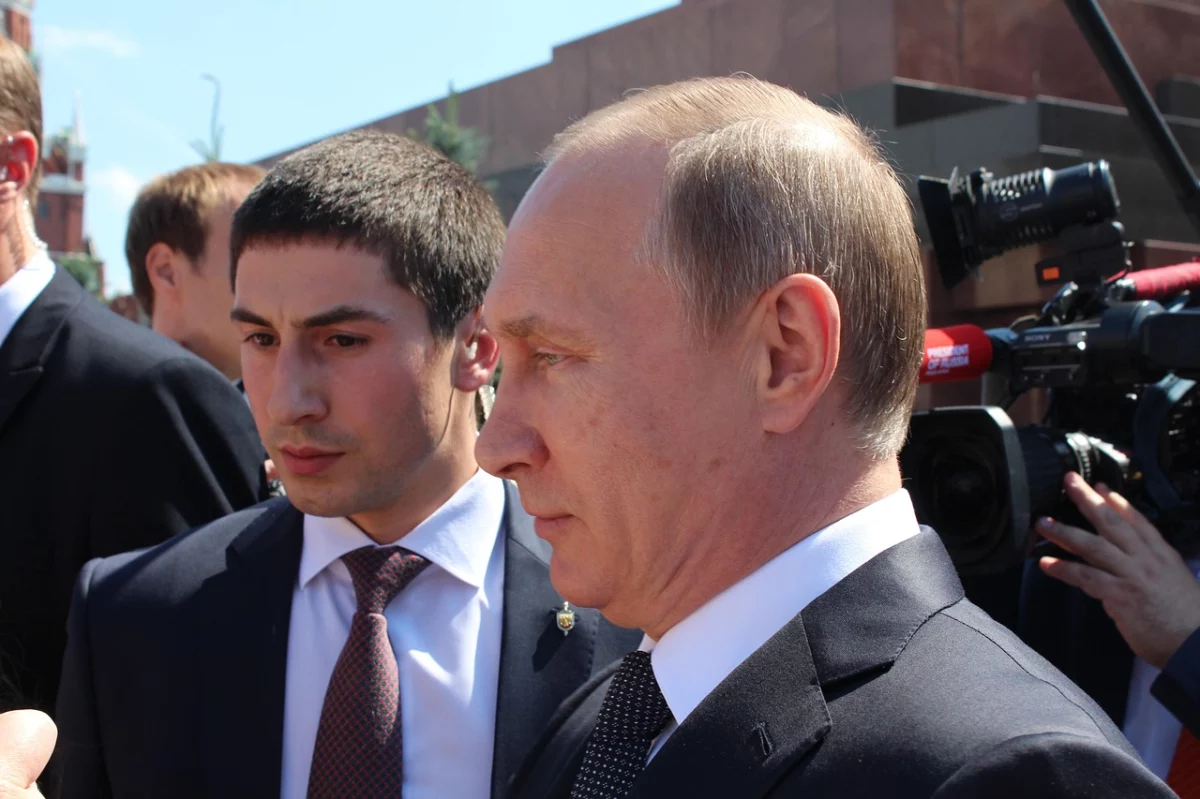
In this guide to Ukraine peace talks 2026, you’ll learn what Putin’s Kremlin meeting with American envoys Steve Witkoff and Jared Kushner likely signals, which negotiation
Frequently Asked Questions
Why did Putin meet American envoys Steve Witkoff and Jared Kushner in Moscow, and what does it suggest about 2026 talks?
A meeting with high-profile U.S. envoys usually signals that Moscow is testing diplomacy channels and assessing whether Washington is ready to support a structured negotiating track. In the context of Ukraine peace talks in 2026, it may indicate that both sides are exploring frameworks—such as sequencing, leverage, and acceptable interim steps—before committing to any comprehensive agreement.
Do Witkoff and Kushner’s roles mean the U.S. is directly negotiating Ukraine peace terms?
Not necessarily. Envoys can be tasked with information gathering, mapping red lines, or coordinating incentives rather than drafting terms on the spot. Their presence may reflect U.S. interest in shaping the conditions for talks, aligning allies, and defining what Washington can realistically offer—political support, sanctions adjustments, or security assurances.
What could be the first practical outcome of these meetings if negotiations begin in 2026?
The earliest credible outcomes are often procedural: agreeing on a contact group, establishing ceasefire verification mechanisms, or setting a timetable for working groups on territory, humanitarian corridors, and prisoner exchanges. Even if grand terms are deferred, these steps can reduce miscommunication and create a foundation for later bargaining.
What negotiation issues are likely to be central to any Ukraine peace talks in 2026?
Most proposals eventually converge on a few hard topics: territorial status and withdrawal lines, security guarantees for Ukraine, the fate of occupied areas, enforcement or monitoring of any ceasefire, and the sequencing of sanctions relief and reconstruction support. The sticking point is usually how to pair concessions with guarantees that each side can trust.
How realistic is a durable peace deal in 2026 given current distrust and battlefield dynamics?
A durable deal is difficult because peace requires compliance mechanisms and credible incentives. Even if talks progress, setbacks can occur if one side believes the other will backtrack or if enforcement is unclear. That’s why many expectations should focus on partial agreements first—ceasefire arrangements, swaps, and verification—before discussing long-term political settlements.
Could U.S.-Russia engagement lead to changes in sanctions or economic pressure tied to talks?
It’s possible, but any sanctions adjustment would likely be conditional and staged. Governments often link economic measures to verifiable steps—such as prisoner exchanges, humanitarian access, or confirmed ceasefire monitoring. If 2026 negotiations move forward, readers should watch for signals that financial pressure is being used as leverage rather than removed upfront without guarantees.