
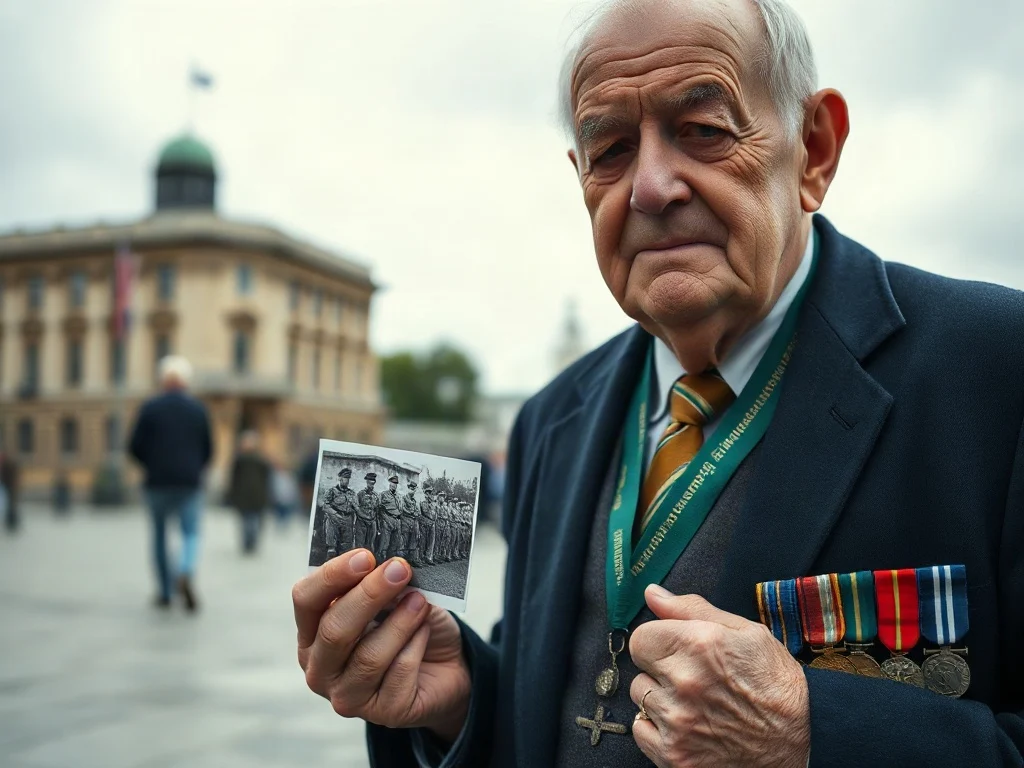
The government has promised nuclear test veterans the “full truth” about what happened to them. Prime Minister Andy Burnham has confirmed that a Hillsborough-style independent panel will examine the health legacy of Britain’s Cold War-era atomic programme. For servicemen who watched weapons detonate in the Pacific and the Australian outback, and for families who have spent decades asking whether radiation shortened their relatives’ lives, the announcement could be a turning point. This article explains what has been confirmed, why the Hillsborough comparison matters, and what the panel will have to do to succeed.
What the Government Has Announced
According to the report, Andy Burnham, speaking as prime minister, said veterans will receive the full truth about the health consequences of the tests. He also confirmed an independent panel modelled on the one that examined the Hillsborough disaster. The brief report does not say who will chair the panel, what powers it will have, how long it will sit or when it will report. Those details will largely determine whether it delivers the answers veterans want, so they are worth watching closely.
Britain’s Atomic Tests: The Background
Britain carried out its first atomic test in 1952 under Operation Hurricane off the Montebello Islands in Western Australia. Further trials followed at Emu Field and Maralinga in South Australia. The Operation Grapple hydrogen bomb trials were held in the Pacific around Christmas Island in 1957–58. These tests were part of the wider Cold War arms race and the development of Britain’s independent deterrent.
Veterans’ groups commonly cite a figure of roughly 22,000 personnel involved, including many conscripted under national service. Many were young and received little explanation of the risks from nuclear fallout or ionizing radiation. Some have said they were told to turn their backs or cover their eyes, and little else. Exact exposure records, where they exist, are often incomplete.
Why a Hillsborough-Style Panel Matters
The model being borrowed
The Hillsborough Independent Panel reviewed documents relating to the 1989 Hillsborough disaster and published its report in 2012. Its central achievement was to open official records to public scrutiny and to establish a documented account that families could rely on. Burnham was involved in the political push that led to the panel while serving in government, which helps explain why he has chosen this template.
Strengths and limits of the approach
A document-led panel can be quicker and less adversarial than a statutory public inquiry. It can also put families at the centre of the process. The trade-off is that panels generally cannot compel witnesses unless they are given specific powers. Their findings also rely heavily on what the Ministry of Defence and other bodies actually release. Recent campaigns around the Infected Blood Inquiry and the Grenfell Tower fire show how strongly the public now links truth-telling with a legal duty of candour.
The Health Legacy: Where the Evidence Is Contested
The scientific picture is disputed. Government-commissioned epidemiological studies have historically found limited evidence of widespread excess illness among test participants compared with other veterans. Veterans’ associations and some independent researchers dispute that conclusion. They point to small cohorts, incomplete dosimetry and difficulties tracing participants over many decades. Research on New Zealand Grapple veterans, led by Al Rowland at Massey University, reported chromosomal changes in participants, but scientists continue to debate how such findings should be interpreted. The panel will need to separate what is established from what remains uncertain, and to say so plainly.
What Veterans and Families Should Watch
- Terms of reference: whether health outcomes, record-keeping and informed consent are all explicitly in scope.
- Document access: whether the MoD, the Atomic Weapons Establishment and archives commit to full disclosure.
- Family participation: whether descendants, who have raised concerns about possible intergenerational effects, can give evidence.
- Remedies: whether findings could lead to recognition, compensation or improved healthcare, rather than a report alone.
Anyone who served and has questions about their own records can begin with official guidance on GOV.UK. Veterans’ charities can also help families gather service documents.
FAQ
Who are Britain’s nuclear test veterans?
They are servicemen, and in some cases civilians, who took part in or were present at British atomic and hydrogen bomb tests in Australia and the Pacific during the 1950s.
What will the independent panel investigate?
It will examine the health legacy of the atomic programme. The scope, powers and timetable have not been detailed in the report this article draws on.
Why is it called Hillsborough-style?
It follows the model of the Hillsborough Independent Panel, which reviewed official records and gave families a documented account of events.
The Real Test Is Time and Access
The most important fact about this process is that the veterans are running out of time. Those who stood on Christmas Island or at Maralinga are now very elderly, and many have died without answers. A panel that takes years to define its remit risks delivering truth to families rather than to the men who lived it. The key questions are whether the government grants full document access, whether early findings are published, and whether remedies follow the report. If Burnham’s pledge produces that combination, it could set a new standard for how Britain confronts the hidden costs of Cold War decisions. If it produces only a long review, the phrase “full truth” will be judged harshly.
Frequently Asked Questions
How is a Hillsborough-style panel different from a full public inquiry?
A Hillsborough-style panel focuses on reviewing and publishing official documents, which can make it quicker and less adversarial than a statutory public inquiry. It usually places families at the centre. However, it generally cannot compel witnesses to testify unless it is given specific legal powers.
Why can't the panel simply settle whether the tests made veterans ill?
The science is contested. Government-commissioned studies found limited evidence of widespread excess illness, while veterans' groups cite small cohorts, incomplete dosimetry and the difficulty of tracing participants over decades. The panel will have to separate established findings from uncertainty and explain the difference plainly.
What details about the panel are still unknown?
The brief report does not say who will chair the panel, what powers it will hold, how long it will sit or when it will report. These points will largely decide whether it delivers real answers, so veterans and families are watching them closely.
Why is Andy Burnham linked to the Hillsborough model?
Burnham was involved in the political push that led to the Hillsborough Independent Panel while he served in government. That panel published its report in 2012 and opened official records to public scrutiny, which helps explain why he has chosen it as the template for this review.
Why are exposure records a problem for veterans seeking answers?
Exact exposure records, where they exist, are often incomplete. Many personnel were young, received little explanation of the risks and were told only to turn their backs or cover their eyes. Without reliable dose data, linking illness to the tests is hard, so document access is vital.
Which tests and how many people could the review cover?
The legacy covers Britain's atomic programme from Operation Hurricane in 1952 to trials at Emu Field and Maralinga, plus the Grapple hydrogen bomb tests around Christmas Island in 1957–58. Veterans' groups commonly cite roughly 22,000 personnel, including many national servicemen.