
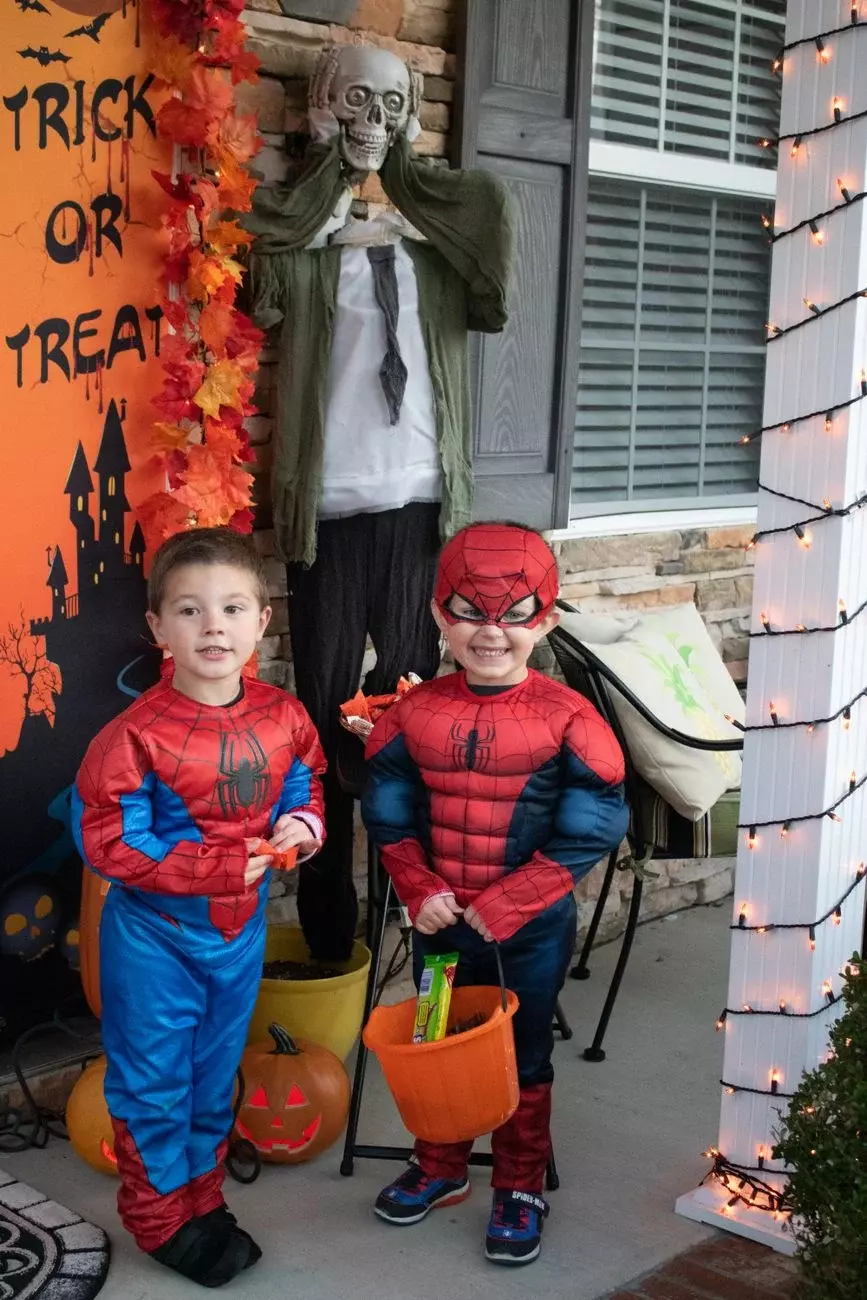
A trick-or-treat birthday can turn any season into an unforgettable experience—and the story of one 11-year-old boy getting treats in July shows exactly how community momentum can create real magic. In this article, you’ll learn how a neighborhood scaled a kind idea fast, what practical safety and planning steps make
Frequently Asked Questions
How can a trick-or-treat birthday work in July without losing the fun theme?
The key is keeping the spirit of Halloween while adjusting the logistics for warm weather. Neighbors can use the same costumes, door-to-door “stop” signs, and a treat list—just schedule it earlier in the day or in the evening to avoid heat. Simple details like themed cards, a “trick-or-treat” schedule, and consistent decorations help make it feel like a true holiday experience.
What practical safety steps should a neighborhood use for a kid-led trick-or-treat birthday?
A neighborhood should plan routes and meeting points, confirm adult supervision, and share a clear start/end time. It helps to set boundaries (“only houses on this street,” “no leaving the group”) and keep treats individually packaged when possible. Remind families to check allergies, avoid driveways and traffic-heavy areas, and have a contact person who can guide or reroute if needed.
How did the community “scale” the idea so it didn’t stay only with one person?
The story highlights how quick coordination can turn a single suggestion into collective momentum. Organizers can spread the plan through group chats, neighborhood newsletters, or quick sign-up sheets for specific tasks—treat donations, decoration setup, route guides, or check-in volunteers. When roles are clear and updates are frequent, more households join naturally.
Do neighbors need a lot of supplies, or can they keep costs low?
Many trick-or-treat birthday moments work with lightweight, budget-friendly contributions. Households can donate small, individually wrapped items, offer a “choose-one” treat station, or contribute decorations and signage instead of large amounts of candy. Planning a treat count based on the group size prevents waste. Even homemade cards or a simple “Happy Birthday” door sign can add big value.
How can organizers handle allergies and special dietary needs during a trick-or-treat event?
Start by gathering the child’s and any participants’ allergy information in advance. Encourage neighbors to label treats, offer nut-free or other safer options, and avoid open items. A simple approach is to have a “check before taking” table where the birthday child can choose from pre-approved, labeled treats. This keeps the experience inclusive without slowing the line too much.
What planning steps make the day feel smooth and memorable for an 11-year-old?
Give the birthday boy a clear, exciting plan: a short “grand entrance,” a set route, and a predictable moment to collect and sort treats. Assign a small number of adults as point people for the route, check-ins, and any urgent needs. Add a small ceremony element—like a group photo, a thank-you announcement, or a final treat-count moment—to turn the day into a lasting story.