
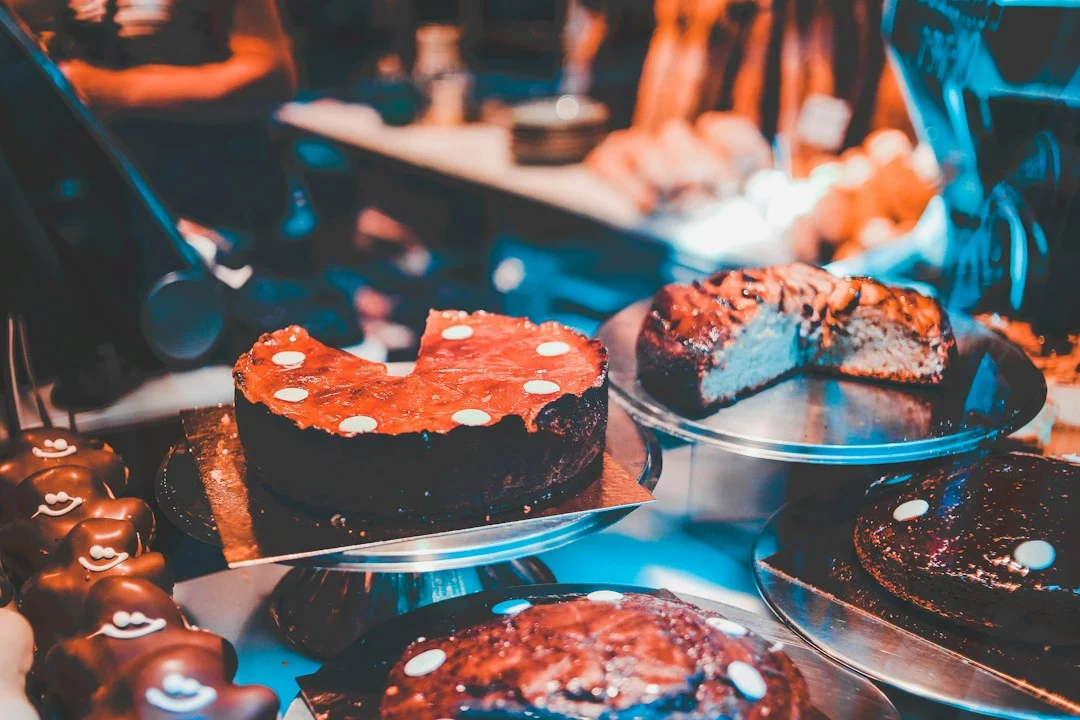
The Morrisons free cake offer ending today is easy to dismiss as a minor giveaway, but that would miss the point. In a competitive supermarket market, even a small slice of cake can function as a precise sales promotion. The offer is not just about dessert; it is about attention, footfall, and shaping consumer behaviour in the United Kingdom.
That matters because a parent shopping for baby goods is one of the most valuable customer types in modern retail. They are routine shoppers, high-frequency shoppers, and usually price-sensitive. A short-lived freebie inside a Morrisons event therefore does more than reward existing customers. It tries to build habit, strengthen brand loyalty, and make the store feel like the obvious place to return to next week.
What the promotion is really signalling
At face value, a free piece of cake looks like a simple gesture. In practice, it is a low-cost signal that the retailer wants to be seen as generous, family-friendly, and worth visiting during a narrow window. That is the logic of promotion (marketing): create a visible incentive, make it time-limited, and let scarcity do part of the work.
The mechanism is familiar to anyone who studies consumerism. People rarely evaluate a small freebie in isolation. They fold it into a broader impression of the store, the prices, the layout, and the ease of doing the weekly shop. In other words, the cake is not the product. The store experience is the product.
A free slice of cake is rarely about cake alone; it is about making the store feel like a sensible destination.
That is why the wording of the offer matters. A free cake giveaway aimed at parents is not merely a sweetener. It is a form of loyalty program thinking without necessarily being a points scheme. It encourages the shopper to associate the store with a small reward, which can matter as much as, or more than, a price cut on one item.
Why parents are the intended audience
The target audience is not accidental. Parents of young children operate under time pressure, sleep pressure, and budget pressure at the same time. That makes them unusually responsive to small convenience signals. A baby event or family-focused giveaway taps into the practical side of shopping: if one store feels more accommodating than another, the decision can tilt quickly.
The wider context is the pressure on household budgets. The cost of living crisis has made households more alert to small savings and more sceptical of vague
Frequently Asked Questions
Why would a supermarket use a free cake offer instead of a bigger discount?
A small freebie can be cheaper for the retailer while still creating a strong psychological effect. It draws attention, increases footfall, and can make the store feel generous and family-friendly. The aim is often not the cake itself, but encouraging shoppers to visit, browse, and come back again.
Is the offer really aimed at parents, or is that just marketing language?
The article suggests parents are the intended audience because they are frequent, budget-conscious shoppers who respond well to small convenience signals. A family-focused giveaway makes the store feel more relevant to their routine shopping needs, especially when time and money are both under pressure.
Does a free cake promotion actually influence shopping habits?
Yes, at least in a subtle way. The article explains that people tend to remember the overall store experience, not just the free item. A time-limited reward can build positive associations, making the supermarket feel like an easier or more rewarding place to shop next time.
Why does the fact that the offer ends today matter so much?
The short time window creates urgency. Scarcity can make a promotion feel more valuable and push shoppers to act quickly rather than delay. That urgency is part of the marketing strategy: it turns a small giveaway into a reason to visit now instead of later.
Should shoppers see this as a genuine saving or just a branding exercise?
It is both, but the article argues that the branding element is more important. The free cake is a visible, low-cost gesture that helps the retailer look generous and family-oriented. For the shopper, it is a small saving; for the supermarket, it is a way to build loyalty and habit.