
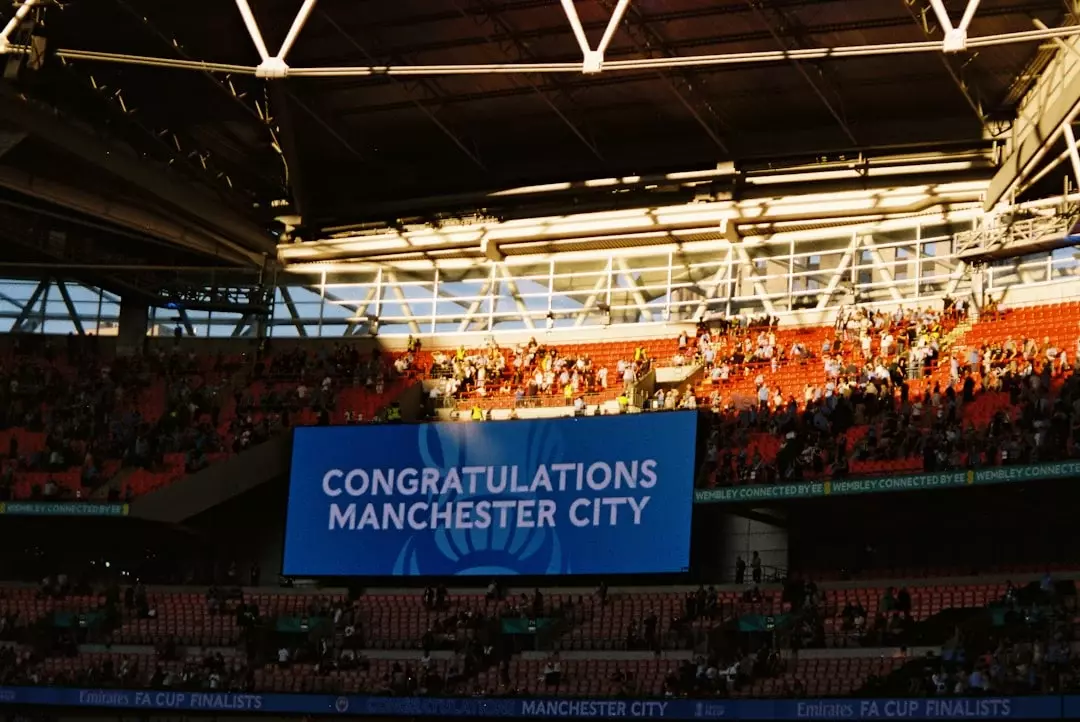
Man City sign Enzo Fernandez for £125m to end the summer transfer saga, but the headline fee is only the starting point. The real question is whether Manchester City can turn a record-level price into a measurable competitive advantage—on the pitch, in the dressing room, and within the brutal logic of elite football where every minutes’ trade-off has a cost.
Man City sign Enzo Fernandez for £125m: the tactical and financial reality check
This article offers an analytical, critic-minded breakdown of the move: what Manchester City are likely buying tactically, what they risk structurally, and what supporters should track once Enzo Fernandez begins absorbing Pep Guardiola’s demands. It also considers why deals like this rarely succeed on hype alone, even when the talent is real.
Why Man City sign Enzo Fernandez for £125m—and why this matters now
A transfer fee of £125m signals intent, not just reinforcement. For a club operating at the level of Manchester City, spending this kind of money is an attempt to protect margins: injuries happen, form dips, opponents adapt, and tournaments compress time. In that environment, squad depth becomes strategy.
But intent can be misread. High-value acquisitions are sometimes treated as instant solutions, when in reality they are long-term bets with immediate integration friction. Manchester City’s staff will know this; what fans should evaluate is whether the purchase improves the team’s repeatable outputs—chance creation, ball progression under pressure, and defensive efficiency—rather than simply adding a new face.
The deal as
Frequently Asked Questions
Why does a £125m fee matter for Manchester City beyond the headline?
Because for a club like Manchester City, the fee signals an intent to protect performance stability, not only to add talent. Elite seasons compress time, injuries and form dips happen, and opponents adapt quickly. Spending at this level is partly about building squad depth as a strategic buffer, helping maintain repeatable outputs across competitions.
What tactically are City likely buying with Enzo Fernandez in Pep Guardiola’s system?
City are probably buying a specific functional profile: ball progression under pressure, better chance creation patterns, and improved ability to control how the team builds and defends between lines. The key isn’t “new star energy”, but whether his skills translate into measurable outputs Guardiola can repeat—particularly when opponents force risk and compress space.
What structural risks come with signing a record-level player like this?
The main risk is misinterpretation: treating a major fee as an instant fix. High-value players still require integration time, and tactical demands create friction in the first weeks. There’s also a structural risk of disrupting balance—minutes allocation, roles, and pressing/positional habits—if the team chases the player instead of fitting the player into repeatable patterns.
How can supporters evaluate whether the transfer is a competitive advantage, not just hype?
Track repeatable metrics once he starts absorbing Guardiola’s demands: chance creation quality, progression effectiveness under pressure (especially against compact defensive shapes), and defensive efficiency in moments that swing games. Also watch whether team outputs stay consistent when the squad rotates, since City’s “depth as strategy” claim needs evidence.
Why don’t big-name signings always deliver immediate results even when the talent is real?
Because elite football punishes time and trade-offs. New signings must learn roles, trigger timings, and decision thresholds that are specific to the manager’s system. Even a gifted player can lose impact if integration friction delays his timing in build-up or pressing. The article’s point is that success rarely comes from hype alone; it comes from measurable fit.
What “minute-by-minute cost” should fans think about after Enzo arrives?
Guarding minutes isn’t just a scheduling issue; it affects tactical rhythm and development pathways. If Enzo’s introduction shifts how others perform in key phases, City may pay an early price in cohesion. The best sign is that the team can rotate without losing their chance-creation and defensive efficiency baselines, rather than requiring perfect conditions to look effective.