
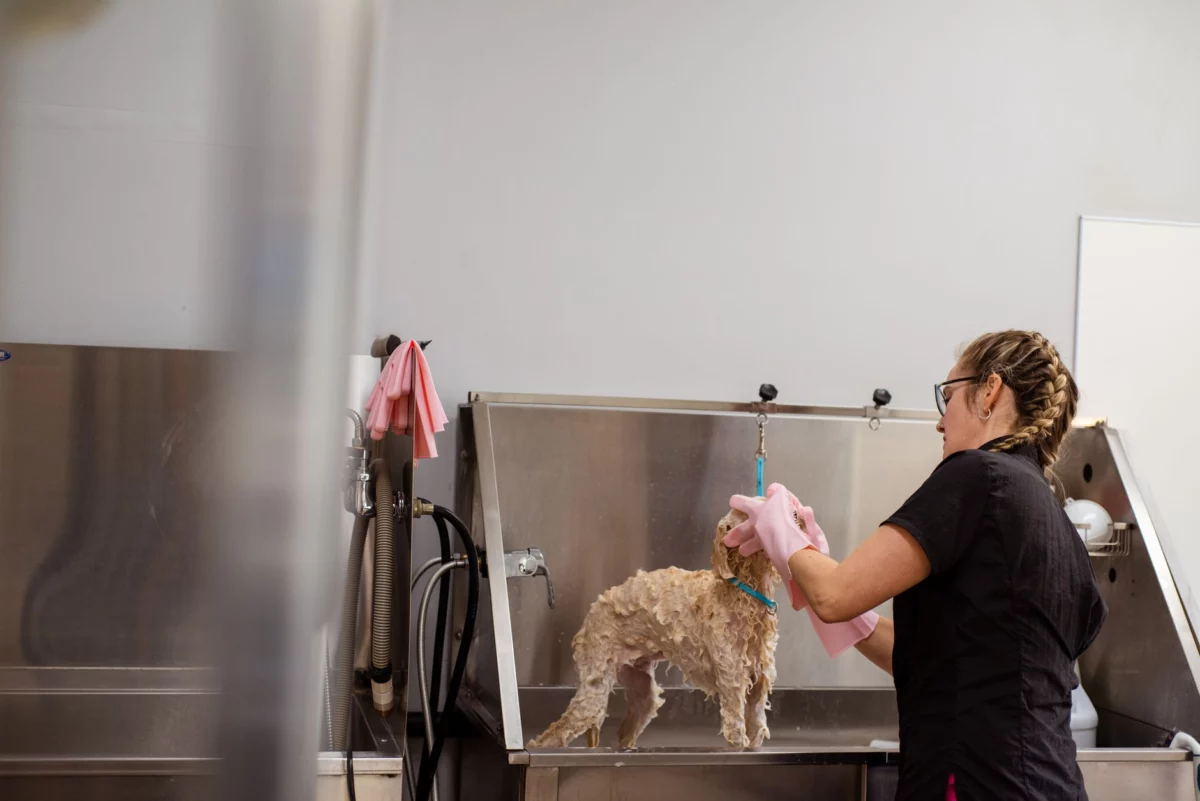
Rituals’ Dog Spa launch is easy to frame as a novelty, yet luxury dog grooming products sit squarely inside a larger shift in how people spend on their domesticated dog. A £40 alcohol-free fragrance, a £17 dry shampoo, paw treatments, shampoos and accessories are not just grooming items; they are a bet that affection, presentation and premium pricing can coexist. The fact that some items were reportedly sold out matters, but only as a signal: the market for pet pampering is not merely real, it is becoming more brand-conscious.
This is part of the broader logic of anthropomorphism in the modern pet market. Owners do not simply feed and walk dogs; they curate them. That creates a commercial opening for brands that can translate the rituals of cosmetics, perfume and shampoo into pet-safe language without sounding absurd.
It also shows how brand extensions work in retail and e-commerce. A company built on ambience, scent and packaging can move into dog care more easily than a hardware retailer could, because the overlap with wellness is already part of its identity. The question is not whether the product is fashionable; it is whether the claims are functional enough to survive contact with animal welfare expectations.
Why the launch matters beyond novelty
The launch matters because it borrows the emotional architecture of luxury goods and applies it to a category that is still sold, in most cases, as routine care. Luxury pet products work when they make a small but visible improvement and when they reassure the buyer that the purchase is thoughtful rather than indulgent. In consumer behaviour terms, the value is partly instrumental and partly symbolic. Owners are not buying a wash; they are buying a version of care that feels elevated, visible and giftable.
The real product is not perfume or shampoo. It is the feeling that a dog can be cared for with the same aesthetic discipline used for human self-care.
That is why this launch is more than a quirky experiment. It taps into the same logic that drives people to pay for design, prestige and presentation even when the core function is ordinary. In the logic of consumerism, a product does not have to be strictly necessary to be successful; it has to be legible, desirable and shareable. The Dog Spa range appears to understand that better than many pet brands do.
The economics of turning affection into a premium purchase
The economics are straightforward. A premium dog range can lift average order value, create gift bundles and attract buyers who might not purchase a single utilitarian item. The £80 wellness pack is especially revealing because bundling converts separate products into a narrative. The customer is no longer buying a brush, a balm and a shampoo; they are buying a complete routine. That matters in wellness markets, where completeness often sells better than necessity.
The price points also mirror how premium brands protect margin. A £40 fragrance sounds high if you compare it to an everyday supermarket wash, but it is not irrational in the context of positioning, packaging, and the emotional premium that buyers accept for their pets. With dogs, owners often spend in a way they would never justify for themselves because the purchase is framed as care. A branded dog product can therefore behave like a luxury accessory, a grooming tool and a gift item at the same time.
That said, the presence of premium pricing does not prove premium value. The test is whether the formula, finish and usability justify the uplift. If the range succeeds only because it looks polished on a shelf, it will have short-lived novelty. If it solves a real grooming problem with better packaging, safer ingredients and clearer instructions, it becomes commercially durable.
Why the price point works
The price works because it relies on three overlapping triggers: status, convenience and reassurance. First, luxury pricing signals quality, even when the buyer cannot inspect the formula in detail. Second, bundles reduce decision fatigue; a ready-made set is easier to buy than a list of separate items. Third, pet owners often want products that feel as careful as the products they use on themselves. That is why a scent-driven brand can succeed in pet care where a purely functional brand may struggle.
The reported sell-outs are useful, but they should be read cautiously. Sell-outs can reflect genuine demand, limited initial stock, or a launch strategy designed to create urgency. They are evidence of attention, not proof of long-term category demand. In commercial terms, attention is the first hurdle; repeat purchase is the real one.
When a dog spa range is useful and when it is theatre
There is a real difference between grooming that supports hygiene and grooming that exists mainly for aesthetic theatre. A sensible product line starts with functional basics: cleaning the coat, managing odor, protecting paws and making brushing easier. A questionable line starts with the assumption that dogs need fragrance in the same way humans do. They do not. The nose of a dog is not a vanity; it is a biological instrument. That is why the relationship between grooming and animal welfare matters more than presentation.
Alcohol-free fragrance is a sensible starting point because alcohol can be harsh in products designed for sensitive skin, but the bigger issue is still necessity. A scent that reads as soft and clean to humans may be unnecessary or unpleasant for a dog. The same is true of decorative accessories: useful when they improve handling or drying, frivolous when they only signal ownership style. In this category, the brand must prove restraint as much as ambition.
| Product type | Likely value | Main caution |
|---|---|---|
| Alcohol-free perfume | Light scent between washes | Dogs do not need fragrance; avoid irritation |
| Dry shampoo | Quick refreshes and odor control | Not a substitute for proper bathing |
| Paw treatment | Can support dryness or weather exposure | Ingredients matter more than packaging |
This table is the practical filter buyers should use. The more a product behaves like a shortcut for good grooming, the more defensible it is. The more it behaves like a scented luxury add-on, the more carefully it should be evaluated.
What to check before buying
- Read the ingredient list, not just the claims on the front of the pack.
- Look for clear guidance on coat type, skin sensitivity and frequency of use.
- Prefer products with straightforward instructions rather than vague spa language.
- Check whether the product is framed as optional grooming or as routine necessity.
- Compare the price per use, not just the headline price.
- Ask a vet if your dog has skin issues, allergies or scent sensitivity.
These checks are basic, but they are what separates informed pet care from aspirational shopping. A premium product should make the decision easier, not hide the important details behind branding.
What this says about the wider pet-care market
The launch fits a wider pattern in which pet products are increasingly sold through the visual and emotional vocabulary of human self-care. The overlap between cosmetics and pet care is not accidental. Brands know that buyers understand rituals: cleanse, condition, treat, refresh. Once those actions are packaged as a routine, the market shifts from necessity toward aspiration. That is why premium pet care products keep multiplying across retail channels and e-commerce platforms.
There is also a media logic at work. Dog products photograph well. A neutral palette, elegant bottle, soft towel and well-groomed coat are instantly legible on social feeds. In other words, the product is not just sold through utility; it is sold through its ability to look coherent in a lifestyle frame. That is classic branding, and it rewards companies that already understand how to stage atmosphere.
But the same logic creates risk. If every brand chases the same premium pet aesthetic, differentiation becomes thin. At that point the market splits into two camps: products that are merely decorative, and products that justify themselves through formulation, usability and trust. The second camp is the one with staying power.
FAQ
Is perfume safe for dogs?
Not all perfume is appropriate for dogs. Dog-specific products should be formulated with canine sensitivity in mind, and even then they should be used sparingly. If a product contains unnecessary irritants or if your dog dislikes scent, it is better to skip fragrance entirely.
Do dogs really need dry shampoo?
Sometimes, but only as a convenience product between proper washes. Dry shampoo can help with odor or freshness after muddy walks, yet it should not replace regular bathing, brushing or coat care.
Are luxury dog grooming products worth the price?
They can be, if they genuinely improve grooming, are well formulated and fit your dog’s needs. If the value comes mostly from packaging or brand image, the product may be attractive but not especially useful.
The line between pampering and proof
The most important insight in this launch is that the pet category is no longer judged only by utility. It is now judged by how convincingly a brand can merge care, identity and trust. That is a strong commercial opening, but it raises the standard as well. A luxury dog range cannot rely on novelty forever; it must prove that the promise of elevated care is real, safe and repeatable.
What to watch next is whether the category moves from scent-led novelty into ingredient-led credibility. If buyers continue to reward packaging over performance, more brands will follow the same path and the market will become crowded with decorative pet products. If, instead, dog owners start demanding the same kind of clarity they expect from human skincare, the winners will be the brands that treat dogs not as fashion props, but as animals with specific physical needs. That is the real test for the next wave of premium pet care products.
SEO DATA: Primary Focus Keyphrase: luxury dog grooming products | Related Keyphrase 2: dog spa range | Related Keyphrase 3: luxury dog perfume | Related Keyphrase 4: why are luxury dog products so popular? | Related Keyphrase 5: premium pet care products | Primary Keyphrase Synonyms: premium dog grooming products, high-end pet care, luxury pet grooming, designer dog products, indulgent dog care | SEO Title: Luxury Dog Grooming Products: What Rituals’ Dog Spa Range Really Means | Meta Description: Luxury dog grooming products are selling fast. See what Rituals’ Dog Spa range reveals about premium pet care, pricing and product risk. | URL Slug: luxury-dog-grooming-products | Image Filename: luxury-dog-grooming-products-dog-spa-routines.jpg | Image ALT Text: Pampered dog with grooming products on a stylish vanity | Image Title: Luxury dog spa products arranged beside a groomed dog | Image Caption: Luxury pet care now sits at the intersection of branding, grooming, and impulse buying. | Search Intent: Mixed informational and commercial investigation
Frequently Asked Questions
Why would owners pay luxury prices for dog grooming products when basic pet care is cheaper?
Because the purchase is rarely just about function. Premium grooming products combine practical care with status, convenience and the feeling of doing something thoughtful for a dog. Owners often treat pets as part of their lifestyle, so a higher price can feel justified if the product looks elegant, seems safer, and turns routine care into a more polished ritual.
Does the success of a dog spa range mean the products are actually better than standard pet grooming items?
Not automatically. A high price can reflect branding, packaging and emotional appeal as much as product performance. The real test is whether the formula works well, is safe for animals, and solves a clear grooming need. If it only looks luxurious, it may sell on novelty; if it performs better, it can earn lasting trust.
Why is anthropomorphism important in the pet market?
Anthropomorphism matters because many owners now project human self-care habits onto their pets. They do not just want dogs to be clean; they want them to be pampered, styled and treated as extensions of the household’s aesthetic. That shift creates demand for products that feel more like beauty or wellness items than traditional pet supplies.
How can a brand like Rituals expand into dog care more easily than a typical pet retailer?
Because the brand already sells an idea, not just a product. Rituals is associated with scent, ambience, self-care and presentation, which transfers naturally to premium dog grooming. A hardware or utility-focused retailer would need to build that emotional connection from scratch, while Rituals can extend its identity into pet care with less friction.
What makes a premium dog grooming bundle more appealing than buying individual items?
Bundles work because they create a complete story rather than a list of separate purchases. Instead of choosing a shampoo, balm or brush one by one, the buyer feels they are buying a full routine. That makes the purchase easier, more giftable and more aligned with wellness marketing, where completeness often matters as much as necessity.