
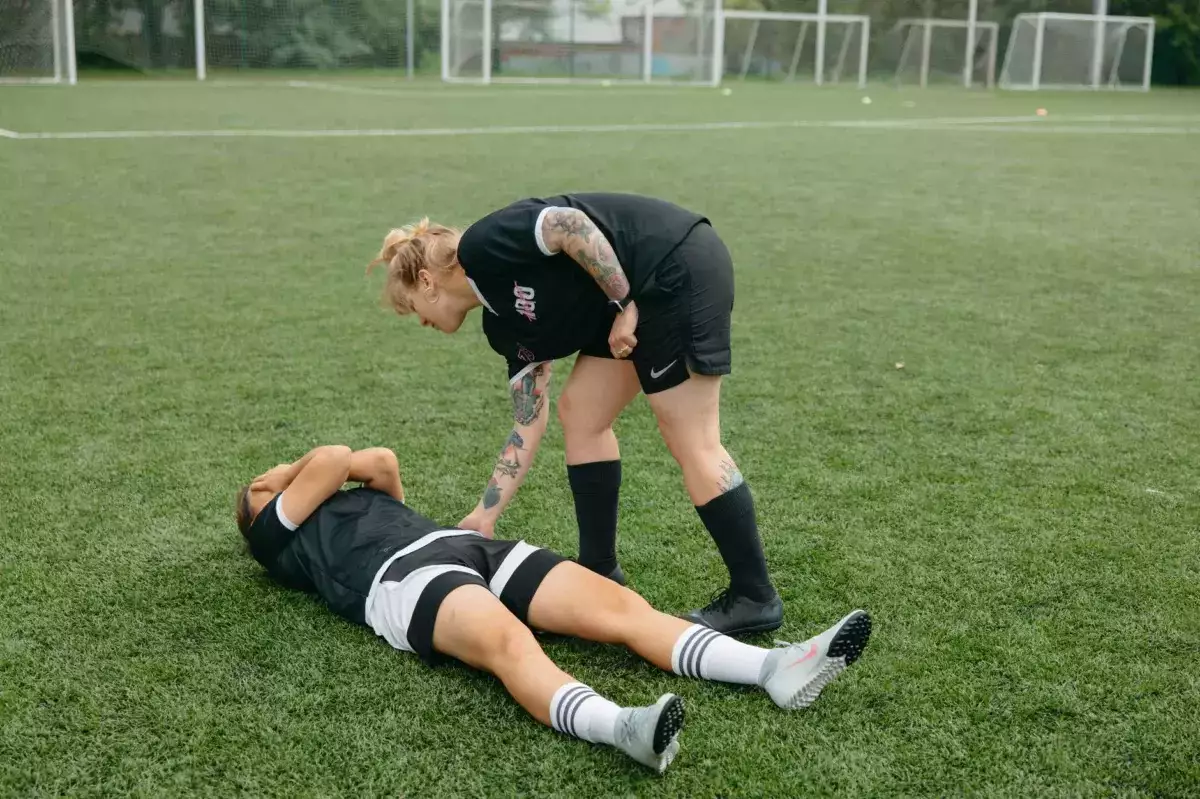
The Lawrence Shankland injury presents Rangers with a significant sporting and leadership problem after the club captain was reported to have suffered a hamstring tear. The Scotland forward could be unavailable for up to four months, while surgery remains a possibility. That timeframe would make this more than a routine muscle complaint: Rangers must now protect Shankland’s recovery while reorganizing their attack, captaincy structure and match strategy.
The limited initial report leaves important questions unanswered, including the tear’s precise location and severity, whether the tendon is involved and what criteria will determine the need for an operation. Those details can materially affect rehabilitation. The phrase
Frequently Asked Questions
Why could a hamstring tear keep Lawrence Shankland out for up to four months?
A four-month absence may indicate a high-grade tear, damage near the tendon or an injury requiring surgery. Recovery time depends on the tear’s location, severity and Shankland’s response to rehabilitation. Rangers would also need to allow time for him to rebuild strength, sprint at full intensity and tolerate match demands before returning.
What factors will determine whether Shankland needs surgery?
Specialists will assess imaging, tendon involvement, the extent of muscle retraction and whether the injury is likely to heal reliably without an operation. Surgery is more commonly considered for severe tears or tendon damage. Rangers must weigh the potential benefits against a longer initial recovery and the usual risks associated with any surgical procedure.
Could Shankland return earlier than the reported four-month timeframe?
Yes, because four months appears to be an upper estimate rather than a confirmed return date. A less severe tear treated conservatively could allow an earlier comeback. However, Rangers are unlikely to accelerate the process solely because of fixtures, as premature return can increase the risk of reinjury and a longer subsequent absence.
How will Rangers decide when Shankland is ready to play again?
His return should be based on objective milestones rather than time alone. These may include pain-free running, restored hamstring strength, balanced performance between both legs, maximum-speed sprinting and completion of full team training. Medical staff will also monitor how the muscle responds after demanding sessions before approving competitive minutes.
How might Rangers replace Shankland’s leadership as well as his goals?
Rangers may divide his responsibilities rather than rely on one direct replacement. Another senior player can wear the armband, while forwards and attacking midfielders share the scoring burden. Coaches may also alter the formation, pressing structure or build-up play so the team is less dependent on the captain’s finishing, movement and presence up front.
Is a hamstring reinjury more likely after such a long absence?
Hamstring injuries can recur, especially if sprinting loads rise too quickly or strength deficits remain. A long rehabilitation does not automatically remove that risk. Rangers can reduce it through progressive running, eccentric strength work, careful workload monitoring and a phased return, potentially using Shankland as a substitute before restoring him to regular starts.