
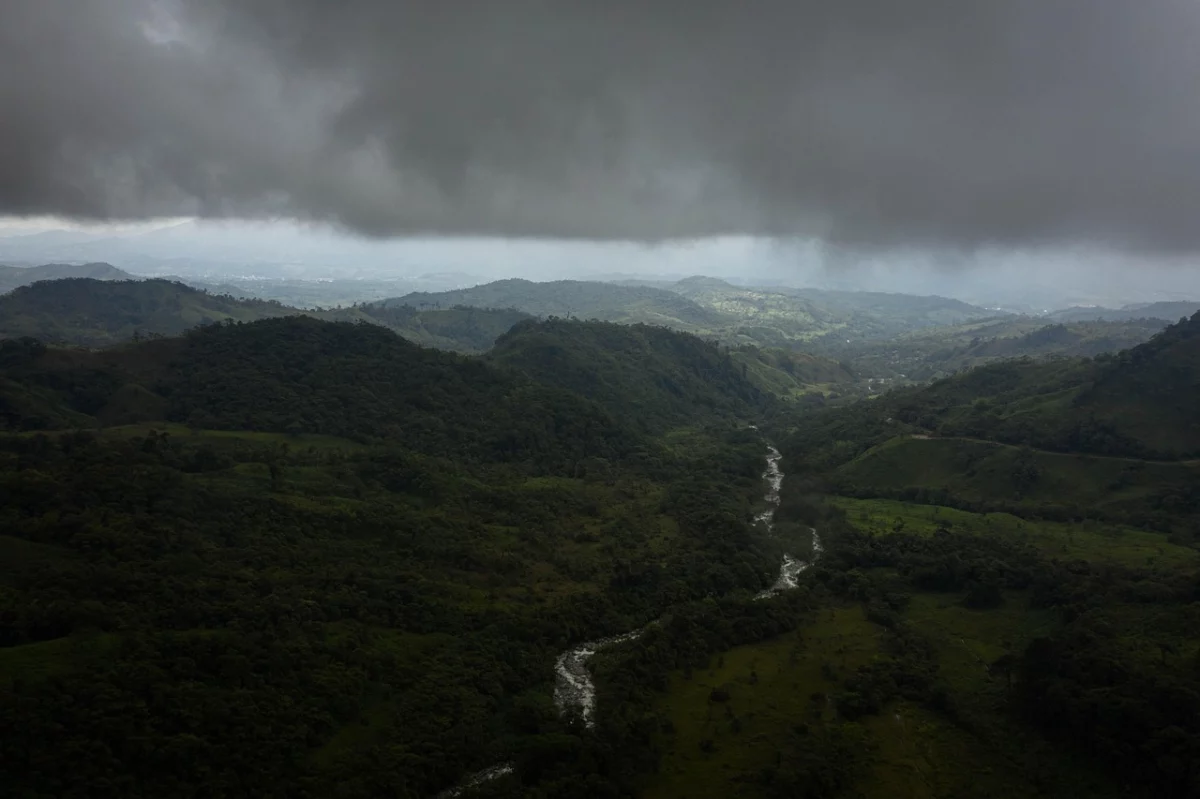
Juma Xipaia and Yanuni place an Indigenous leader’s struggle at the center of a much larger conflict over land, development and political power in Brazil. The documentary follows Xipaia as she resists the destruction of her rainforest home and confronts threats serious enough to put a price on her head. Its importance does not depend on awards speculation or celebrity association. The film matters because it examines what environmental protection demands from people who cannot treat the Amazon as an abstract cause: it is their territory, history, livelihood and cultural foundation.
That perspective distinguishes Yanuni from conventional conservation storytelling. Public debate often measures the Amazon rainforest in hectares, carbon emissions or annual deforestation rates. Those indicators are essential, but they can obscure the human contest beneath them. Forest loss is also a struggle over who has authority to decide how territory is used, who receives the economic benefits and who bears the risks of opposing powerful interests.
Who Is Juma Xipaia?
Juma Xipaia is an Indigenous Brazilian activist associated with the Xipaya people and the Xingu region. Her public role belongs to a broader history of resistance by Indigenous peoples in Brazil, whose communities have faced territorial encroachment, disease, forced displacement, extractive development and attempts at cultural assimilation.
Descriptions such as
Frequently Asked Questions
What does the title Yanuni refer to?
The provided article does not explain the specific meaning of Yanuni. It uses the title to frame Juma Xipaia’s resistance within the wider struggle over Indigenous territory, rainforest protection, development and political power in Brazil rather than presenting the Amazon solely as an environmental issue.
How does Yanuni differ from a conventional conservation documentary?
Yanuni centers the experience of an Indigenous leader for whom the rainforest is territory, history, livelihood and cultural foundation. Instead of treating deforestation mainly through statistics or distant advocacy, it examines the people exposed to direct danger when they challenge economic and political interests seeking control over the land.
Why is control over territory central to protecting the Amazon?
Territorial control determines who can authorize development, extract resources and receive economic benefits. It also shapes who must endure displacement, environmental damage and retaliation. The article therefore presents forest loss as a political contest over decision-making power, not simply as a technical problem measured in hectares or carbon emissions.
Are deforestation rates and carbon data less important than Indigenous testimony?
No. The article explicitly recognizes those indicators as essential, but argues that they offer an incomplete picture. Scientific measurements describe the scale and climate consequences of forest loss, while Indigenous testimony reveals how destruction affects communities and exposes the unequal risks carried by those resisting powerful interests.
What kinds of risks does Juma Xipaia face in the documentary?
The article states that Xipaia confronts threats severe enough for a price to be placed on her head. Although it does not identify every alleged source or incident, it connects that danger to her opposition to rainforest destruction and to broader conflicts involving territorial encroachment, extractive development and political power.
Does the documentary’s importance depend on awards or celebrity involvement?
No. The article argues that the film matters independently of awards speculation or celebrity association. Its significance comes from documenting the personal cost of environmental resistance and showing that Amazon protection is inseparable from Indigenous rights, territorial authority, cultural survival and the distribution of economic and political power.