
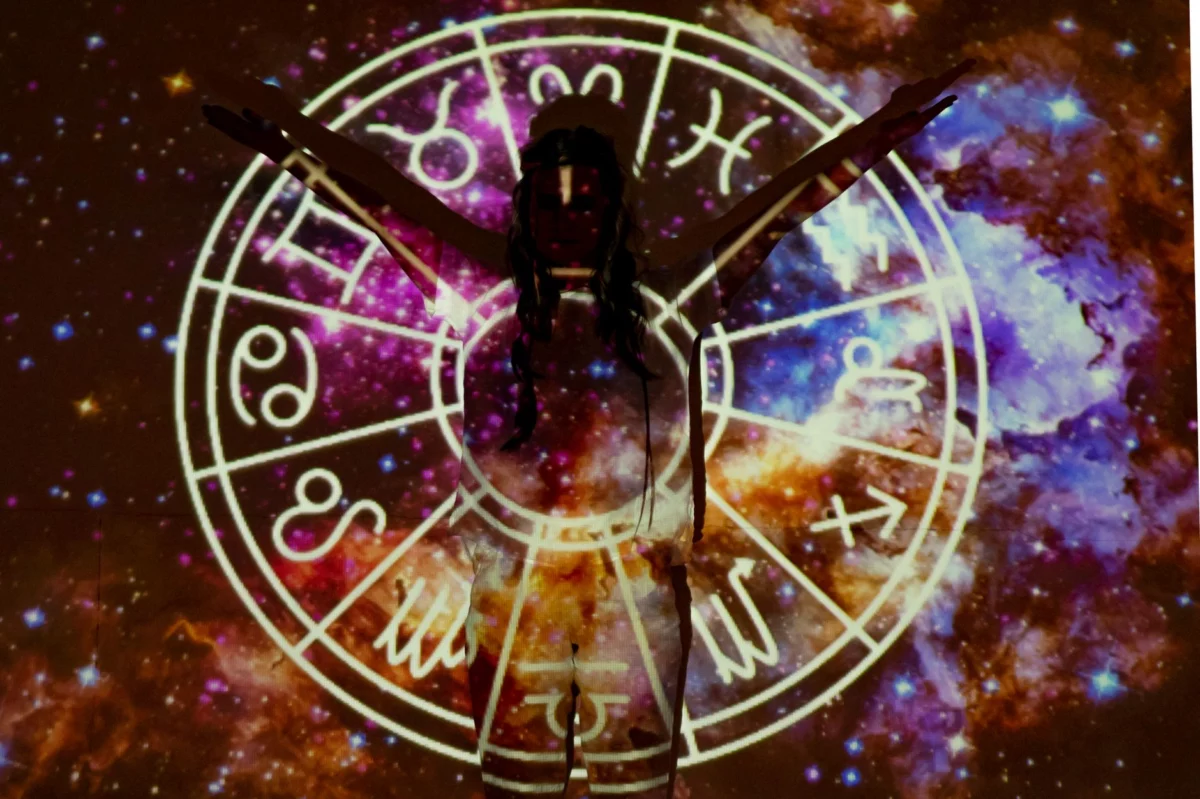
Horoscope today is less a forecast than a reading habit. On 10 October 2026, the familiar daily star sign format associated with Mystic Meg, The Sun, and the broader world of astrology keeps doing the same work it has always done: turning uncertainty into short, readable guidance about love, money, and work. That is its strength and its weakness. It gives readers a compact story about the day, but it does not behave like evidence-based prediction.
The format survives because it is efficient. A few lines can reassure, warn, flatter, or provoke action. That is why readers search for daily horoscope predictions even when they do not believe them literally. They are not always asking for certainty. Often they want a frame for the day, a language for mood, or a small push toward a decision they already half intended to make.
What a daily horoscope actually is
At its core, a horoscope is a chart or interpretation based on celestial positions at a moment in time. In mass media, that technical meaning has been compressed into a consumer product: the short daily forecast attached to a zodiac framework. Most newspaper and app readers do not approach it as scholarly astrology. They approach it as a zodiac sign guide with a tone that is part advice, part entertainment, and part ritual.
The 12 signs from Aries to Pisces function less like measurable categories than like familiar character types. That matters because the reader is not usually checking a horoscope for statistical accuracy. The reader is checking whether the language appears to describe the current day, the current week, or the current emotional problem with enough force to be useful.
| Feature | Why it works | Limitation |
|---|---|---|
| Immediate sign label | Fast identification and low effort | Encourages overgeneralization |
| Love, money, career triad | Touches the most common daily concerns | Compresses life into fixed buckets |
| Open-ended advice | Feels personally relevant | Can fit almost any outcome after the fact |
| Daily cadence | Builds habit and repeat readership | Rewards familiarity more than precision |
Why readers keep returning to the same format
The daily horoscope column survives because it meets a practical psychological need: it converts ambiguity into a sentence that can be acted on, ignored, or reinterpreted later. A reader may not accept the metaphysics of astrology, but that does not stop the text from feeling useful. The format is quick, social, and emotionally legible. It asks for almost no commitment and offers a surprising amount of self-recognition in return.
The persuasive power of a horoscope is not precision. It is the mix of familiarity, ambiguity, and timing that makes a reader feel singled out.
Psychology helps explain that effect. The Barnum effect describes the tendency to accept vague, general statements as personally meaningful. Confirmation bias then strengthens the habit: readers remember the line that seemed true and forget the one that did not. Apophenia, the tendency to see patterns in randomness, also plays a role. None of this requires bad faith. It only requires human pattern recognition under time pressure.
This is why a long-running column from a paper such as The Sun, especially one associated with a recognizable name like Mystic Meg, becomes more than a feature. It becomes a habit object. Readers return because they already know how to use it.
How an astrologer builds a believable daily column
Good horoscope writing is more disciplined than it looks. The best versions are not random mood boards. They rely on rhythm, tone control, and a narrow set of recognizable signals. A strong daily column does three things at once: it narrows the topic, it widens the possible meanings, and it ends with a clean takeaway.
Sun sign, moon sign, rising sign
In public astrology, the sun sign dominates because it is simple to use. More technical astrological practice also considers the moon and the ascendant, often called the rising sign. That difference matters because newspaper-style horoscopes are built for speed, not complexity. They trade nuance for access. A weekly or daily column cannot map a full chart for every reader, so it uses a shared symbolic shorthand.
That shorthand is why the same sentence can feel personal to one reader and irrelevant to another. An Aries reader may latch onto a line about action or conflict, while a Virgo reader may focus on order, hesitation, or control. The signs themselves are not scientific evidence; they are interpretive templates. Their cultural endurance has more to do with storytelling than with measurement.
Tone, verbs, and selective specificity
The most effective horoscope copy usually avoids hard prediction in favor of structured suggestion. It uses verbs like review, consider, reset, delay, decide, reconnect, and protect. These verbs are not neutral. They imply a realistic amount of agency while still leaving room for the reader to project a personal situation onto the text. Specificity is introduced in controlled doses: a money issue, a private conversation, a professional tension, a relationship pause.
That balance is why the format feels intimate even when it is generic. It names a mood without overcommitting to an event. In editorial terms, that is excellent packaging. In predictive terms, it is a limitation.
Reading the October 10 style forecast without overreading it
The snippet for Aries in the referenced column suggests a relationship theme built around equality and compromise. That is typical of the genre: it offers a principle rather than a testable event. Readers can use that kind of line productively if they treat it as a prompt. If the message encourages a needed conversation, it has practical value. If it encourages certainty about another person’s motives, it becomes too rigid.
A more disciplined way to read a horoscope today entry is to ask three questions:
- Does this advice describe a real issue already present in my week?
- Is the language giving me perspective, or is it replacing judgment?
- Would I still accept the advice if it came from a colleague, friend, or editor instead of an astrologer?
That test matters because the best uses of astrology are reflective, not delegating. A useful zodiac forecast helps a reader notice patterns; it should not replace planning, evidence, or consent.
How to use a horoscope without turning it into a command
- Use it as a mirror, not a verdict.
- Look for the emotional theme rather than the literal event.
- Do not use it to justify risky financial, legal, or medical decisions.
- Treat relationship advice as a prompt for conversation, not surveillance.
The limits that matter
The central criticism of daily horoscopes is simple: there is no scientific consensus that sun-sign astrology can reliably predict individual events or personality in the way readers often infer. That does not mean the entire genre is meaningless. It means the genre does a different job from science. It offers symbolic interpretation, not controlled prediction.
That distinction is often blurred in popular discussion because the packaging is persuasive. A polished column can feel precise even when it is built from broad categories. The same is true of many mass-media forms. Readers should be careful not to confuse emotional resonance with factual accuracy. A line can feel tailored and still be generic. It can feel insightful and still be non-falsifiable.
This is also where the difference between astrology and astronomy becomes important. Astronomy studies celestial bodies with empirical methods. Astrology uses celestial symbolism as an interpretive system. Conflating the two is a category error, not a harmless shortcut.
FAQ
How accurate are daily horoscopes?
As predictive tools, daily horoscopes are not reliably accurate in a scientific sense. As reflective or entertainment tools, they can feel useful because they speak to common experiences in a flexible way.
Should I read my sun sign or rising sign?
That depends on what you want. The sun sign is the standard mass-market version because it is simple. The rising sign is used more often in fuller astrological practice, but it requires a birth time and a more detailed chart.
Why do horoscope columns feel personal?
Because they combine vague-but-familiar language with emotionally charged themes. The result is a text that can match a reader’s situation after the fact, especially when confirmation bias is already at work.
Can horoscopes help with decisions?
They can help with reflection, but they should not be the basis for major decisions. If a horoscope helps you articulate what you already sense, it may have value. If it asks you to ignore evidence, it has crossed the line from interpretation into substitution.
What is the difference between a horoscope and astrology?
Astrology is the broader symbolic system. A horoscope is the specific chart or the short forecast derived from that system. In modern media, the term usually refers to the forecast itself.
What readers should watch next
The next shift in horoscope culture is likely to be personalization. App developers, content platforms, and AI tools can already generate sign-based text at scale, and that will make the genre more abundant but not necessarily more trustworthy. The danger is not that horoscopes become too mystical; it is that they become too efficient at sounding individual while remaining generic.
That raises the real question behind the daily star sign guide. Readers are not just asking whether the prediction is true. They are asking whether the text helps them interpret a messy day without surrendering judgment. The strongest horoscope columns understand that tension. They do not claim too much, and they do not say too little. The future of the genre will belong to writers and platforms that can preserve that balance without letting automation flatten the voice into empty personalization.
The unanswered issue is whether audiences want horoscopes to become more accurate or more tailored. Those are not the same thing. In practice, the market keeps rewarding the second even when it cannot deliver the first. That is why horoscope today remains culturally durable: it is less a prediction of the day than a compact script for how to read it.
Frequently Asked Questions
Why do daily horoscopes often feel accurate even when they are not evidence-based predictions?
Because they use broad but emotionally timed language that is easy to recognise as relevant. The mix of ambiguity, familiar zodiac labels, and current concerns like love or work creates a strong sense of personal fit. Readers also remember the lines that seem true and overlook the ones that do not, which makes the effect feel stronger over time.
If a horoscope is not a real forecast, what is it actually doing for the reader?
It acts as a quick interpretive frame for the day. Instead of predicting events with precision, it gives a compact story that helps readers think about mood, decisions, and priorities. For many people, that is enough: the horoscope becomes a language for uncertainty, a ritual, or a small prompt to reflect before acting.
Why do horoscopes focus so heavily on love, money, and career?
Those three areas capture the most common daily anxieties, so they make the format immediately useful. A horoscope that touches relationships, finances, or work can feel personally relevant with very little explanation. The trade-off is that life gets compressed into fixed buckets, which makes the message broad enough to fit many situations.
How can a daily horoscope be written to seem believable without being too vague?
Strong horoscope writing usually narrows the topic, keeps the tone controlled, and ends with a clear takeaway. It may hint at a specific situation while still leaving room for different outcomes. That balance is what makes the text feel tailored without needing precise facts, and it is why the same format can work day after day.
Should readers use a daily horoscope to make important decisions?
It is better used as a reflection tool than as a decision rule. The article suggests horoscopes are most useful when they help you notice your own feelings or assumptions, not when they replace evidence. If a prediction pushes you to pause, think, or reframe a choice, it can have value without being treated as literal guidance.