
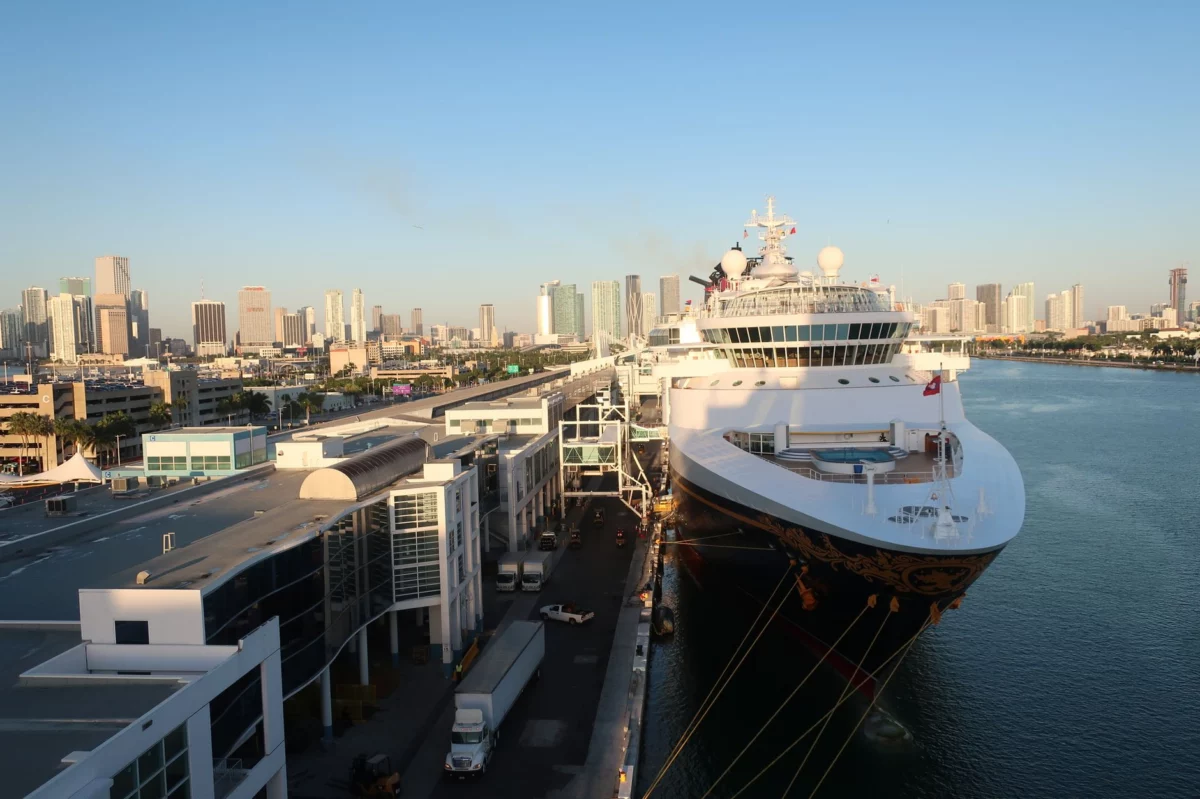
Messi cruise holiday packages are a textbook example of how modern travel sells certainty, scarcity and spectacle in one transaction. At first glance, the pitch is simple: fly to Miami, watch Lionel Messi at Inter Miami CF, then board a cruise ship bound for the Caribbean. But the real product is not just football and sunshine. It is convenience, controlled logistics and the emotional premium attached to a global icon whose presence has reshaped Major League Soccer and the demand around Miami travel.
That matters because bundled travel is rarely about headline price alone. In a package holiday, value depends on what is fixed, what is flexible and what can quietly become expensive later. For a Messi-themed trip, that distinction is critical: match tickets, hotel grade, transfer times, cabin category and cancellation rules can all change the economics. The best way to judge the offer is not as a fan fantasy, but as a travel product.
Why this offer exists now
The current appetite for a Messi package is not accidental. Messi’s career created a rare blend of sporting legitimacy and global celebrity. His years at FC Barcelona in La Liga, his spell at Paris Saint-Germain and his continuing role with the Argentina national football team mean that he remains one of the few athletes capable of turning a fixture into a destination. The impact of the FIFA World Cup and Copa América only reinforced that appeal.
Inter Miami CF then supplied the geography. Florida is already an efficient leisure market, and Miami is one of the few American cities where air arrival, hotel inventory and cruise departures are tightly clustered. Miami International Airport and PortMiami make the itinerary easier to assemble than it would be in a city where the stadium, terminal and hotel district are scattered. That convenience is the hidden engine behind the package.
In other words, this is not merely a football trip with a boat attached. It is a deliberately designed piece of sports tourism, built around the logic that many customers would rather pay for one clear route than manage three separate bookings under pressure.
The product is not football plus a cruise. It is reduced planning risk wrapped in celebrity scarcity.
What the typical package actually includes
Advertised bundles like the one described in the news article usually combine four moving parts: flight, hotel, match ticket and cruise. The headline price from £1,799 is only meaningful if you know which version of each component you are getting. The cheapest visible price is often the least flexible version of the trip, not the most comfortable one.
| Component | Why it matters | What to verify |
|---|---|---|
| Flights | Determines arrival buffer and departure convenience | Airline, baggage allowance, connection time, departure airport and protection status |
| Hotel | Affects walkability, transfer stress and recovery time | Star rating, district, check-in and check-out times, resort fees and breakfast inclusion |
| Match ticket | Defines the quality of the live experience | Seat category, stadium view, whether it is a standard ticket or hospitality package |
| Cruise | Usually the biggest value driver after the match | Cabin grade, itinerary, gratuities, dining options and port taxes |
| Transfers | Prevents the trip from becoming a logistics test | Whether hotel-to-port and airport-to-hotel transport is included or only suggested |
The key point is that a bundle is only as strong as its weakest part. A premium match ticket does not rescue a poor hotel location. A good cruise itinerary does not compensate for a tight transfer window. The practical question is whether the package has been assembled to reduce friction, or simply to make the headline price look attractive.
Flights and hotel are the quiet variables
Travel packaging often hides the least glamorous details. A flight arriving late in the day can compress your time in Miami and increase the risk of missing the first evening. A hotel far from the centre can add transfer costs and reduce the value of the short stay. For UK travellers, it is worth asking whether the holiday is ATOL-protected or otherwise financially bonded, and whether baggage and seat selection are included or priced separately.
The ticket matters more than the marketing
A ticket to see Messi is not a generic sports ticket. The difference between a distant seat and a strong viewing angle can determine whether the experience feels memorable or merely expensive. Buyers should ask whether the ticket is for a standard regular-season match, what view they can expect and whether hospitality is part of the offer. If the seller is vague here, that is a warning sign.
Is £1,799 actually good value?
On paper, a package from £1,799 that includes flights, tickets and hotel sounds aggressive. In practice, value depends on the cabin grade, flight times, hotel location and seat category. The package may be perfectly reasonable if it locks in the right date, a usable hotel and a decent cruise cabin. It may also become costly if the visible base price is built around the least desirable options and every improvement is an add-on.
That is why the comparison should not be with the price of an ordinary cruise alone. It should be compared with the total cost of arranging the same trip independently, including the friction cost of booking separately, checking match availability and managing transfers. For many buyers, the bundle wins not because it is cheapest in absolute terms, but because it removes decision fatigue.
- If you want certainty and simplicity, the bundle has a strong case.
- If you want the best possible cruise cabin or the best possible stadium seat, independent booking may be better.
- If you are travelling in peak season, the package can protect you from fragmented pricing.
- If you are highly price-sensitive, the add-ons can erode the advertised bargain.
In other words, the bundle can be fair value without being cheap.
Where the convenience breaks down
The promise of a cruise-and-stay trip is smoothness. The reality depends on a few fragile assumptions.
- Match-day timing: Football schedules can shift, and the trip is most vulnerable when the sporting event sits too close to the sailing date.
- Player availability: A ticket gets you into the stadium, but it does not guarantee a specific number of minutes from Messi or any other star.
- Weather: Florida and the Caribbean are exposed to storm disruption, especially during hurricane season, when itinerary changes are a real operational risk.
- Transfers: Even in a compact city like Miami, missed connections between airport, hotel and port can turn a premium trip into a queue-management exercise.
- Fine print: Cabin assignments, baggage rules, port taxes, gratuities and cancellation terms can all alter the final cost.
Any one of these problems can turn a polished itinerary into an expensive delay. This is why experienced travellers read package terms with more care than the advertisement deserves. The slicker the sales page, the more carefully the contract should be checked.
Who this trip suits best
This type of package is not for everyone. Its strongest appeal is to buyers who value the trip as an event rather than just transport and lodging.
- Football fans who want to see Messi in a live setting without managing separate bookings.
- Couples or small groups looking for a once-in-a-lifetime holiday that mixes sport and relaxation.
- First-time cruise travellers who want an easier introduction through a guided bundle.
- Time-poor travellers who prefer one price and one itinerary.
It is less suitable for travellers who want maximum cabin control, those who prefer to extend the Miami stay independently, or anyone who is only mildly interested in the match. The package works when the event and the cruise are both meaningful. If one part is filler, the whole deal loses force.
How to judge a Messi and cruise holiday before paying
The right way to evaluate the offer is to treat it like a purchase decision, not a fandom decision. Ask the seller for the facts that actually change your outcome.
- Confirm the ticket standard. Is it a genuine match ticket, a hospitality seat or a promotional allocation with limited view?
- Check the cruise itinerary. Which ports are included, how many sea days are there and what exactly is covered by the fare?
- Inspect the cabin category. Interior, ocean-view and balcony cabins are not interchangeable.
- Review transfer timing. Is there enough buffer between hotel checkout, port boarding and any airport journey?
- Read the cancellation policy. Ask what happens if the match date changes, the cruise itinerary changes or your own plans change.
- Verify consumer protection. If you are booking from the UK, ask whether the trip is ATOL-protected or otherwise financially covered.
- Compare with official sources. Check the latest club schedule and cruise-line terms directly, rather than relying on a single sales page.
Before paying a deposit, read the cancellation terms twice and confirm whether the cruise fare, match ticket and hotel are fully protected under one booking reference or sold as separate components. That distinction matters if plans change.
FAQ: what buyers ask most often
What does a typical Messi cruise package include?
Usually flights, hotel, a match ticket and a cruise. The exact cabin, hotel standard and transfer policy can differ materially, so compare the fine print rather than the advertising headline.
Is it worth booking early?
Usually yes, because both major events and cruise departures have limited inventory. Early booking also gives more room to upgrade if the default cabin or seat is too basic.
Can I assume Messi will play?
No. A ticket gets you into the match; it does not guarantee a specific number of minutes or a particular on-field role. That is standard in elite sport, and buyers should treat the trip as access to the event rather than a guarantee of a specific performance script.
What should I watch next?
The key variables are Inter Miami CF availability, broader MLS scheduling, airline capacity into Miami, and whether cruise operators keep refining the bundle or simply raise the price as demand grows.
The real test is whether the trip still works without the headline
That is the central insight behind the current wave of Messi-themed travel offers. The name sells the trip, but the trip survives only if the logistics are solid. If the football ticket, flight timing and cruise handover are coherent, the package has genuine commercial logic. If not, it becomes a premium souvenir that looks better on a sales page than in a spreadsheet.
As long as the itinerary delivers real convenience, the package will sell. If it starts leaning too heavily on the Messi name while trimming cabin quality, transfer reliability or ticket clarity, buyers will notice. What to watch next is simple: can travel operators turn a one-off star moment into a durable sports tourism product, or is this only a temporary premium built around a player whose scarcity is itself part of the price?
Frequently Asked Questions
Is a Messi cruise holiday package actually cheaper than booking everything separately?
Not necessarily. These packages are often more valuable for convenience than for pure savings. The headline price can look competitive, but the real comparison depends on flight timings, hotel quality, ticket category and cabin type. If you would book premium components anyway, the bundle can make sense. If you are flexible, separate bookings may be cheaper.
What hidden costs should I look for before booking?
The most common extras are baggage fees, resort fees, airport transfers, cruise gratuities, port taxes and drinks or dining upgrades onboard. Match hospitality, better seating and cabin upgrades can also push the total up quickly. The advertised price may only cover the basic version of each part, so always check what is excluded.
Does the package usually include a good match ticket?
It depends on the operator. Some bundles include standard seats, while others offer hospitality or better stadium views. A ticket is only valuable if you know the exact category, location and whether it is guaranteed or subject to allocation. A vague “included ticket” can mean a much less premium experience than expected.
How much time will I really have in Miami before the cruise leaves?
Often less than people expect. Your usable time depends on flight arrival, customs, hotel check-in and the cruise departure schedule. If the itinerary is tight, one delayed flight can remove an entire evening. The best packages build in a buffer so you are not rushing from the stadium to the port the next day.
Who is this type of holiday best suited to?
It is best for travellers who value simplicity, want a guaranteed football experience and prefer one organised itinerary over planning each element themselves. It suits fans who see Messi as the main draw and are comfortable paying extra for reduced hassle. It is less ideal for bargain hunters or travellers who want full flexibility.
What should I check in the cancellation and protection policy?
You should check whether each component is protected separately or as one combined booking. That matters because match tickets, flights, hotel stays and cruises may have different cancellation rules. Also confirm what happens if the match schedule changes or the cruise timing shifts, since those changes can affect the whole trip value.