
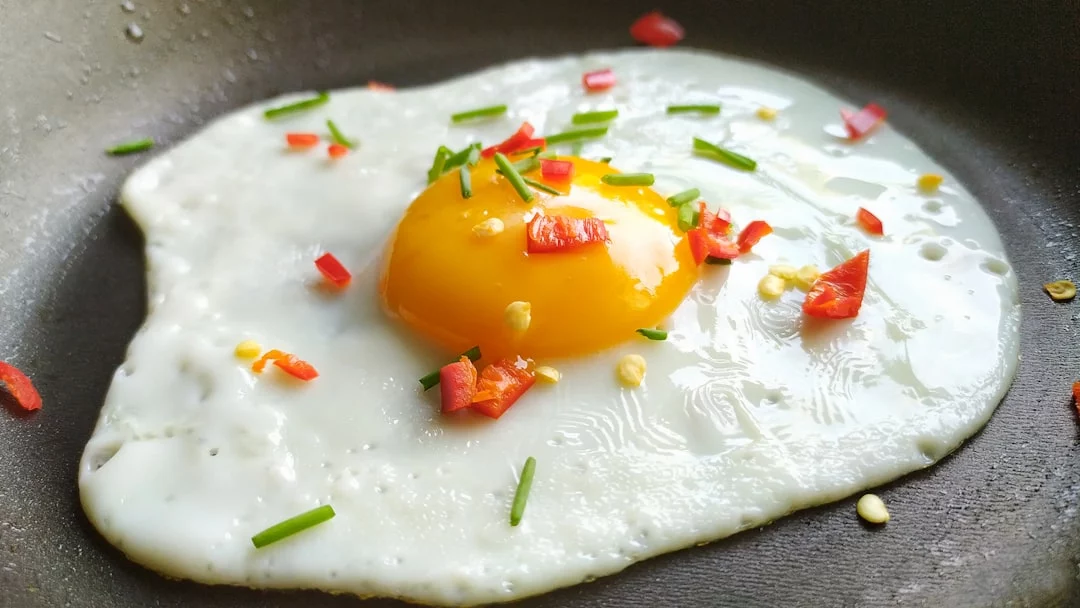
The headline risk is simple: FSA guidance on runny yolk fried eggs during Salmonella outbreak strongly discourages traditional runny-yolk styles while the investigation is ongoing. The practical question is harder: how do you balance taste and routine breakfast habits against Salmonella exposure pathways—especially when eggs are involved?
FSA guidance on runny yolk fried eggs during Salmonella outbreak: what to do now
This article is an analytical, critic-forward breakdown of what the Food Standards Agency message implies for consumers and food operators. It connects outbreak communications to microbiology, kitchen behavior, and realistic decision-making under uncertainty. You will get a clear
Frequently Asked Questions
Does the FSA guidance mean I should avoid eggs completely during the Salmonella outbreak?
Not necessarily. The key message is about discouraging specific styles—particularly runny-yolk fried eggs—while the investigation is ongoing. Many egg-based foods may still be fine if they are cooked thoroughly. If you’re unsure, choose dishes where the egg is fully set and follow any additional FSA updates for the specific outbreak.
Why are runny-yolk fried eggs singled out compared with fully cooked eggs?
A runny yolk suggests the interior may not reach temperatures that reliably kill Salmonella. Even if the egg looks cooked on the outside, the yolk and surrounding whites can remain undercooked. Fully set eggs provide a more dependable heat treatment, reducing the chance that bacteria survive in the parts you eat.
What’s the safer alternative for breakfast if I usually like my eggs runny?
A practical swap is to cook until the yolk is no longer runny—so the egg is fully set. For example, fry or scramble until there’s no visible liquid in the yolk, or use a harder-cooked style temporarily. This keeps breakfast familiar while aligning with the outbreak guidance and lowering uncertainty.
If I already ate a runny-yolk fried egg, should I worry?
Most people won’t develop serious illness, but it’s sensible to monitor for symptoms of Salmonella infection, such as diarrhoea, fever, and stomach cramps. If symptoms occur, seek medical advice—especially for children, older adults, pregnant people, or anyone immunocompromised. Follow any FSA or NHS updates related to the outbreak.
How should home cooks and food operators reduce risk in the kitchen right now?
Beyond cooking thoroughly, focus on safe handling: keep raw eggs separate from ready-to-eat foods, clean surfaces and utensils after contact with raw egg, and avoid cross-contamination. Don’t use the same plate or spatula for raw and cooked eggs. Store eggs properly and discard any that are cracked or contaminated.
Will the guidance change soon, and how will I know when it’s safe to return to runny-yolk styles?
Guidance typically evolves as investigations clarify risk sources and evidence. The most reliable approach is to check the latest FSA updates rather than assuming timelines. Once the FSA no longer discourages runny-yolk preparations for the outbreak in question, you can gradually return to your preferred style, still cooking eggs to a level that’s appropriate for food safety.