
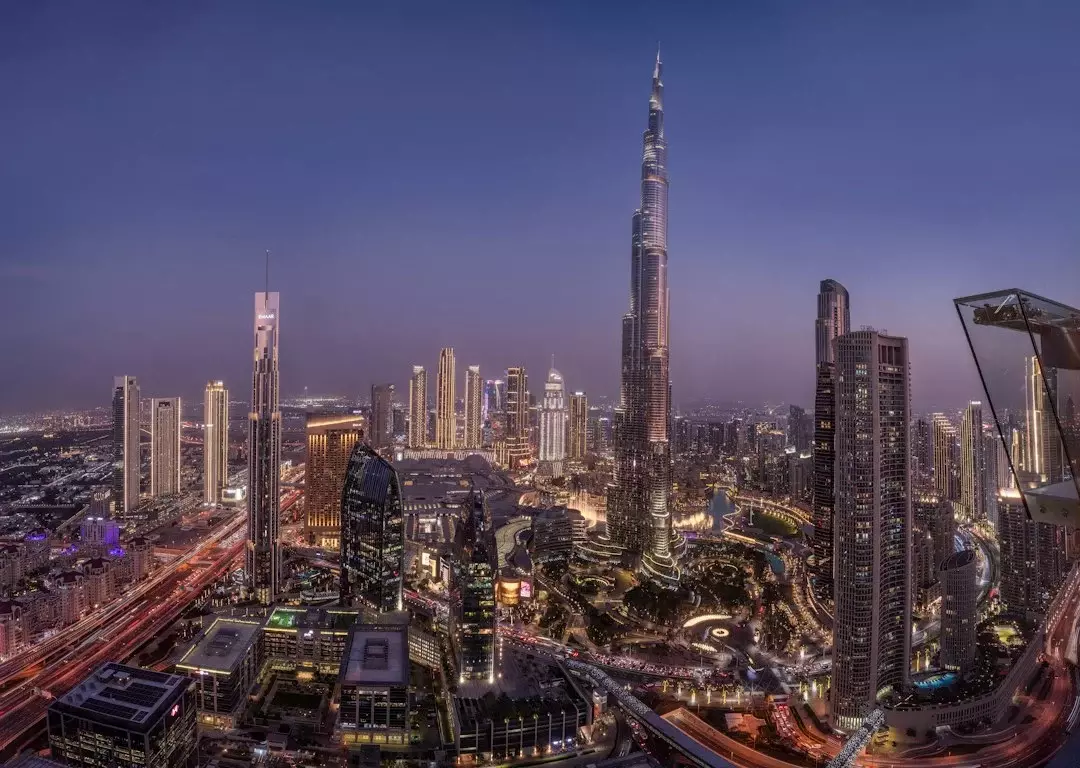
FHS World 2026 arrives in Dubai with unusual force because the meeting is not just about hospitality events and polished networking; it is about the future economics of the hospitality industry itself. Scheduled for 29 September to 1 October 2026 at Madinat Jumeirah, the summit carries a clear message in its theme, Reinvest In Our Future: owners, operators, lenders, and destination leaders are being asked to think beyond occupancy and aesthetics, and toward resilience, adaptability, and long-term value.
That matters because modern hospitality is no longer a simple story of building more hotels and waiting for demand to arrive. It is a complex balance of capital allocation, asset performance, energy use, labor, guest experience, and brand trust. In that sense, FHS World 2026 is best understood as a live reading room for the industry’s next chapter: a place where the conversation will likely move from headline growth to harder questions about where to place money, how to protect returns, and which properties deserve a second life rather than a new start.
What FHS World 2026 really represents
The phrase FHS World 2026 points to more than a calendar appointment. FHS, widely known as the Future Hospitality Summit, is part of the ecosystem where hotel investment, development, and operations meet. For a sector tied to tourism, aviation, and consumer confidence, that meeting is crucial. Decisions made in these rooms influence how destinations are branded, how assets are financed, and how travel infrastructure is designed for the next decade.
This is also why the summit is likely to attract attention well beyond the usual investor crowd. Developers want to know which markets are still worth entering. Operators want to know which flags, management models, and technology stacks can improve margins. Governments want to know how to stimulate visitation without overbuilding. And lenders, perhaps more than anyone else, want to know which hospitality stories are durable enough to withstand higher rates, tighter underwriting, and more demanding sustainability standards.
If you want a broader market lens, it helps to pair the summit’s discussions with data from UN Tourism and destination context from Visit Dubai. The point is not that one event can define the industry, but that FHS World 2026 may crystallize where the industry already feels pressure building.
Why Dubai is an unusually powerful host city
Dubai is not a neutral backdrop. It is an argument in itself. The city has spent years shaping a global identity built on connectivity, spectacle, premium service, and scale, making it one of the world’s most recognizable hospitality laboratories. As part of the United Arab Emirates, Dubai combines policy ambition with a talent for building destinations that feel both futuristic and commercially disciplined.
Its tourism story is intertwined with landmarks and systems that are instantly familiar to travelers and investors alike: Burj Al Arab, Palm Jumeirah, Expo 2020 Dubai, Dubai International Airport, and the scale of Emirates all reinforce the same message: this is a market that understands destination economics as a connected system rather than a collection of isolated hotels.
The venue itself strengthens that message. Madinat Jumeirah, associated with the wider Jumeirah Group and the broader legacy of Jumeirah, is the kind of setting that blends resort atmosphere with business gravity. It is close enough to the city’s iconic hospitality identity to feel authentic, yet polished enough to host the serious deal-making that a summit of this kind requires.
Why the setting matters for the message
Location is not a cosmetic detail in hospitality. A summit about reinvestment becomes more persuasive when it is staged in a place where reinvestment is visible in the urban fabric. Dubai’s mix of landmark development, operational sophistication, and constant renewal gives attendees a living example of how hospitality assets can be continuously repositioned rather than left to age passively.
Reading the theme:
Frequently Asked Questions
Why does the theme “Reinvest In Our Future” matter more than a typical event slogan?
Because it reflects a shift in how hospitality value is being created. The focus is no longer just on adding rooms or chasing occupancy, but on protecting returns through resilience, sustainability, adaptive reuse, and stronger asset performance. In other words, the theme signals that investors and operators are being pushed to think like long-term stewards, not just developers.
What makes Dubai a stronger host for this summit than a more traditional conference city?
Dubai is not just a convenient venue; it is a real-world example of the economics being discussed. The city combines global connectivity, destination branding, large-scale infrastructure, and continuous reinvestment across its hospitality ecosystem. That gives the summit more credibility, because attendees are debating strategy in a market that visibly embodies those choices.
Does the article suggest that building new hotels is becoming less attractive than upgrading existing assets?
Yes, at least in many cases. The article implies that the next cycle may favor properties that can be repositioned, refreshed, or given a second life rather than replaced outright. With tighter financing, higher rates, and stronger sustainability expectations, improving existing assets can be a more efficient route to value than starting from scratch.
Why are lenders and not just hotel owners paying attention to FHS World 2026?
Because lending decisions now depend on much more than basic demand forecasts. Lenders need confidence that a hotel can withstand higher interest rates, shifting guest expectations, labor pressures, and sustainability requirements. The summit matters to them because it helps reveal which hospitality models are durable enough to support long-term debt and stable cash flow.
What kind of market questions is the summit likely to clarify for investors?
It should help investors assess where capital is still justified, which markets remain resilient, and which asset classes can generate better risk-adjusted returns. The article suggests that attendees will be looking beyond headline growth to understand margin improvement, operational efficiency, and whether certain destinations are truly ready for more supply or simply more reinvestment.