
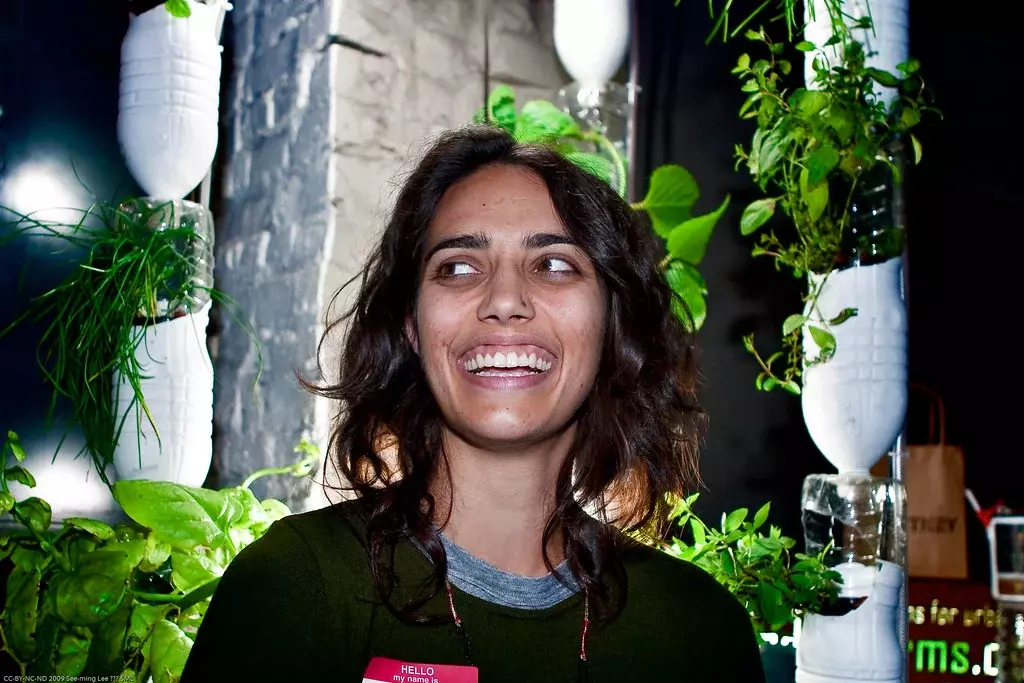
The best indoor garden systems are no longer novelty gadgets. In 2026, the strongest options behave more like compact growing environments than countertop toys: they balance light, water, airflow, and nutrient delivery so you can harvest herbs and greens indoors with less guesswork. For anyone trying to replace a patch of backyard space with a vertical hydroponic garden, the difference between a great system and a frustrating one comes down to consistency, not flashy apps.
Best Indoor Garden Systems for 2026: What Actually Works Indoors
That distinction matters because indoor growing sits at the intersection of indoor gardening, hydroponics, and, increasingly, vertical farming. Some systems use pumps and reservoirs to keep roots in a nutrient solution; others look more like polished self-watering planters with lights attached. The best of them make it possible to grow like a pro without forcing you to become one.
Why indoor garden systems have improved so quickly
Indoor growing used to mean a messy compromise: weak light, overwatered roots, and a kitchen that felt more like a lab than a home. Newer systems are better because they borrow from several mature ideas at once. The water movement of aeroponics, the stacking logic of vertical farming, and the user-friendly controls of a smart home are all influencing design. Add in cheaper sensors and more reliable connectivity through the Internet of things, and the category has become much more practical for everyday users.
That progress is not just about convenience. It is also about plant physiology. A leaf cannot photosynthesize well without enough light, stable moisture, and a balanced nutrient supply. In other words, the system has to help the plant do what it already wants to do. When it does, growth becomes predictable rather than heroic. When it does not, the results are usually pale leaves, leggy stems, and a reservoir full of unhelpful optimism.
What the best systems have in common
Lighting does most of the heavy lifting
The most important part of many indoor setups is not the tray or tower; it is the lamp. A quality grow light, usually built around a modern light-emitting diode, determines whether herbs stay compact or stretch toward the nearest window. The U.S. Department of Energy highlights the efficiency and low-heat advantages of LED lighting, and those qualities matter even more in small rooms where heat buildup and electricity use are part of the real cost of growing indoors.
Good light also means better control over plant shape. If the light is too weak, growth becomes spindly. If it is too intense or too close, leaves can bleach or curl. A better system allows the light height, timer, and intensity to be adjusted to match the crop rather than forcing every plant into the same schedule.
Water delivery must be steady, not dramatic
Most home growers do not need a laboratory-grade setup. They need a reservoir that stays clean, a pump that works quietly, and root access that is neither flooded nor dry. Systems inspired by nutrient film technique can be excellent for leafy greens because a thin stream of nutrient solution keeps roots supplied without drowning them. But the best systems are not always the most technically interesting ones; they are the ones that stay stable when life gets busy.
That is why maintenance design matters so much. Wide reservoir openings, removable parts, and visible water-level indicators reduce the odds that users ignore the system until a problem becomes obvious. An elegant machine that is annoying to clean often loses to a simpler one that is easy to service.
Nutrients and root health still matter
Even the most automated garden still depends on the basics of plant nutrition. Two numbers deserve more attention than most buyers give them: pH and electrical conductivity. pH influences whether roots can absorb certain nutrients efficiently, while electrical conductivity is a practical proxy for nutrient concentration. A good system should make these concepts manageable, not invisible. The moment users cannot tell whether the reservoir is healthy, they begin to rely on guesswork.
The same is true of temperature and humidity. The EPA’s indoor air quality guidance is relevant here because a damp, enclosed growing area can contribute to odor, condensation, and discomfort if ventilation is ignored. The best indoor garden systems do not just grow plants; they fit the room they live in.
The most expensive indoor garden is usually the one that looks great on day one and gets abandoned by week six because it is noisy, hard to clean, or too needy for a busy kitchen.
Which type of system fits which grower?
The phrase best indoor garden systems covers very different products. Some are low-effort countertop units. Others are vertical towers that maximize output per square foot. A few are closer to compact commercial rigs than home appliances. The right choice depends on what the buyer wants more: simplicity, yield, or control.
| System type | Best for | Strengths | Trade-offs |
|---|---|---|---|
| Pod-based countertop garden | Beginners, herbs, small apartments | Easy setup, compact footprint, predictable results | Recurring consumables, limited root space |
| Vertical hydroponic tower | Families, salad greens, frequent harvesting | High output per square foot, strong visual impact | Cleaning can be more involved, pumps and tubing need attention |
| NFT-style rack | Advanced growers, leafy greens | Efficient water use, scalable layout | Requires more tuning and monitoring |
| Aeroponic system | Tech-savvy growers, high-performance setups | Excellent oxygenation, fast root access | Higher cost, more sensitive to maintenance errors |
| Soil-based self-watering planter | Houseplants, low-tech households | Familiar, forgiving, fewer moving parts | Slower growth, less precision than hydroponics |
The practical lesson is simple: the most sophisticated system is not always the best indoor garden system for a given home. A renter with a small kitchen may do better with a tidy pod unit than with a tall tower. A salad-heavy household may prefer a vertical design that can produce more cut-and-come-again crops. The right choice is the one that gets used every day.
What to grow in each system
Herbs reward consistency
For herbs, the sweet spot is usually a system with good light and easy trimming access. Basil is one of the most forgiving and productive crops in indoor setups, and it benefits from regular harvests that keep it bushy. Mint is vigorous, sometimes aggressively so, and is best kept in a system that gives it room to spread without taking over everything else. Rosemary usually asks for brighter light and better drainage than basil or mint, which makes it a better fit for systems that can keep roots from staying wet too long.
Leafy greens are the easiest yield story
Lettuce is the crop that best explains why indoor gardens became popular in the first place. It grows relatively quickly, does well in compact root zones, and is easy to harvest in repeated rounds. Because leafy greens depend more on consistent light than on sheer root volume, they are often the strongest match for towers, racks, and pod-based systems. If a buyer wants the fastest path from seed to dinner, lettuce and similar greens remain the clearest answer.
Houseplants and ornamentals need less drama
Not every indoor system needs to be judged by harvest weight. Some homes want greenery, not production. In those cases, a modest system can support a collection of houseplants or small decorative plants without the fuss of a full hydroponic setup. That is where a lower-intensity approach often wins: fewer moving parts, less nutrient management, and a more relaxed maintenance schedule.
For fruiting crops like peppers or tomatoes, expectations need to be realistic. These plants demand stronger light, more vertical clearance, and more patience. They can be grown indoors, but they do not behave like herbs. If a system cannot support stronger photosynthetic demand, the result is usually disappointing yield rather than a dramatic failure.
How to evaluate a system before buying
A useful way to compare products is to ask how they behave over a full month, not how they look in a product photo. The main factors are practical, not glamorous:
- Footprint: Will it fit the intended counter, shelf, or corner without blocking daily life?
- Noise: Can the pump run in a kitchen, office, or bedroom without becoming irritating?
- Cleaning: Are the reservoir, tray, and tubing easy to remove and scrub?
- Light control: Can the schedule and height be adjusted for different crops?
- Monitoring: Does the system make water level, nutrient status, or errors obvious?
- Replacement parts: Are filters, pumps, and pods easy to replace?
- Flexibility: Can you grow more than one plant type, or are you locked into a narrow seed list?
These are the details that separate a good purchase from an expensive decoration. A polished app interface may be nice, but it cannot compensate for poor root space or a tank that is too small for the crop load.
Common mistakes that make indoor gardens fail
Most frustrations come from a few repeat errors. First, buyers often overcrowd plants because the system looked larger in the store than it does on the counter. Second, they treat nutrient dosing as optional, then wonder why growth stalls. Third, they ignore light placement and assume any bright room is enough. Indoor growing is not the same as placing a pot near a window; it is controlled cultivation, even if it is happening beside the toaster.
Another common mistake is to overvalue automation. A smart alert can be helpful, but it is not the same as agronomy. Sensors can report a problem; they cannot fix a design that is too small, too dim, or too hard to clean. The best systems use automation to reduce friction, not to hide bad fundamentals.
It also helps to remember that indoor growing is still living biology. A crop may look fine one week and different the next because of pruning, season, or humidity changes in the room. The more you can see, adjust, and clean, the more resilient the system will be.
Where the category is heading next
The next wave of indoor garden systems will probably look less like a novelty appliance and more like a quietly capable piece of home infrastructure. Expect better integration with the smart home stack, stronger use of the Internet of things, and more helpful feedback about light, moisture, and nutrient balance. Machine-assisted monitoring may also reduce the learning curve for beginners, especially if brands can translate raw sensor data into simple actions rather than opaque alerts.
At the same time, the real pressure will be on energy efficiency, noise reduction, and material quality. If a system uses a lot of plastic, needs frequent consumable replacements, or requires constant attention, it will struggle even if it can grow impressive basil. The winners are likely to be systems that feel closer to good kitchen equipment than to a hobby project.
Frequently asked questions about indoor garden systems
What is the best indoor garden system for beginners?
For most beginners, a pod-based countertop system or a simple self-watering planter is the safest starting point. These options are easy to understand, compact, and less demanding than larger hydroponic towers or aeroponic rigs. If the goal is confidence and consistency, start small.
Do indoor garden systems use a lot of electricity?
Electricity use depends mostly on the light schedule, the efficiency of the LEDs, and whether the pump runs continuously or intermittently. Modern systems are generally more efficient than older indoor setups, but the lights still represent the main energy draw. Buyers should think of electricity as part of the operating cost, not an afterthought.
Can you grow tomatoes or peppers indoors?
Yes, but they are more demanding than herbs or lettuce. Fruiting crops need stronger light, more vertical room, and often more support than many consumer systems provide. They can work in larger setups, but they are a better fit for users who already understand nutrient management and light intensity.
How often should water be changed?
Follow the system instructions, but do not wait until water looks visibly dirty. A healthy routine usually includes checking levels often, topping off as needed, and refreshing the reservoir on a schedule that matches the crop and system size. The more intensive the grow, the more important it becomes to keep the water clean and balanced.
The next question buyers should ask
The most important insight is that indoor garden systems usually fail because of friction, not because of plant biology. A design that is hard to clean, loud to live with, or confusing to maintain will lose momentum long before the plants have a chance to prove the concept. That is why the best systems in 2026 are the ones that disappear into the background while the harvest keeps coming.
What to watch next is the move from novelty to infrastructure: quieter pumps, smarter light control, more accurate sensors, and designs that make a modest apartment feel a lot closer to a productive kitchen garden. The unanswered question is not whether indoor growing will continue to improve. It is whether the category can become easy enough, efficient enough, and durable enough to earn a permanent place in everyday homes rather than just a seasonal burst of enthusiasm.
Frequently Asked Questions
Do I really need a high-end system, or will a basic indoor garden work for herbs?
For herbs, a basic system can work if it provides strong LED light, steady water delivery, and easy maintenance. The upgrade to a better system matters most when you want faster growth, fewer failures, and less daily checking. If a setup lacks adjustable light or a reliable reservoir, herbs may still survive, but they often grow leggy and inconsistently.
Is a smart app actually useful, or is it mostly marketing?
An app is only useful if it helps you control the things plants actually need: light schedules, pump timing, and alerts for low water or maintenance. If it is just a flashy dashboard, it adds little value. In practice, the best systems use smart features to reduce guesswork, not to replace basic plant care.
What is the difference between hydroponic systems and self-watering indoor gardens?
Hydroponic systems actively deliver nutrient solution to roots, often through pumps, channels, or wicking designs. Self-watering indoor gardens are usually simpler and behave more like planters with a water reservoir. Hydroponics tends to be better for faster growth and greens, while self-watering systems are easier to manage and more forgiving for beginners.
How important are pH and electrical conductivity for home growers?
They matter more than many buyers expect. pH affects whether roots can absorb nutrients properly, and electrical conductivity gives a rough measure of how strong the nutrient mix is. If either is off, plants may look healthy for a while but still grow slowly, yellow, or develop weak roots despite regular watering.
Can these systems grow more than herbs and leafy greens indoors?
Some can, but that depends on light intensity, root space, airflow, and the crop’s needs. Herbs and leafy greens are the easiest because they have lower light demands and shorter growth cycles. Fruiting plants usually need stronger lighting, more nutrients, and more room, so not every countertop system is a good fit for them.
Why do some indoor gardens fail even when they seem well designed?
The most common failure is inconsistency, not hardware. A system may have good parts, but if the reservoir gets dirty, the light is too weak, or airflow is poor, plants decline quickly. Indoor gardening works best when the system stays stable over time and makes routine maintenance easy enough that you actually do it.