
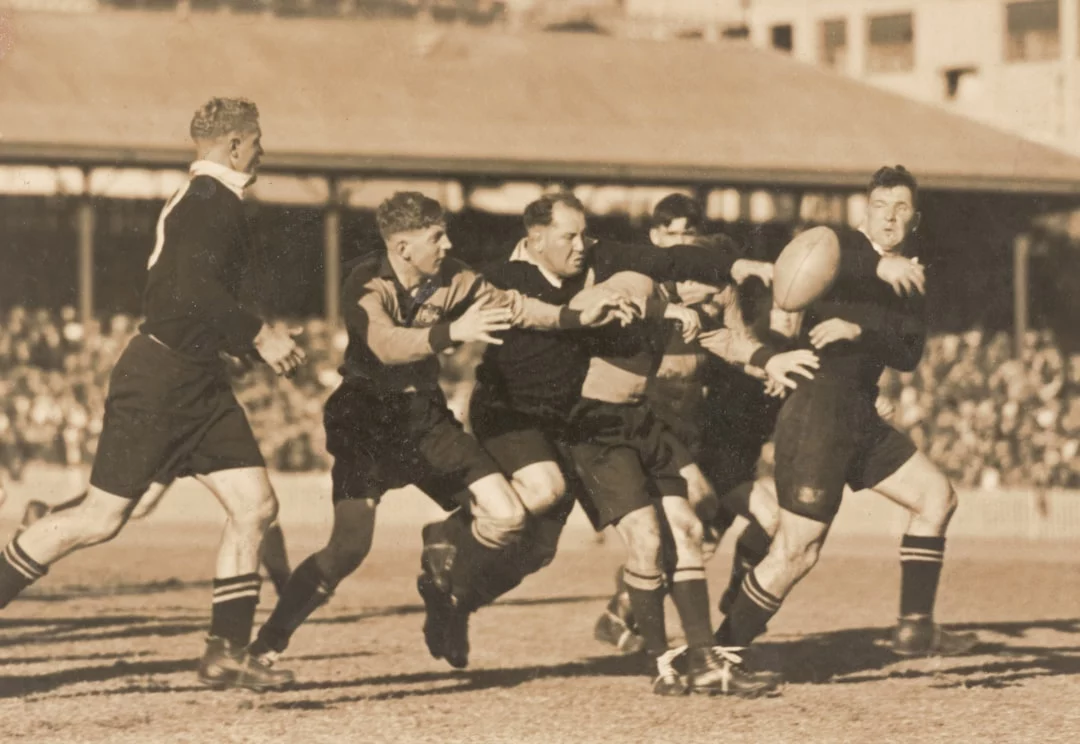
The All Blacks vs Springboks statement win is being treated as a headline result—but the real value for analysts is what it reveals about pressure management, rugby structure, and whether New Zealand can convert execution into repeated advantages. This article dissects the matchup as a tactical case study rather than a highlight reel, so you can separate signal from noise and judge what the result likely changes.
All Blacks vs Springboks statement win: tactical reasons, Springboks lessons, and what to watch next
What happened, and why this result is read as
Frequently Asked Questions
Why is the All Blacks vs Springboks statement win being treated as more than just a headline?
Because analysts value what the result demonstrates under real conditions: how each team manages pressure, how their rugby structure holds up when the game tightens, and whether execution turns into repeatable territory and scoring chances. A single highlight can mislead, but tactical patterns—line speed, decision-making, and discipline—tend to explain the bigger shift.
What does “pressure management” mean in a match like All Blacks vs Springboks?
Pressure management is how teams continue functioning when errors become costly—especially at breakdowns, in defensive phases, and during transitions. It includes whether players slow the opponent with the right body height, secure the ball cleanly under contact, and choose low-risk options when momentum is against them. The article’s key point is that repeated composure often decides close games.
How can you judge whether New Zealand converts execution into repeated advantages?
Look beyond one successful phase and ask if the All Blacks earn similar situations multiple times: consistent platform for kicks and carries, stable set-piece outcomes, and repeated wins in specific areas (like contestable breakdown moments or defensive drift). The “signal vs noise” idea matters because good execution should create recurring opportunities, not isolated moments.
What “Springboks lessons” are typically drawn from a statement loss?
Springboks lessons usually focus on where patterns broke, not just the scoreline. For example, whether their defensive line was late to reset, whether turnover ball quality dropped under pressure, or whether their attack lost shape when forced into contested carries. The reader takeaway is that the lessons come from repeatable causes, not random variance.
What should you watch next to verify the tactical takeaways from the result?
To confirm the article’s thesis, watch for whether both teams carry the same structural principles into the next matches: defensive organisation under sustained pressure, how quickly they repair missed tackles, and whether their decision-making improves late in games. Also track discipline and breakdown clarity—those are often the clearest indicators that the tactical adjustments are real.