
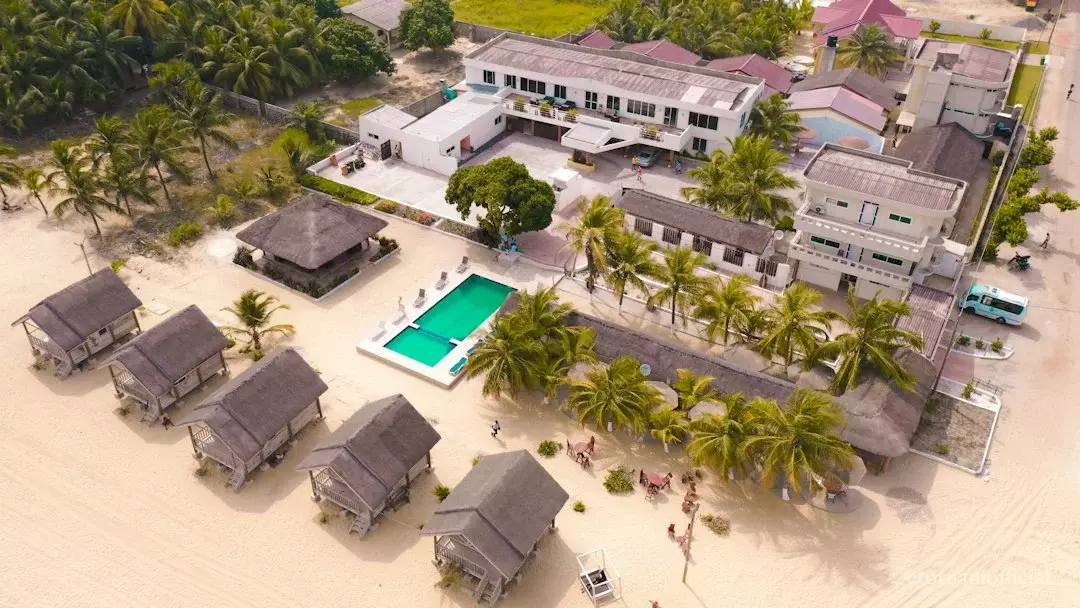
Albania holidays are moving from the edge of the British market into the mainstream package conversation. The reasons are concrete, not fashionable: more capacity from TUI, more flights from Jet2.com, and headline all-inclusive prices that make the destination look aggressively competitive against better-known Mediterranean rivals. That matters because a destination does not scale on scenery alone. It scales when airlines, hotel groups, and tour operators make it easy to buy, easy to reach, and easy to price. For UK travellers, Albania is still a short-haul break of roughly three hours, but the commercial logic behind it is now much stronger than the word-of-mouth logic that used to define it.
The appeal is obvious enough on the surface: warm summers, coastal resorts, and prices that still undercut more established destinations. But the real story is structural. Albania is becoming a better package holiday product, and that is a different claim from being a pretty place. A place can be attractive and still hard to sell at scale. A place becomes important to the market when it can absorb demand without collapsing into chaos. The latest expansion suggests Albania is being pushed toward that second category.
Why Albania is suddenly scaling
Albania sits on the Balkan Peninsula, with coastlines on both the Adriatic Sea and the Ionian Sea. That geography gives it a straightforward sales pitch: beach holiday warmth without the price penalties that usually come with more famous southern European destinations. Yet geography alone does not explain the current surge. The country spent decades isolated under communist rule, and the modern tourism economy is still younger and less mature than the markets it now competes against. That lag is exactly why new hotels and new routes can move the needle quickly.
In practical terms, Albania is benefiting from the basics that drive tourism growth in any emerging destination: better air connectivity, more branded accommodation, and stronger distribution through major operators. In tourism markets, these are not small details. They are the mechanism. When a destination appears in a major brochure or on a large airline route map, it stops being a specialist choice and starts becoming a default option for mainstream buyers. The market then stops asking whether Albania exists and starts asking which resort to choose.
The decisive change is not that Albania is cheap. It is that Albania is becoming easy to book.
That is the difference between novelty and scale. A cheap place that is awkward to reach stays niche. A cheap place that is sold by known brands becomes a real competitor. That is why the current pattern of demand matters more than any single promotional headline.
The Albanian Riviera is the product, not the cliché
The phrase Albanian Riviera is now doing a lot of commercial work. It signals clear water, bright coastline, and resort potential, but it also hides the fact that not all Albanian seaside bases deliver the same holiday. The market is too often described as one destination when, in reality, it is a collection of different propositions. Durrës is easy, busy, and close to the airport. Sarandë is more dramatic, more Riviera-oriented, and better placed for slower coastal sightseeing. Ksamil is the Instagram-friendly end of the market, where the beaches can look exceptional but the pressures of summer demand are most visible.
The coast also sells because it still feels less saturated than many rivals. That is a temporary advantage, not a permanent one. Once a place becomes easier to sell, it becomes easier to crowd. The challenge for Albania is to grow without losing the rawness that made it attractive in the first place. The more the coast is covered in new development, the more the market will judge it on service quality rather than discovery value.
Durrës, Sarandë and Ksamil are not interchangeable
| Base | Strengths | Main trade-off |
|---|---|---|
| Durrës | Closest major beach base to Tirana, broad package choice, straightforward logistics | Can feel busier and less scenic than southern resorts |
| Sarandë | Best all-round base for the southern coast, access to the Riviera and day trips to Butrint | Longer transfer and higher seasonal pressure |
| Ksamil | Most photogenic beaches, clear water, strong appeal for short stays | Peak-season crowding and pricing pressure can be severe |
This is where informed buyers separate from headline chasers. A cheap rate in the wrong base can be a bad value. A slightly higher rate in the right place can be a better holiday. That simple distinction is often missed in destination marketing, which tends to flatten different resorts into one promise.
What TUI and Jet2 change in commercial terms
TUI Group and Jet2.com are not just adding flights and beds. They are reducing friction. That is the real commercial lever. A new route matters because it makes the destination visible in the booking flow. A new hotel matters because it gives the operator something to sell with confidence. A package holiday matters because it removes the need for the customer to stitch together flights, transfers, and accommodation on their own. That combination is particularly important for a market like Albania, where first-time visitors often want simplicity before they want adventure.
Jet2 operates as a low-cost carrier with a holiday audience rather than a pure point-to-point airline, which makes it useful for destinations that need both volume and trust. TUI, meanwhile, is one of the few brands that can push a destination from curiosity into a holiday category with a single season of visible capacity. In other words, the operators are doing what operators do best: turning a geographical fact into a saleable product.
That also explains why the all-inclusive model matters so much. A cheap beach holiday is not just about the room rate; it is about the cost certainty. For families and couples, the promise of a contained spend is often more valuable than the absolute lowest sticker price. This is why all-inclusive resorts are such a powerful growth engine in emerging Mediterranean markets.
How to read a cheap £219pp deal properly
The headline figure is useful, but only if you read it critically. A deal advertised at £219 per person can be real and still be highly conditional. It may apply to specific dates, a narrow room type, a shoulder-season departure, or limited availability. It may also exclude baggage, seat selection, transfers, or the kind of room placement that turns a basic holiday into a genuinely comfortable one. Price is a signal, not a verdict.
The questions that matter before you book
- Is the price based on school-holiday dates or a quieter departure window?
- Does it include checked baggage, transfers, and resort taxes?
- How long is the transfer from the airport to the hotel?
- Is the property actually on the beach, or just described that way in marketing copy?
- What part of the coast are you booking, and does that suit your holiday style?
For readers who want a deeper planning layer, it is worth linking to your own site’s best time to visit Albania guide and a practical cheap package holidays explainer. Those two pieces answer the questions most people do not ask until after they have seen the first attractive fare.
There is also a wider point here. Albania is still a destination where value is partially created by the fact that it is not yet over-processed. That can be an advantage for price, but it also means standards can vary more widely than in mature resort markets. Cheap is only good when the holiday still feels coherent.
Why is Albania becoming a popular holiday destination?
Because it now combines three things that rarely arrive together at the same time: a distinctive coastline, a competitive price point, and easier access from the UK market. The scenery was always there. The missing piece was distribution. Once the flights, beds, and package channels began to align, Albania moved from being a travel writer’s recommendation to a commercial opportunity. That is the underlying answer to the question, and it is more useful than the usual generic praise of hidden gems.
The country is also helped by contrast. Travellers who feel priced out of parts of Greece, southern Italy, or Croatia are more open to alternatives, especially when those alternatives still deliver warm sea, bright resorts, and a sense of discovery. Albania benefits from being close enough to feel convenient and different enough to feel new. That is a strong position, but only if it is managed well.
FAQ about Albania holidays
Is Albania cheaper than Greece?
Often, yes, especially for food, drink, and some package pricing. But the comparison depends heavily on resort, date, and hotel grade. A promoted deal may look dramatically cheaper than Greece, yet the real comparison should include transfer time, room quality, and what is included in the board basis.
Is Albania safe for tourists?
For most visitors, the practical question is less about broad safety narratives and more about standard travel diligence: book reputable accommodation, use normal city and beach awareness, and check current official travel advice before departure. Mainstream resorts are increasingly built around international tourists, which helps with familiarity and service consistency.
When is the best time to visit the coast?
For beach holidays, late spring and early autumn often offer the best balance of warmth, availability, and lower crowd pressure. Peak summer can deliver excellent weather, but it is also when crowds, traffic, and pricing are most likely to expose the limits of newer resort infrastructure.
Do TUI and Jet2 operate the same kind of trip?
Not exactly. Both can sell package holidays to Albania, but their flight schedules, hotel portfolios, baggage policies, and inclusions may differ. The sensible approach is to compare the total trip cost rather than the headline fare alone.
What to watch before the 2027 season
The key question is not whether Albania will keep growing. It will. The question is what kind of growth it will be. If hotel development stays ahead of infrastructure, the coast could become overcrowded, under-serviced, and less attractive by the time more travellers arrive. If the country uses this period to improve roads, waste management, beach regulation, and airport handling, it can turn a price-led boom into a durable tourism position. That would make Albania a serious long-term rival in the short-haul market rather than a passing bargain.
My view is that the next phase will be defined by sorting, not just growth. The early adopters will keep chasing the lowest headline rate. The more informed market will start asking which resort offers the best balance of access, beach quality, and overall stay. That is where Albania either matures or stumbles. The outcome will depend on whether the country can keep its value edge without sacrificing the very coastline that made the pitch work in the first place.
That is the real test to watch: not whether Albania becomes bigger, but whether it becomes better as it grows.
Frequently Asked Questions
Why do TUI and Jet2 matter so much for Albania holidays now?
Because they turn Albania from a specialist choice into a mainstream one. More flights and more package capacity make it easier for UK travellers to compare, book and trust the destination. When big operators sell a place, it stops relying on word of mouth and starts competing on the same terms as better-known Mediterranean holidays.
Is Albania still good value if more people start booking it?
Yes, though the biggest bargains may gradually narrow. Albania’s appeal is that it still undercuts many established beach destinations on all-inclusive pricing while offering a similar short-haul trip. As demand rises, prices can climb, but the destination still has room to stay competitive because it is starting from a lower tourism base.
Which Albanian resort is best for a first package holiday?
It depends on the kind of break you want. Durrës is the easiest and closest to Tirana, so it suits straightforward beach holidays. Sarandë feels more scenic and better for a Riviera-style stay. Ksamil is the most photogenic, but it can feel busier in peak season, so it suits travellers who do not mind crowds.
Is Albania easy to reach from the UK for a short break?
Yes. For UK travellers it is still a short-haul destination of around three hours, which keeps it practical for a week or even a long weekend. The difference now is that better route planning and package availability make it easier to book than it used to be, rather than just easier to fly to.
Will Albania lose its appeal if tourism keeps growing?
That is a real risk, especially on the coast, where new development can quickly change the atmosphere. The advantage Albania has now is a sense of discovery and less saturation than older rivals. If growth is managed well, it can improve facilities without losing its raw charm; if not, the market may value it mainly on service and price.