
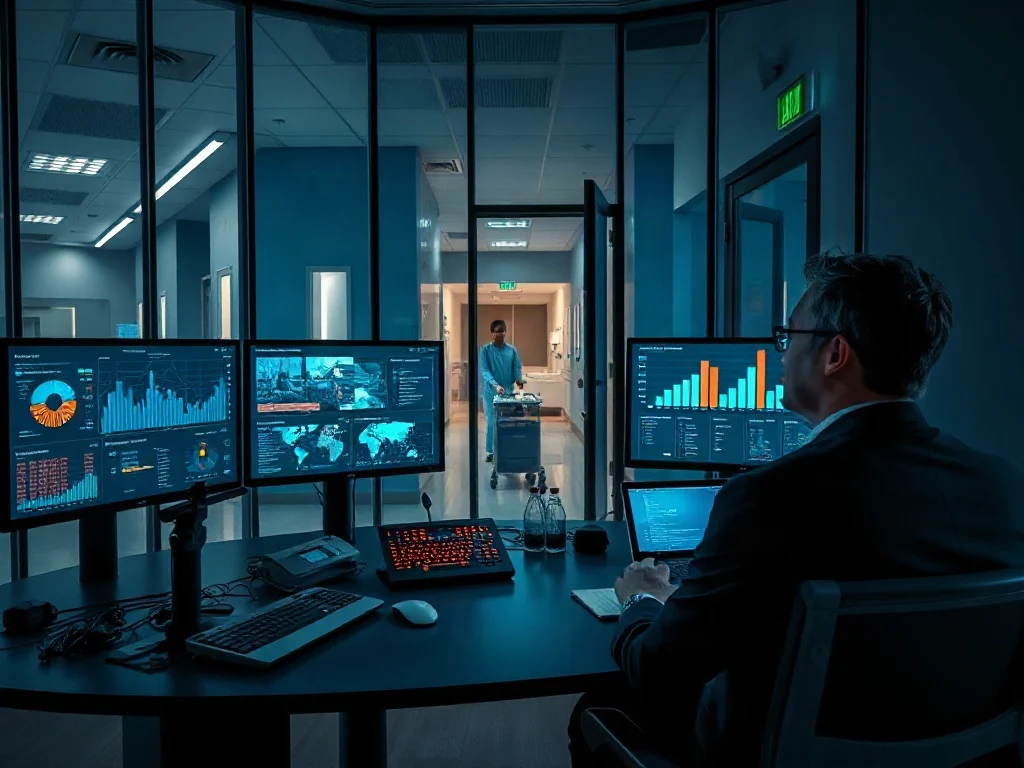
Healthcare security leaders are asking whether managed detection and response (MDR) services can do what their stretched internal teams cannot: watch their networks around the clock and stop attacks before they disrupt patient care. As cyberthreats grow more sophisticated, hospitals and health systems are rethinking whether limited in-house staff can monitor and respond to incidents effectively. MDR vendors say they can supply enterprise-grade protection that either complements a security operations center (SOC) or replaces much of its work.
The question has become more urgent as attacks on healthcare organizations grow more frequent and more costly.
Why the Question Is Gaining Urgency
Healthcare remains one of the most heavily targeted and most expensive sectors for data breaches. IBM’s 2024 Cost of a Data Breach Report put the average healthcare breach at $9.77 million, the highest of any industry for the 14th straight year.
The scale of exposure is also growing. The U.S. Department of Health and Human Services’ Office for Civil Rights reported more than 700 large breaches in 2023, affecting well over 100 million people. The 2024 ransomware attack on Change Healthcare later affected roughly 190 million individuals, according to HHS updates, and disrupted claims processing and payments nationwide.
Those incidents showed how a single compromise can ripple through hospitals, pharmacies and physician practices.
What MDR Actually Offers
MDR services combine security technology with human analysts. Providers typically deploy tools that collect data from endpoints, networks, cloud environments and identity systems. Their analysts then investigate alerts around the clock and, in many cases, take action to contain threats.
That differs from a traditional managed security service provider, which often forwards alerts to the customer for follow-up. Many MDR contracts instead include active response, such as isolating an infected device or disabling a compromised account.
For health systems, the pitch is straightforward. Building a 24/7 SOC requires multiple shifts of skilled analysts, threat intelligence, and tooling. Many organizations, especially community hospitals and regional systems, struggle to fund and staff that model.
The Questions Security Leaders Are Asking
Leaders weighing MDR generally focus on a handful of issues.
Complement or replace? Some organizations keep an internal SOC and use MDR for overnight and weekend coverage or specialized threat hunting. Others outsource most monitoring and keep a small team focused on governance, risk and vendor oversight.
How much authority does the provider have? Containing a threat quickly can limit damage. But isolating a device in a clinical environment can also interrupt care, so health systems need clear rules about what a vendor may do without approval.
Can the service see the whole environment? Hospitals run electronic health records, imaging systems, infusion pumps and other connected medical devices. Many of those devices cannot support standard security agents. Buyers should confirm that a provider can monitor this Internet of Medical Things equipment, whether through network-based detection or other methods.
How will the vendor handle patient data? Providers that access protected health information must sign business associate agreements under HIPAA. Organizations also need to understand where data is stored and who can access it.
How will performance be measured? Contracts should specify metrics such as mean time to detect and mean time to respond, along with reporting and escalation procedures.
Cost, Talent and Regulatory Pressure
Staffing is a major driver. Security analysts remain in high demand across industries, and health systems often compete with better-funded sectors for them. Outsourcing monitoring can reduce that pressure, although it does not eliminate the need for internal expertise to manage the relationship.
Cost comparisons are not always simple. MDR subscriptions can appear cheaper than a full SOC, but pricing often depends on the number of endpoints, data volume and response services included. Leaders should model total cost, including integration work and any tools they must keep.
Regulation is adding pressure. In January 2025, HHS proposed updates to the HIPAA Security Rule that would tighten cybersecurity requirements, including measures such as multifactor authentication, encryption and stronger monitoring. The proposal has drawn debate over cost and feasibility, particularly for smaller providers. If finalized in anything like its proposed form, it could push more organizations toward external help.
Risks and Limits
MDR does not remove accountability. A health system remains responsible for protecting patient data, regardless of who watches its alerts. Heavy reliance on one provider can also create concentration risk and make switching vendors difficult.
Quality varies widely among providers. Buyers should ask about analyst experience with healthcare environments, incident references from similar organizations, and how the vendor handles incidents during a crisis.
What to Watch Next
Health systems evaluating MDR should expect closer scrutiny of vendor contracts, particularly around response authority, medical device coverage and breach notification duties. The fate of the proposed HIPAA Security Rule changes will shape how quickly organizations act.
Many buyers are also likely to move toward hybrid models, keeping internal teams for clinical context and decision-making while outsourcing round-the-clock monitoring. How well those arrangements perform during the next major attack will show whether MDR delivers on its promise.
Frequently Asked Questions
How is MDR different from a traditional managed security service provider?
A traditional managed security service provider often just forwards alerts to the customer, who must follow up. MDR pairs security technology with human analysts who investigate alerts around the clock and, in many contracts, actively respond, for example by isolating an infected device or disabling a compromised account.
Can MDR providers protect medical devices like infusion pumps and imaging systems?
Not always. Many connected medical devices cannot run standard security agents, so buyers should confirm how a provider will monitor them. Options include network-based detection or other agentless methods. Asking about this coverage before signing helps avoid blind spots in the clinical environment.
Does hiring an MDR provider mean a health system no longer needs internal security staff?
No. Outsourcing monitoring can ease staffing pressure, but internal expertise is still needed to manage the relationship. Some organizations keep a small team focused on governance, risk and vendor oversight, while others retain a full SOC and use MDR for overnight, weekend or specialized threat-hunting coverage.
What risks come from letting an MDR vendor act automatically during an attack?
Containing a threat quickly can limit damage, but isolating a device in a clinical setting can interrupt patient care. Health systems should define in the contract what actions the vendor may take without approval, and which actions require escalation to hospital staff first.
What HIPAA requirements apply when an MDR vendor handles patient data?
Providers that access protected health information must sign a business associate agreement under HIPAA. Beyond that, organizations should learn where the vendor stores data and who can access it, so that outsourcing monitoring does not create new privacy or compliance exposure.
How should a health system measure whether an MDR service is performing well?
Contracts should specify measurable metrics such as mean time to detect and mean time to respond, plus clear reporting and escalation procedures. These benchmarks let security leaders hold the vendor accountable and compare the service against what an in-house team could realistically deliver.