
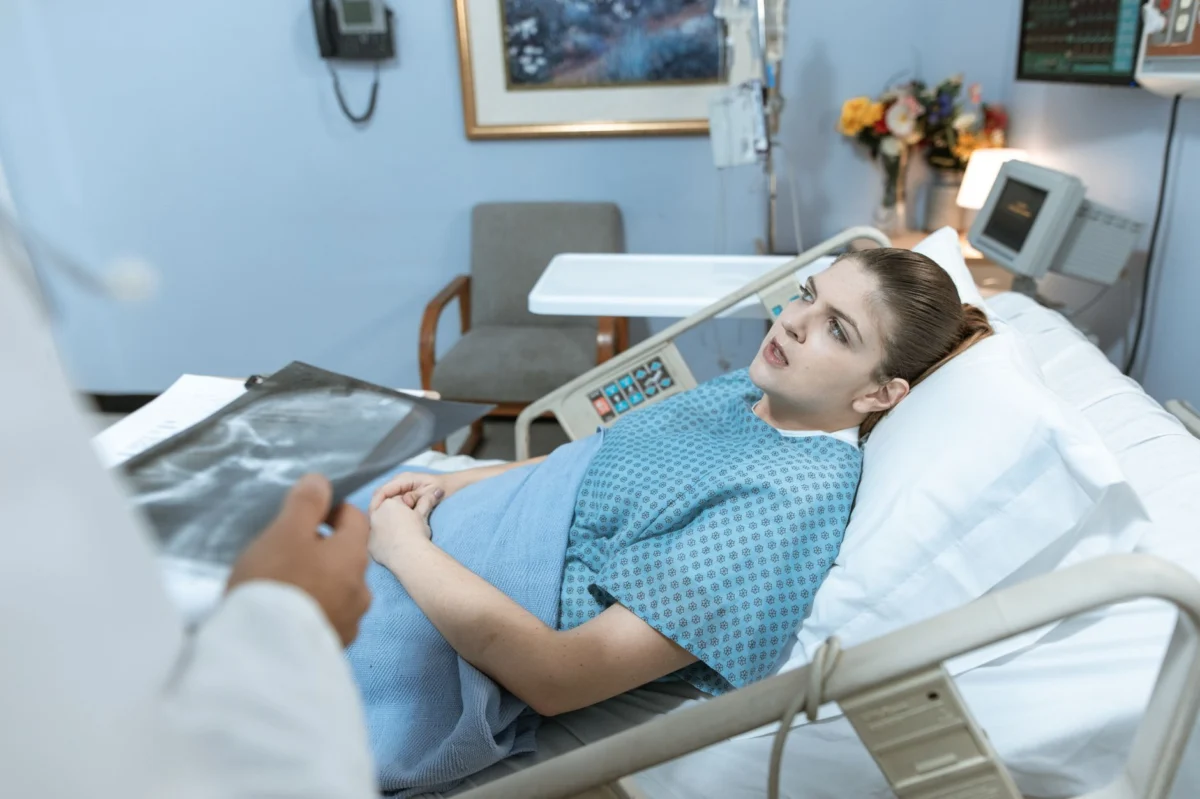
The Vatican’s announcement that Pope Leo XIV lung cancer treatment will not continue after surgery is more than a medical update; it is a reminder that a cancer found early can sometimes be addressed decisively. According to the statement, tests confirmed that the disease was localised, and the 71-year-old pontiff was discharged after a procedure to remove part of his right lung. In a case like this, the difference between an alarming diagnosis and a manageable recovery often comes down to staging, pathology, and timely surgery.
Why a localised diagnosis changes the outlook
In lung cancer, the word localised matters because it suggests the tumor has not been shown to spread widely beyond the original site. That is especially important in adenocarcinoma, one of the most common forms of lung malignancy. When doctors can confirm that a tumor is confined, a surgical approach may be enough, depending on the size of the lesion, the margins achieved, and the patient’s overall health.
This is where oncology becomes both scientific and personal. A patient’s treatment plan is never just about the diagnosis name; it is about how that cancer behaves, what imaging shows, and what the tissue reveals under the microscope. A reassuring post-operative report often means the team has reason to believe the cancer was caught before it could become more complicated.
What the surgery likely achieved
The Vatican said the pope underwent surgery last week to remove part of his right lung. In thoracic medicine, the goal of thoracic surgery is not only to remove diseased tissue but also to preserve as much lung function as possible. A partial resection may be enough when the tumor is limited, which is why surgeons often weigh the balance between complete removal and long-term breathing capacity.
Before surgery, doctors typically rely on a sequence of tests that may include computed tomography, tissue sampling, and biopsy results. The final verdict depends on histopathology, the careful analysis of cells and tissue architecture. That is why a statement that the disease was localised is so meaningful: it suggests the surgical and laboratory findings aligned well enough to rule out further immediate treatment.
In plain terms, the surgery appears to have done what the medical team hoped it would do: remove the threat, confirm the boundaries of the disease, and allow recovery to begin.
Why no further treatment can still require close monitoring
When the Vatican says no further treatment is needed, it does not mean the story is over. It means the next phase is surveillance rather than active intervention. Many patients with early-stage disease still need repeat scans, symptom checks, and follow-up visits to make sure there is no recurrence. In cancer care, success is often measured in months and years of stable results, not a single dramatic moment.
That is also why readers should avoid assuming every case of lung cancer follows the same pattern. Some patients may need chemotherapy, radiotherapy, or newer systemic therapies such as immunotherapy, depending on spread, biomarkers, and response to surgery. Others, especially those with limited disease discovered early, may do well with surgery alone. The correct pathway is always individualized.
What the Vatican’s health update means institutionally
The pope’s recovery has a public dimension that most patients never face. In Vatican City, health news about a pope affects not only a person but also the rhythm of the Holy See. The promise of a gradual return to activities reflects a careful balance: the need for rest on one hand, and the expectations of a global spiritual office on the other.
That balance is part medical, part symbolic. A pope’s schedule carries diplomatic, liturgical, and pastoral weight, so even a brief recovery period can influence public ceremonies and private audiences. The Vatican’s measured language suggests both confidence and caution, which is exactly what a serious health update should do.
What readers should watch next
The most important question now is not whether the operation succeeded, but how well recovery continues. Watch for signs that the pontiff is regaining strength, resuming limited duties, and tolerating the gradual return to public life. In the medical background, the key issues are whether follow-up imaging remains clear and whether pathology continues to support the original conclusion that the cancer was contained.
There is also a wider story here. As cancer diagnostics become sharper and surgery becomes less invasive, more patients may reach the point where treatment ends with a procedure rather than a prolonged course of therapy. The promise of earlier detection is not glamorous, but it is transformative: it changes lung cancer from a feared, late-stage crisis into a disease that can sometimes be intercepted in time.
That is the deeper lesson in this Vatican update. The headline is about one man, but the underlying message belongs to everyone who follows cancer medicine: when disease is found early, precision matters, and timing can matter even more.
Frequently asked questions
What does it mean when lung cancer is localized?
It means the cancer appears confined to the original area and has not been shown to spread widely. Localized disease is often more treatable, and surgery may be enough in selected cases.
Why might no further treatment be needed after surgery?
If the tumor is completely removed and tests show no evidence that additional therapy would improve outcomes, doctors may choose observation instead of chemotherapy or radiotherapy.
What follow-up is typical after lung cancer surgery?
Follow-up usually includes physical recovery checks, repeat scans, and ongoing review by the care team. The goal is to catch any recurrence early and protect lung function during healing.
Frequently Asked Questions
Why does a “localised” lung cancer diagnosis matter so much for recovery prospects?
A localised diagnosis suggests the cancer has remained confined to the original area rather than spreading widely. That often makes surgery more effective because doctors can remove the visible disease with a better chance of complete control. Prognosis then depends on factors such as tumor size, margins, and pathology results, not just the cancer type itself.
Why would surgeons remove only part of the lung instead of the whole lobe or lung?
Thoracic surgeons try to remove all cancerous tissue while preserving as much healthy lung as possible. If the lesion is small and confined, a partial resection may be enough to achieve clear margins without unnecessarily reducing breathing capacity. The exact approach depends on tumor location, size, and how much normal tissue can safely be spared.
Does “no further treatment” mean the cancer is definitely gone?
Not necessarily. It usually means the medical team believes surgery was sufficient for now and that additional therapies like chemotherapy or radiotherapy are not immediately needed. However, patients still need follow-up scans and clinical monitoring because recurrence cannot be ruled out forever, even after a very successful operation.
What role do biopsy and histopathology play after surgery?
Biopsy and histopathology confirm what the tumor is and whether it was fully removed. Pathologists examine the tissue under the microscope to determine cancer type, aggressiveness, and whether the margins are clear. Those findings often decide whether surgery alone is enough or whether more treatment should be considered.
Why is early detection especially important in lung adenocarcinoma?
Early detection can turn lung adenocarcinoma from a complex, multi-step cancer treatment into a potentially surgical one. When found before it spreads, the disease is more likely to be controlled with a targeted operation. Once it becomes advanced, treatment usually becomes more involved and may require systemic therapies in addition to surgery.