
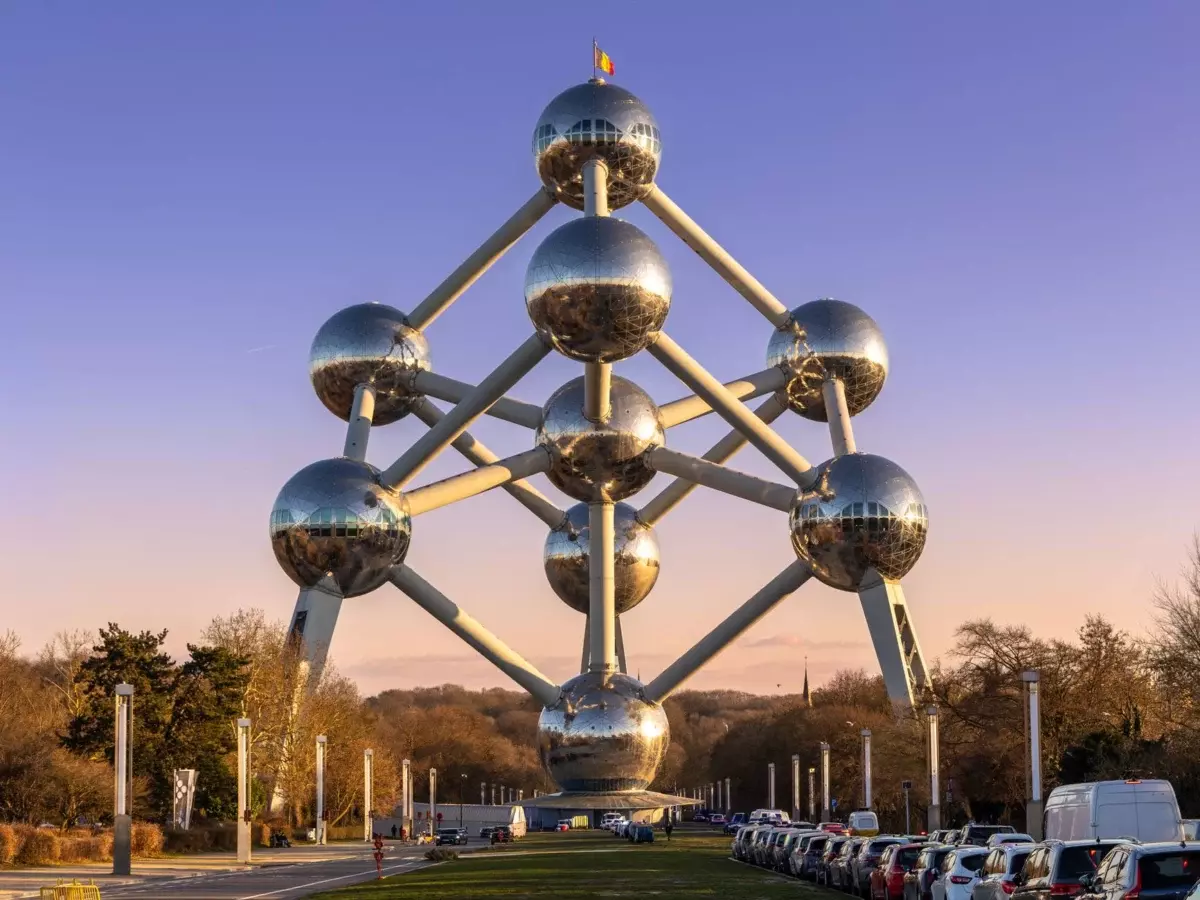
In Brussels, the State of the European Union speech is not treated like a routine institutional ritual. It is a yearly power signal from the European Commission, a moment when Ursula von der Leyen can elevate one issue and quietly bury another. In the political ecosystem of the European Union and the glass-and-granite corridors of Brussels, even a single sentence can feel like a forecast of budgets, legislation, and institutional momentum.
Why the State of the European Union speech matters so much
The logic is simple, but the consequences are not. A speech does not pass laws; the European Parliament and the Council of the European Union still have to negotiate, amend, and approve the real text. But in Brussels politics, attention is currency. The State of the European Union speech tells commissioners, member states, and lobbyists which files are moving from the margins to the center of the machine.
That is why companies, trade groups, and non-governmental organizations treat the speech like a litmus test. If a campaign objective appears in the address, it suggests that months of meetings, letters, and briefings may have cut through. If it does not, advocates often read the silence as a warning that their issue still lacks political oxygen.
‘A mention is a signal, a specific commitment is politically meaningful, and a commitment with a deliverable and timetable is the real outcome.’
That hierarchy captures the brutal elegance of EU policymaking: words matter, but only because they can shape what happens next.
The Brussels lobbying game before the speech
Every year, the run-up to the speech turns the EU Quarter into a contest of access and visibility. Some groups play the conventional Brussels game of letters, meetings, and carefully worded briefs. Others rely on spectacle. Posters urging the Commission president to include animals in her speech are not just publicity; they are a message to the institutional agenda-setter that someone is watching.
Big industry voices do the same thing, just with a different tone. A coalition calling for a Mario Draghi-style report on fossil fuels is really asking for a broader frame: competitiveness, industrial strategy, and the future cost of energy. The Mario Draghi name carries weight because it signals technocratic seriousness and scale. Meanwhile, sectors such as the alcohol industry, the chemicals industry, and public health advocates are all trying to make sure their priorities survive the final drafting process.
What each camp really wants
- Animal welfare groups want political recognition that can lead to concrete proposals, not just compassionate language.
- Public health advocates want substance, especially after years of fighting for attention in crowded policy debates.
- Industry associations want competitiveness framed as a central EU mission, not an afterthought.
- Tech and innovation lobbies want the EU to sound confident about artificial intelligence, investment, and regulation that enables growth.
These are not random asks. They are attempts to define what kind of Europe the Commission wants to project: protective, ambitious, cautious, or expansionist.
Why a single sentence can have real consequences
One of the sharpest reminders of the speech’s power came in 2023, when von der Leyen announced an anti-subsidy probe into Chinese electric vehicles. That was not merely a line for the record. It signaled that trade policy, industrial strategy, and geopolitical competition were now colliding in a visible way. The fallout reached far beyond the chamber.
For sectors like electric vehicle manufacturing and the broader relationship with China, the speech became a market-moving event. That is the uncomfortable truth behind the pomp: a carefully chosen phrase in the annual address can affect investor expectations, trigger retaliatory pressure, and shift the policy conversation for months.
That is also why the speech matters to the advocates pushing for issues such as animal welfare, public health, and fossil fuel transition policy. Once an issue is named at the top of the institutional hierarchy, it becomes harder to pretend it is peripheral.
How the speech is actually written
For all the lobbying around it, the drafting process remains tightly controlled. According to a former Commission cabinet member, the president keeps her cards very close to her chest, and only a handful of people are involved in the final writing. That secrecy matters because it limits direct influence: by the time outsiders see the speech, the room for last-minute rewriting is tiny.
This is where many advocates misread Brussels. Access is valuable, but access is not the same as authorship. The speech may reflect years of pressure from the outside, yet the final text is still a highly curated political object. The real art of lobbying is understanding that the speech is one stage in a much longer policy cycle, not the cycle itself.
That is why some groups, especially smaller ones with fewer resources, focus on concrete outcomes rather than symbolic victories. They know that a mention without a mandate fades quickly, while a mention with a timetable can shape legislation, budgets, and implementation.
What to watch after the applause ends
The most important question is not who gets name-checked. It is whether those names are attached to deliverables. Will the Commission follow a speech reference with a proposal, a budget line, a consultation, or a formal initiative? Or will the line remain a beautifully phrased signal that satisfies the press but changes little on the ground?
That question will matter especially for sectors that are politically exposed: climate and energy, health, digital regulation, and industrial competitiveness. The presence of tech lobbyists around the speech reflects that reality. If Europe wants to look serious about growth, then its rhetoric on innovation must align with policy on investment, standards, and regulatory certainty.
For now, the smartest reading of the State of the European Union speech is this: it is not the policy itself, but it is often the clearest preview of where the policy engine will start to turn. And in a system where priorities compete for every available hour, that preview can determine who gets heard next by the Commission president, who gets a hearing in the European Parliament, and which files make it onto the crowded agenda of the Council of the European Union.
FAQs about the State of the European Union speech
Why do lobbyists care so much about the State of the European Union speech?
Because the speech reveals what the Commission leadership wants to elevate. In Brussels, elevation equals momentum, and momentum can eventually become legislation, funding, or enforcement.
Does a mention in the speech guarantee action?
No. A mention is only a signal. Real change comes when the signal is followed by a proposal, a deadline, and political support across the institutions.
Why do NGOs and industry groups compete for the same speech?
Because the speech is one of the few moments when the Commission president speaks directly to the whole EU political system. Whoever shapes that message can shape the debate that follows.
The line that will matter next year
The deeper story is not that Brussels is obsessed with one speech; it is that the speech exposes how power really works in the EU. Sectors with patience, evidence, and a coherent message can sometimes turn a passing reference into a policy pathway. Others will get a sentence and nothing more. The next big shift may be less about which topic is mentioned and more about whether von der Leyen uses the State of the European Union speech to attach promises to deadlines. That is where rhetoric stops being theatre and starts becoming governance.
Frequently Asked Questions
Why do Brussels insiders care so much about a speech that does not create law by itself?
Because in Brussels, agenda-setting is often more important than formal legislation at first. The State of the European Union speech signals which topics the Commission wants to prioritize, which in turn influences negotiations, drafting, media coverage, and lobbying. A topic mentioned there is more likely to gain momentum in the months that follow.
How can a single sentence in the speech affect markets or policy so quickly?
A line in the speech can change expectations about future EU action. If the Commission hints at a probe, new regulation, or tougher stance on trade, companies, investors, and governments may immediately adjust their plans. That is especially true in sectors like electric vehicles, energy, or tech, where policy signals can move prices and strategy before any law exists.
Why do lobbyists push so hard before the speech instead of after it?
Because the draft is shaped before the speech is delivered. Once the president takes the podium, the major framing choices are usually already set. Lobbyists therefore try to influence the wording in advance, hoping to secure a mention, a timetable, or a commitment. After the speech, their room to change the broad political signal is much smaller.
What is the difference between a mention, a commitment, and a deliverable in this context?
A mention means the issue is on the radar. A commitment means the Commission is signaling intent to act. A deliverable means there is a concrete next step, such as a proposal, review, or deadline. In Brussels terms, the third level matters most, because it shows the issue has moved from rhetoric into the policy pipeline.
Why do some campaigns use public spectacle instead of traditional lobbying?
Because the speech is also about visibility, not just access. Public actions, posters, or coordinated campaigns can remind the Commission that certain groups are watching closely and expect a response. Spectacle is useful when a group lacks direct influence or wants to create media pressure that makes it harder for policymakers to ignore their demands.
Why was the 2023 electric vehicle announcement such a strong example of the speech's power?
It showed that the speech can signal a policy shift with immediate geopolitical and economic consequences. The announcement on Chinese electric vehicles was not just symbolic; it pointed toward trade enforcement, industrial protection, and a tougher EU stance. That kind of statement can reshape market expectations and force governments and companies to react quickly.