
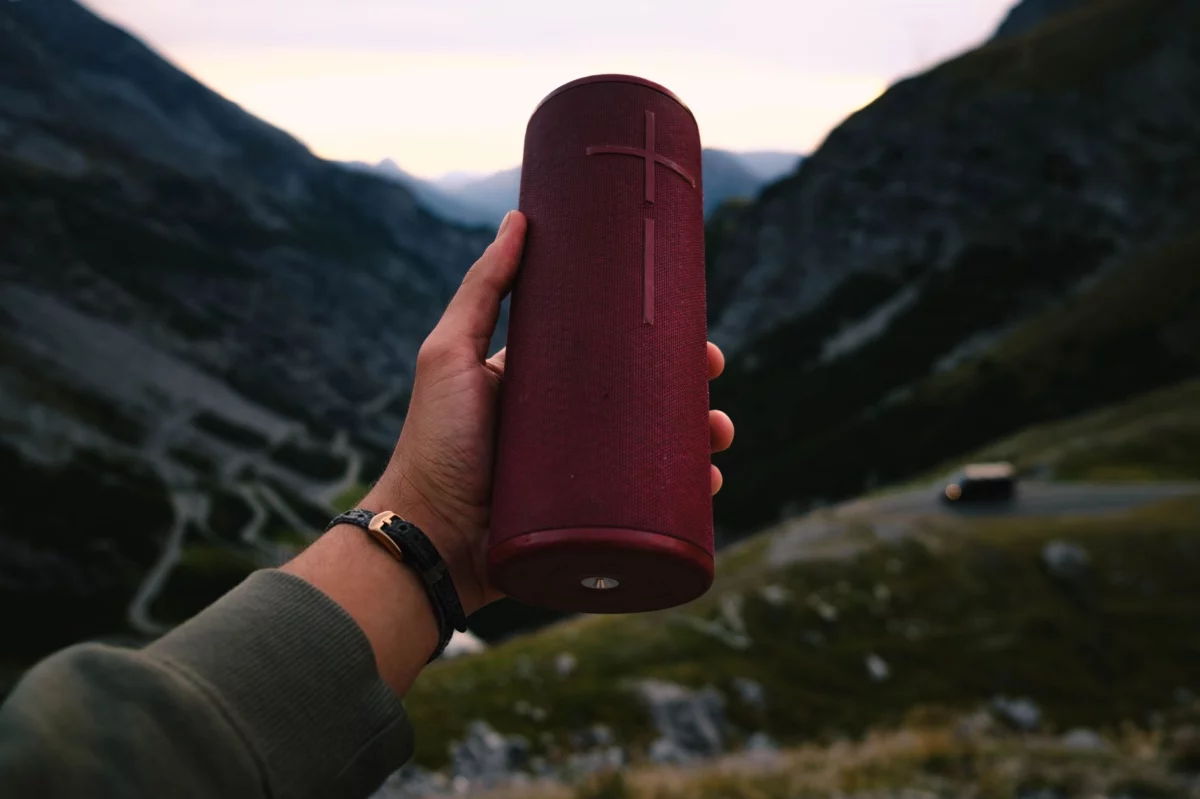
The best Bluetooth speaker 2026 is no longer just the loudest box on the shelf. The category now stretches from pocket-sized wireless speakers to room-filling loudspeakers and even hybrid smart speakers that can move from kitchen counter to patio with little compromise. After testing portable speakers across the size spectrum, one thing becomes clear: the right pick depends less on brand prestige and more on how, where, and at what volume you actually listen.
That matters because Bluetooth audio has matured. Better driver tuning, smarter app controls, stronger batteries, and more capable audio codecs have pushed performance much higher than it was a few years ago. But codecs such as aptX and LDAC only help when the phone or laptop supports them, and they cannot fix poor acoustics. A well-designed speaker cabinet, carefully tuned transducers, and sensible equalization still do most of the real work.
For the underlying standard, the Bluetooth Special Interest Group remains the best authoritative reference. But for shoppers, the more useful question is simpler: which speaker makes the most sense for your room, your trips, and your budget?
What a Bluetooth speaker really is in 2026
A modern Bluetooth speaker is a compact audio system built around wireless connectivity, onboard amplification, driver tuning, and battery management. The practical difference between a cheap model and a premium one is not merely output. It is the entire chain: enclosure design, bass response, codec support, latency, durability, and how the speaker behaves at low and high volume.
Look closely and you will see how much engineering sits behind the marketing. The shell of a speaker is part of its acoustics, which is why the shape of the loudspeaker enclosure matters. The battery is also central to the experience, since a rechargeable battery determines not only runtime but also long-term service life. And if you plan to use the speaker outside, the IP code tells you more than glossy product photos ever will.
That is also why the phrase “portable speaker” covers such different products. Some are meant for a desk or backpack. Others are built to compete with a mini boombox. Still others, especially from Sonos, blur the line between a travel speaker and a home audio device. The right choice is usually obvious once you decide whether you care most about portability, fidelity, ruggedness, or ecosystem.
How to evaluate the best Bluetooth speaker in 2026
Spec sheets are useful only when you know what to ignore. A speaker with a huge battery and flashy wattage can still sound thin. A smaller model with a well-tuned driver array can sound fuller, especially at moderate listening levels. The smartest buyers focus on a few practical categories instead of chasing one impressive number.
| Use case | What matters most | What to prioritize |
|---|---|---|
| Pocket travel | Weight and convenience | Compact body, clear mids, simple controls, strap or clip |
| Desk and bedroom | Balance at low volume | Clean vocals, modest bass, easy app EQ |
| Patio and beach | Durability and battery life | High IP rating, USB-C charging, rugged shell |
| Party and large rooms | Output and dispersion | Bigger drivers, stereo pairing, strong low end |
Sound quality: listen for balance, not just bass
Marketing language tends to overstate bass, but too much bass can smear vocals and make small speakers sound muddy. The better test is whether the speaker keeps voices intelligible, drums tight, and cymbals controlled across different genres. If a speaker adds a sub-bass illusion without turning everything into a thump, it is doing something right. That is why careful tuning often matters more than a larger passive radiator or a longer spec sheet.
Pay attention to how the speaker behaves at lower volumes too. Some products only sound exciting when pushed hard, while others remain coherent and musical at casual listening levels. For many buyers, that second trait matters more than headline output. A good speaker should sound balanced in a quiet kitchen, not only on a noisy beach.
The strongest portable speaker is rarely the one with the biggest bass port; it is the one whose tuning still sounds believable at the volume you actually use.
Durability and battery life: the real-world filters
Outdoor buyers should treat waterproofing as a requirement, not a bonus. An IP rating is not a marketing flourish; it is one of the few measurable clues about whether a speaker can handle rain, dust, or a poolside spill. For travel, also look at the charging port. USB-C has become the sensible baseline, because it reduces cable clutter and makes topping up easier on the move.
Battery claims deserve skepticism. Real listening time depends on volume, codec, and room temperature. A speaker that advertises marathon endurance at moderate playback may still drain quickly if you keep the bass boosted and the volume near maximum. The best portable models strike a balance between runtime, recharge speed, and battery health over many cycles.
Connectivity and ecosystem: where the hidden value lives
Most buyers focus on Bluetooth range, but app support, stereo pairing, and source compatibility can matter more. If you frequently switch between phone, tablet, and laptop, a stable connection and quick reconnection are worth real money. If you care about video sync, low-latency behavior becomes important too, especially when the speaker doubles as a casual TV companion.
Codec support is still useful, but only in context. aptX and LDAC can improve the chain on supported devices, yet they are not universal solutions. For many users, the difference between a basic stream and a premium codec is smaller than the difference between weak tuning and good tuning. This is why buying decisions should begin with listening priorities, then move to features.
Which brands make the strongest case
JBL: the safe bet for energy and outdoor use
JBL has built a reputation on energetic tuning, rugged designs, and a lineup that scales from tiny clip-on speakers to party-oriented monsters. That makes the brand easy to recommend for buyers who want punch, portability, and a familiar sound signature. In practical terms, JBL often wins when the priority is having enough volume for a picnic, beach day, or small gathering without fuss.
The tradeoff is that JBL’s more excited tuning is not always the most neutral. If your listening habit is mostly podcasts, acoustic music, or background audio at low volume, another brand may feel more relaxed. But for everyday use where fun matters as much as accuracy, JBL remains one of the strongest all-around names in portable audio.
Sonos: best when the speaker is part of a larger home system
Sonos is the brand to watch if you care about moving a speaker between rooms while staying inside a broader home ecosystem. Its appeal is not only sound quality but also integration, app control, and multi-room audio. That makes Sonos especially attractive to users who want one device for the patio today and the living room tomorrow.
Sonos tends to make more sense for people who value seamless software and whole-home listening than for buyers hunting the cheapest portable option. The premium is easier to justify if you already live in the ecosystem. If not, the value equation becomes more personal.
Marshall: style with a distinct tuning philosophy
Marshall Amplification brings an instantly recognizable aesthetic into the speaker market, and that design language matters because many shoppers do care about how a speaker looks on a shelf or side table. The brand often leans into a warmer, more characterful presentation that suits rock, indie, and casual listening.
Marshall is not always the most feature-rich option, but it can be one of the most satisfying when industrial design and sound signature are both part of the buying decision. If you want a speaker that feels like an object, not just a gadget, Marshall has a clear identity.
Bose, Ultimate Ears, and Anker: three different kinds of value
Bose is often the choice for listeners who want smooth, balanced sound and broad dispersion in a compact package. It usually aims for easy listening rather than aggressive bass theatrics. That makes it appealing in apartments, bedrooms, and office environments where a harsh top end would be tiring.
Ultimate Ears remains a favorite in the rugged portable category because the brand understands how to combine durability, simple controls, and surprisingly big sound from a small body. Meanwhile, Anker Innovations has helped turn value into a serious competitive category, especially for shoppers who want credible battery life and respectable tuning without paying premium-brand prices.
Best Bluetooth speaker by use case
For pocket travel and commuting
If the speaker spends most of its life in a backpack, purse, or day bag, portability should beat everything else. Look for a compact shape, durable exterior, and a sound profile that stays clear when the speaker is not placed on a perfect shelf or table. Tiny speakers often lose bass first, so a good one should still preserve vocal clarity and rhythm without pretending to be a party box.
In this class, convenience features matter a lot. A useful strap, reliable buttons, and quick charging can be more important than exotic codec support. This is the category where form factor really does define the experience.
For apartments, bedrooms, and desk listening
At close range, the best Bluetooth speaker is usually the one with the cleanest midrange and the least fatiguing treble. You want detail without sharpness. Because these speakers are often used at modest volume, a polished tuning curve and a sensible app EQ can improve satisfaction more than raw output.
This is also where design can matter more than expected. A speaker that looks good on a shelf and disappears into daily routine tends to get used more often. In that sense, Sonos and Marshall often appeal for different reasons, while Bose usually wins over listeners who simply want an easy, non-offensive sound.
For beaches, patios, and travel
Outdoor use changes the ranking. You want a speaker that can survive dust, splashes, and uneven surfaces while still cutting through ambient noise. That means prioritizing an IP rating, sturdy buttons, and enough acoustic headroom to stay audible in open air. If a speaker can reach a high sound pressure level without breaking up, it is more likely to work outside than a product built for bedrooms.
This is often the JBL and Ultimate Ears sweet spot, with Anker as a value contender. The deciding factor is usually not just volume, but how confidently the speaker holds together when it is not sitting in a perfect acoustic corner.
For parties and large spaces
Once the room gets bigger, bass extension and dispersion become the real test. A larger speaker may use more substantial drivers and sometimes an added subwoofer-style low-frequency section to move more air. Stereo pairing can help too, but only if the source and placement are sensible. At this scale, a speaker that merely sounds loud is not enough; it should also sound controlled.
For parties, it is easy to overvalue peak volume and undervalue consistency. A speaker that stays clean and rhythmic across many hours is more useful than one that sounds impressive for fifteen minutes and then gets harsh. This is also where battery management becomes visible, because sustained output is harder on portable hardware than casual listening.
Common mistakes buyers still make
- Buying for bass alone. Deep bass is fun, but it can bury vocals and reduce clarity if the speaker is too small for the job.
- Ignoring source compatibility. If your phone does not support the codec you are paying for, the benefit may be smaller than expected.
- Overlooking the battery strategy. A sealed product may be convenient, but a battery that ages poorly shortens the speaker’s useful life.
- Using waterproofing as a substitute for durability. An IP rating helps with water and dust, but it does not guarantee drop resistance or long-term reliability.
- Assuming smart features always help. A speaker with voice assistant support is not automatically better than a simpler model if you only need Bluetooth playback.
These mistakes are common because spec sheets emphasize easy-to-market numbers. Real listening is messier. The best choice is usually the one that matches your actual habits instead of your aspirational ones.
FAQ
Is a more expensive Bluetooth speaker always better?
Not always. Higher prices usually buy better tuning, stronger materials, more features, or a better app, but the value depends on your use case. A midrange model that fits your room and listening habits can be better than a premium speaker that is too large, too loud, or too complicated.
Do aptX or LDAC make a real difference?
Sometimes, but not universally. aptX and LDAC can improve codec quality on compatible devices, yet speaker tuning, driver quality, and room placement usually have a larger effect on what you hear. If your phone or laptop does not support the codec, the benefit disappears.
What IP rating should I look for?
For outdoor or poolside use, a strong IP rating is worth prioritizing because it signals resistance to water and dust. The exact number matters less than the fact that the rating exists and is appropriate for your environment. If you travel often, a rugged shell and protected ports are just as important.
Is a smart speaker the same as a Bluetooth speaker?
No. A smart speaker usually adds Wi-Fi, voice control, and ecosystem features, while a Bluetooth speaker focuses on direct wireless playback from a nearby device. Some products do both, but the tradeoffs are different, especially when portability is the priority.
The next battleground for portable audio
The next few years will likely reward speakers that do three things well at once: sound better, last longer, and become easier to live with. That may sound obvious, but it is still harder than it looks. Better battery chemistry helps, yet sealed designs still make repair and replacement difficult. More advanced wireless features may improve convenience, but they will not matter if the speaker feels fragile or the app becomes the weakest link.
The most interesting shift to watch is how Bluetooth speakers overlap with broadcast-style sharing, richer ecosystem control, and more repair-conscious design. If the industry gets that balance right, the best Bluetooth speaker may start to look less like a single box and more like a flexible audio tool that can move from solo listening to shared listening without changing hardware. The unanswered question is whether manufacturers will compete on longevity and serviceability as aggressively as they now compete on bass and brand image. That answer will define what “best” means in the next generation of portable sound.
SEO Data
Primary Focus Keyphrase: best Bluetooth speaker 2026
Related Keyphrase 2: portable Bluetooth speaker
Related Keyphrase 3: best Bluetooth speaker for outdoor use
Related Keyphrase 4: what is the best Bluetooth speaker for home use?
Related Keyphrase 5: wireless speaker buying guide
Primary Keyphrase Synonyms: top Bluetooth speaker, best portable speaker, wireless audio speaker, portable wireless speaker, Bluetooth audio speaker
SEO Title: Best Bluetooth Speaker 2026: JBL, Sonos, Marshall, and More Compared
Meta Description: Best Bluetooth speaker 2026 guide: compare JBL, Sonos, Marshall, and more by sound, battery life, durability, app features, and real-world use.
URL Slug: best-bluetooth-speaker-2026
Image Filename: best-bluetooth-speaker-2026.jpg
Image ALT Text: A lineup of portable Bluetooth speakers in different sizes on a studio table
Image Title: Bluetooth speakers from pocket to party size
Image Caption: Portability, battery life, and tuning decide which speaker fits your space.
Search Intent: Informational
Frequently Asked Questions
¿Un códec como aptX o LDAC siempre se nota en la calidad de sonido?
No necesariamente. Solo aportan una mejora real si el móvil, el portátil y el propio altavoz los soportan de forma compatible. Además, un buen códec no compensa una mala sintonización, un gabinete flojo o unos drivers mediocres. En muchos casos, la diferencia frente a SBC será pequeña si el altavoz ya está bien afinado.
¿Un altavoz con más vatios siempre sonará mejor o más fuerte?
No. Los vatios por sí solos dicen poco sobre cómo se oye el altavoz. Un modelo pequeño con buena acústica puede sonar más lleno y limpio a volumen medio que otro mucho más potente pero mal ajustado. Importan más el diseño del recinto, la respuesta en graves, la dispersión y cómo mantiene el equilibrio al subir el volumen.
¿Qué significa realmente el código IP y por qué importa tanto en un Bluetooth speaker?
El código IP indica resistencia al polvo y al agua, algo clave si piensas usar el altavoz en la playa, la piscina o la terraza. Aun así, no significa que sea invulnerable: puede resistir salpicaduras o lluvia, pero no necesariamente inmersión prolongada, arena fina o golpes. Conviene leer el número exacto, no solo la etiqueta “resistente al agua”.
¿Por qué algunos altavoces suenan peor cuando los usas a volumen bajo?
Muchos están afinados para impresionar cuando se les exige, con graves y agudos exagerados que funcionan mejor alto. A volumen bajo, esa misma ecualización puede hacer que voces e instrumentos pierdan cuerpo. Los modelos mejor diseñados mantienen la claridad y el balance incluso en una cocina tranquila o en una mesa de noche.
¿Tiene sentido elegir un modelo híbrido tipo Sonos si quiero algo portátil?
Sí, pero solo si de verdad vas a aprovechar su doble uso. Estos altavoces suelen ser más útiles cuando quieres uno para casa y, de forma ocasional, llevarlo a otra habitación o al patio. A cambio, suelen ser menos ligeros, menos rudos y más dependientes de su ecosistema que un altavoz portátil puro.