
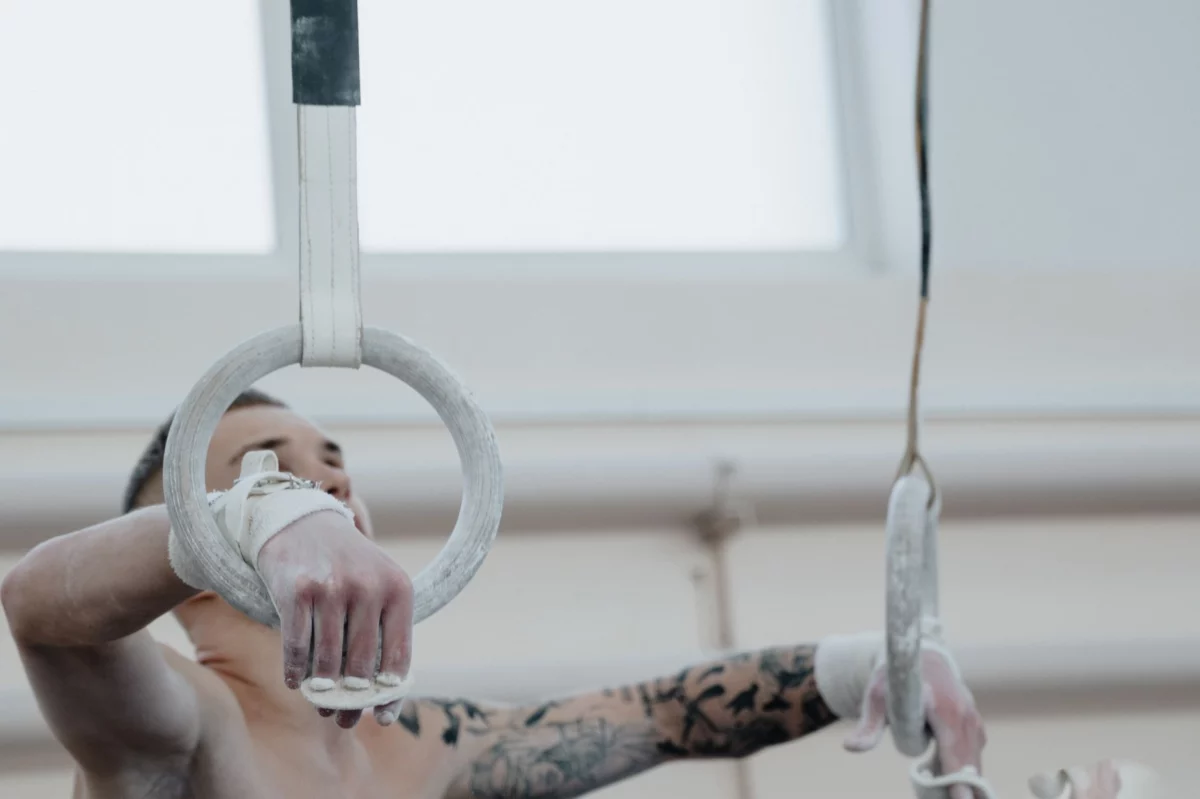
A year after giving birth, Alice Kinsella’s gymnastics comeback after pregnancy is about far more than one competition. It sits at the intersection of artistic gymnastics, Team GB, and the still-unfolding debate over how elite sport supports athletes through pregnancy and the postpartum period. Her return is a practical test of whether a highly technical sport can make room for motherhood without lowering the standard of performance.
That matters because gymnastics is not a sport where you can simply ease back in and rely on experience alone. Routines on the balance beam, uneven bars, floor exercise, and vault demand explosive force, exact timing, and repeated landings. Even a small loss of confidence can change a routine. For that reason, the conversation around Kinsella’s return is also a conversation about British Gymnastics, women in sports, and the performance systems that decide who gets another chance.
Why the Alice Kinsella gymnastics comeback after pregnancy matters
Kinsella is already known for competing on major stages, including the 2020 Summer Olympics and the Commonwealth Games. That experience gives her a rare advantage: she knows what international pressure feels like. But motherhood changes the equation. The question is no longer whether she has elite ability; it is whether her body, training load, and competition rhythm can be rebuilt safely and consistently.
In International Gymnastics Federation-governed competition, selection is brutally practical. Gymnasts are judged on difficulty, execution, composure, and the ability to deliver under pressure. A comeback after childbirth therefore has to satisfy both medical reality and scoring reality.
What changes after pregnancy in elite gymnastics
The postpartum return to elite gymnastics is shaped by several overlapping factors. Some are physical: core stability, pelvic floor function, joint tolerance, and the ability to absorb impact. Others are logistical: sleep disruption, feeding schedules, travel, and the mental shift from athlete-only identity to athlete and parent. None of these issues mean a gymnast cannot return; they simply mean the return needs structure.
Sports medicine practitioners usually focus on symptoms and function rather than the calendar alone. That approach is especially important in gymnastics, where the body is asked to tolerate not just straight-line running or lifting but hyperextension, twisting, and repeated takeoffs. A gymnast may look ready in warm-up yet still be rebuilding the tolerance needed for a full set.
| Apparatus | Comeback priority | Why it matters |
|---|---|---|
| Vault | Explosive power and landing control | High-impact takeoffs and landings can expose gaps in lower-body tolerance. |
| Uneven bars | Grip, timing, and swing rhythm | The athlete must trust flight phases and release moves under fatigue. |
| Balance beam | Confidence, precision, and core control | Small errors are magnified by the narrow surface and higher risk of hesitation. |
| Floor exercise | Repeated tumbling capacity | Multiple landings test endurance and shock absorption over a full routine. |
In gymnastics, the hardest skill after pregnancy is often not the first dismount. It is learning to trust the body again.
The coaching challenge: build capacity before chasing difficulty
Good comeback planning starts with the basics: load management, progressive strength work, and honest communication between athlete, coach, and clinician. A rushed return can turn a promising comeback into a cycle of pain, fear, and interrupted training. The better model is deliberate progression, where each stage proves that the previous one has been mastered.
That is why the smartest coaching staffs use exercise physiology and sports medicine together. The goal is not to protect the athlete from effort. It is to make effort repeatable. For readers interested in practical planning, this is where a site’s internal guides on female athlete health and sports recovery can add context.
There is also a psychological layer. Postpartum athletes often describe wanting to prove they are still competitive while also feeling the weight of time away. That tension can sharpen focus, but it can also create pressure to do too much too soon. In a sport as unforgiving as gymnastics, confidence must be earned through repetition, not declarations.
Why this story matters beyond one athlete
Kinsella’s return can reshape expectations inside British Gymnastics and across elite sport more broadly. When a high-profile gymnast returns after childbirth, it signals to sponsors, coaches, and younger athletes that motherhood is not necessarily the end of an international career. That does not erase the very real barriers around childcare, funding, and selection pressure, but it does expand the range of what is seen as possible.
The wider cultural significance sits inside the history of women in sports. For decades, many systems were built around the assumption that peak performance and motherhood were incompatible. Recent years have shown that assumption is too narrow. Elite sport can, and should, adapt around life stages rather than forcing athletes to choose only one identity.
Still, experts disagree on how much change is realistic. Some argue that post-childbirth comebacks will remain rare because gymnastics rewards very specific body types, training ages, and volume of repetition. Others point out that improved medical support, more flexible pathways, and a broader understanding of performance longevity can make these returns more common. Both views contain truth: the path is hard, but it is no longer unimaginable.
What to watch next in the comeback
The most revealing indicators will not be headline scores alone. Watch for steady landings, fewer form breaks, and whether Kinsella can link multiple routines without the body showing overload. In a comeback phase, a clean set on one apparatus may matter more than chasing difficulty across all four. Consistency is the real currency.
If she can build routines around manageable difficulty and still look composed, she may become a case study in the all-around athlete rebuilding after childbirth. If the return becomes event-specific instead, that would still be significant: it would show that elite gymnastics can reward smart reinvention rather than demanding an all-or-nothing comeback.
FAQs on returning to gymnastics after pregnancy
How does a gymnast return after pregnancy?
Usually through a staged process: medical clearance, basic strength and mobility work, controlled impact, then routine rebuilds. The order matters more than the speed.
Is the postpartum return to elite gymnastics always long?
No. Timelines vary widely. The right pace depends on recovery, previous injury history, and how the athlete responds to training load, not on a universal clock.
Why is beam often the hardest event after childbirth?
Balance beam combines precision, balance, and confidence on a narrow surface. If trust is even slightly off, the event becomes much harder to execute cleanly.
Can mothers compete at the highest level again?
Yes, but it usually requires excellent support, realistic scheduling, and patience. The best examples show that performance can return when recovery is treated as a process, not a deadline.
What Alice Kinsella’s return may change next
The real story is not whether one gymnast can come back; it is whether the sport learns from how she does it. If Kinsella’s return proves stable, more federations may treat parenthood as a manageable phase of a career, not a permanent exit. If it exposes gaps in support, those gaps may become harder to ignore.
That leaves one important question for the seasons ahead: will elite gymnastics build systems that make the postpartum period compatible with high performance, or will only the most exceptional athletes be able to force the door open on their own?
SEO DATA: Primary Focus Keyphrase: Alice Kinsella gymnastics comeback after pregnancy; Related Keyphrase 2: postpartum return to elite gymnastics; Related Keyphrase 3: how female gymnasts return after pregnancy; Related Keyphrase 4: how does a gymnast return after pregnancy; Related Keyphrase 5: return to competition after childbirth; Primary Keyphrase Synonyms: post-pregnancy gymnastics comeback, returning to gymnastics after giving birth, postpartum return to competition, mother-athlete comeback, post-baby return to elite sport; SEO Title: Alice Kinsella Gymnastics Comeback After Pregnancy: Why Her Team GB Return Matters; Meta Description: Alice Kinsella gymnastics comeback after pregnancy reveals the realities of elite recovery, support systems, and a Team GB return to form.; URL Slug: alice-kinsella-gymnastics-comeback-pregnancy; Image Filename: alice-kinsella-gymnastics-comeback-pregnancy.jpg; Image ALT Text: Team GB gymnast warming up on the balance beam inside an indoor arena; Image Title: Team GB Gymnast Return After Pregnancy; Image Caption: A focused Team GB gymnast prepares for a competition comeback after maternity leave; Search Intent: Mixed informational and news/current event
Frequently Asked Questions
Why is Alice Kinsella’s return important beyond her own career?
Her comeback tests whether elite gymnastics can genuinely accommodate motherhood without treating it as a career-ending interruption. Because Team GB selection is based on performance, not sentiment, her return becomes a real-world example of whether British sport can support postpartum athletes while still demanding world-class standards.
Is a year after giving birth automatically enough time to return to elite gymnastics?
No. Recovery after childbirth is not measured by the calendar alone. In gymnastics, readiness depends on core control, pelvic floor function, impact tolerance, confidence, and the ability to repeat difficult skills under fatigue. A gymnast can look fit early on and still not be ready for competition-level landings and twisting.
Which apparatus is usually most challenging in a postpartum gymnastics comeback?
Vault and floor exercise are often the most demanding because they require explosive power and repeated high-impact landings. Beam can be mentally and technically difficult because hesitation is punished immediately, while bars demands timing and rhythm. The hardest part is often rebuilding trust in the body, not just re-learning the skills.
Does returning to competition after pregnancy mean lowering the standard for selection?
No. The article makes clear that comeback athletes still have to meet the same practical selection demands: difficulty, execution, composure, and consistency under pressure. The goal is not to change the standard, but to create a training and recovery system that gives postpartum athletes a fair chance to reach it safely.
What makes the coaching approach different for an athlete coming back after childbirth?
The emphasis shifts toward gradual load management, strength rebuilding, and honest symptom monitoring rather than rushing back to difficulty. Good coaching coordinates with sports medicine so training is repeatable, not just intense. That helps prevent pain cycles, confidence loss, and interrupted preparation, which are especially costly in gymnastics.