
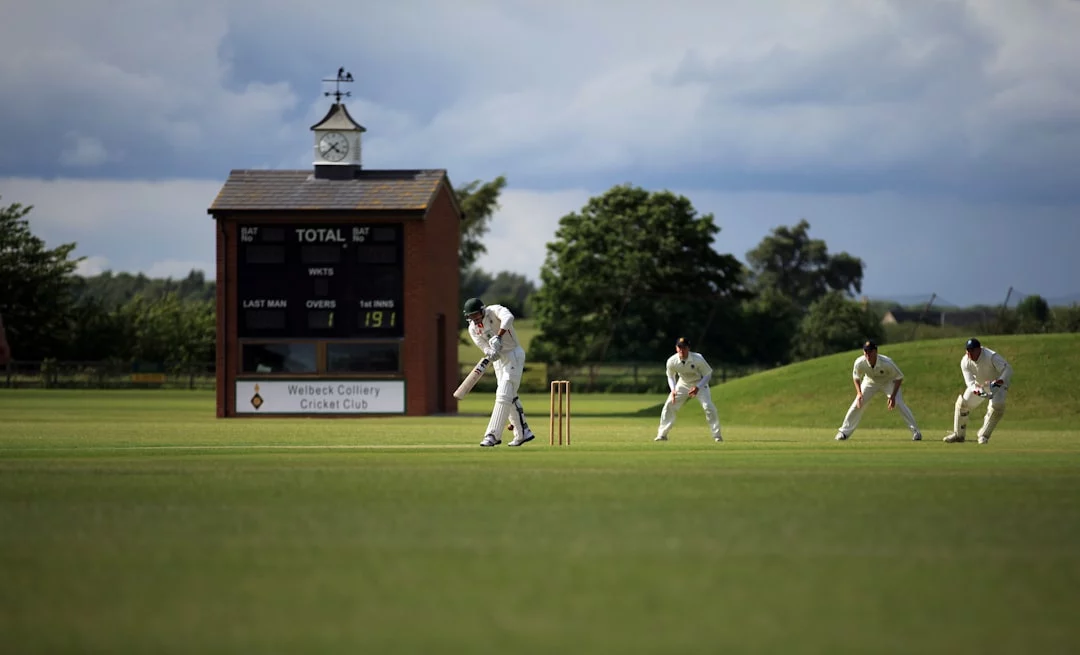
England’s push for a two-day Test victory in the Test cricket final against the Pakistan national cricket team at Edgbaston Cricket Ground was always going to be a story about time, pressure, and control. When rain stepped in, it did more than stop play: it interrupted England’s momentum, protected Pakistan from further damage, and reminded everyone that in cricket, weather can be as decisive as a fast bowler. For anyone tracking England vs Pakistan final Test at Edgbaston, the key question is not just what the conditions did, but how they changed the tactical balance of the match.
How Rain Changed England’s Two-Day Push Against Pakistan at Edgbaston
The result sits at the intersection of modern aggression and old-fashioned Test-match reality. Under Ben Stokes and the broader ideas associated with Bazball, England have made a habit of forcing tempo, scoring quickly, and trying to create results from positions that once would have been managed conservatively. But weather does not care about philosophy. It punishes the side chasing a result, rewards patience, and often turns a decisive-looking session into a game of lost overs and recalculated plans.
Why a two-day win matters in modern Test cricket
A two-day victory is rare because it requires near-perfect execution. Early wickets are essential, the batting side must score briskly, and the captain must declare with enough time left to bowl the opposition out twice. In other words, the win is not simply about dominance; it is about compressing a five-day format into a narrow window. That makes it one of the clearest signs that a team has seized control of a match.
England’s recent Test identity has leaned into that challenge. With players such as Joe Root stabilising the middle order and the captaincy framework built around pressure and intent, the side often tries to turn a long game into a short one. But a rain delay immediately changes the equation. Even a single lost session can force a side to slow down, defend more deeply, or settle for a safer target than it initially had in mind.
Time is the real currency
In declaration cricket, time is the scarcest resource. England may dominate the scoreboard, but if the weather removes overs from the contest, the scoreboard matters less than the clock. That is why weather forecasts are now part of elite match planning. Teams and analysts increasingly treat rainfall as a strategic variable, not just a nuisance.
Edgbaston and the conditions puzzle
Edgbaston Cricket Ground is familiar territory for players and fans, but Birmingham conditions can still swing sharply from helpful to hostile for batting and bowling alike. Overcast skies often encourage seam bowling, while moisture on the surface can aid movement off the pitch. When the rain arrives, however, the tactical value of those conditions collapses into uncertainty. A bowler who was just finding rhythm may be taken off. A batter who was under pressure gets time to reset.
That is why England’s aggressive plan is so dependent on uninterrupted play. Fast-scoring cricket only works when the available overs remain intact. Once the weather intervenes, the side pressing for victory must choose between preserving wickets and preserving ambition.
What Pakistan gained from the interruption
For Pakistan, the rain offered something better than escape: it offered recalibration. A team under pressure can use a delay to reassess matchups, strengthen defensive partnerships, and refocus on the basics of survival. In Test cricket, survival is often the first step toward resistance. If England were trying to create a collapse, Pakistan needed only enough time to deny it.
This is where experience matters. The International Cricket Council format still rewards teams that can absorb pressure across long periods. The interruption may have reduced England’s immediate chance of a two-day win, but it also increased the value of each remaining session. Pakistan’s batting, bowling changes, and fielding intensity would all be judged against a tighter margin for error once play resumed.
What England can learn from a weather-stopped charge
The broader lesson is not that aggressive cricket fails when it rains. It is that aggression must be paired with adaptability. England’s recent success has come from moving faster than opponents expect, yet the best modern Test teams know how to change gears when the match situation changes.
- Plan for interruption. Build declarations around likely rain windows, not ideal ones.
- Keep scoring options open. One-dimensional slogging is vulnerable when overs are lost.
- Back bowlers who can exploit the new ball. A restart often creates fresh seam opportunities.
- Value partnerships. A shortened match increases the importance of every stand.
Those principles matter because the weather does not simply delay cricket; it reshapes risk. Official match updates and playing conditions are best tracked through the England and Wales Cricket Board and the ICC, while rain probability in Birmingham is always worth checking against the Met Office. In a format as sensitive as Test cricket, those external factors are part of the contest.
Why the interruption also matters for the wider game
Rain-halted matches expose a structural issue in Test cricket: its tactical beauty depends on time, yet time is increasingly fragile. A shorter game can be thrilling, but it can also distort strategy. Coaches, selectors, and broadcasters all want decisive cricket, but the sport’s deepest narratives often emerge from attrition, not haste. When weather short-circuits a match, the audience loses not just overs but the chance to see whether pressure would have produced a collapse or a fightback.
That uncertainty is part of what makes Test cricket enduring. The same conditions that frustrate supporters can also reveal a team’s temperament. England’s challenge was to keep the same intensity after the rain; Pakistan’s challenge was to turn delay into discipline. Neither side can control the weather, but both can control how they respond to it.
Frequently asked questions
How does rain affect a Test match result?
Rain reduces playing time, which can remove the overs needed for wickets, declarations, and a full fourth-innings chase. In a match already being pushed toward a quick finish, even a short delay can change the result.
What is a two-day Test victory?
It is a win completed within the first two days of a five-day Test. It usually signals exceptional dominance with bat and ball, plus precise use of time.
Why is Edgbaston often mentioned in weather discussions?
Because conditions in Birmingham can shift quickly, and the ground has often produced situations where cloud cover, rain, and seam movement all influence the match narrative. That makes it a venue where weather can become a major tactical factor.
What the next dry session will reveal
The most important insight is that rain did not erase England’s control; it only postponed the moment when that control could be converted into a result. Whether the match still moved toward an England win depended on how quickly they could reset their intent after the interruption and whether Pakistan could exploit the lost time. The unresolved question is familiar in Test cricket but never routine: when the weather briefly hands back the initiative, which side is better prepared to seize it again? In the seasons ahead, as aggressive Test cricket meets increasingly unpredictable conditions, that question may decide more matches than any single spell of bowling.
Frequently Asked Questions
Why is a two-day Test win considered such a big achievement in this match context?
A two-day Test win is rare because it means one team has controlled the match almost from the start and compressed a five-day format into just two days. It usually requires quick scoring, early wickets, and a well-timed declaration. In this article, it reflects how completely England tried to dominate Pakistan before rain interrupted that plan.
How did the rain change England’s tactical plan, not just the scorecard?
The rain did more than reduce playing time; it changed England’s entire risk calculation. With fewer overs available, aggressive batting and attacking fields become harder to justify if wickets are lost. England may have had to slow down, protect their position, and think more about survival than forcing a result, which weakens a two-day victory attempt.
Why does weather matter so much more in a Test match than in shorter formats?
In Test cricket, time is part of the contest itself. Every lost session removes opportunities to build a lead, take wickets, and complete two dismissals of the opposition. Unlike in limited-overs cricket, rain can erase the very chance to force a result, making weather a strategic factor rather than just an interruption.
What did Pakistan gain from the rain if they were already under pressure?
Pakistan gained breathing space. A rain delay can break an opponent’s momentum, give batters time to reset, and allow the team to reassess matchups and defensive plans. Even if they were behind, the interruption reduced the immediate threat of a collapse and made every remaining session more valuable for staying in the match.
Why is Edgbaston particularly important in a discussion about rain and tactics?
Edgbaston often offers conditions that can help seam bowling, especially under overcast skies, which can make England’s aggressive approach more effective early on. But when rain arrives, that advantage becomes less useful because the rhythm of the attack is disrupted and batting conditions can reset. That makes the ground’s weather patterns especially relevant to match strategy.