
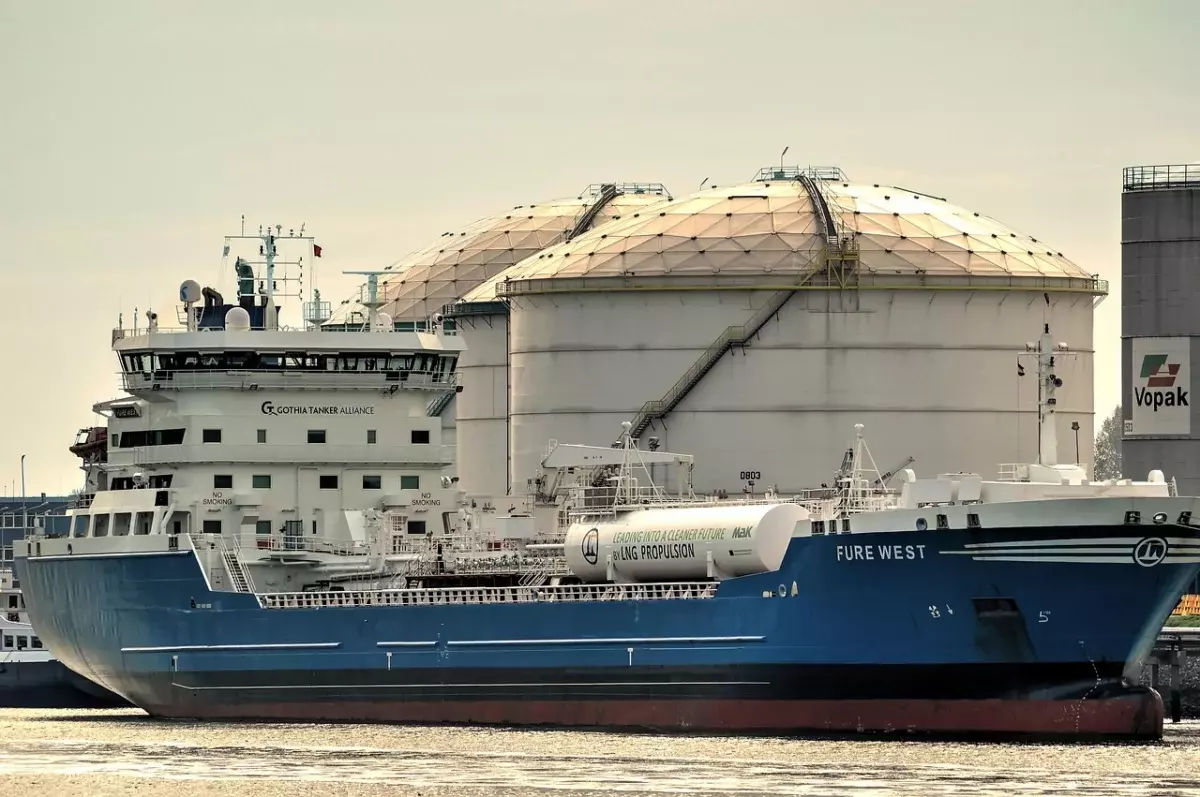
The reported CENTCOM Iranian oil tanker strikes mark a potentially grave expansion of direct hostilities between the United States and Iran. According to the supplied news report, United States Central Command said American forces destroyed five tankers after Iran allegedly launched two ballistic-missile attacks against an unidentified U.S. Navy ship. The report presents a dramatic sequence of military claims, but it provides no independent confirmation, vessel names, casualty assessment, imagery or Iranian response. Those omissions matter: in a fast-moving conflict, attribution and damage claims require careful verification.
What CENTCOM reportedly said happened
The report says U.S. forces ordered the crews to abandon their vessels before attacking tankers in the Gulf of Oman and near Kharg Island, a strategically important center for Iranian oil exports. CENTCOM reportedly characterized the ships as part of a multibillion-dollar network financing the Islamic Revolutionary Guard Corps and its regional partners.
The alleged trigger was Iran’s use of ballistic missiles against a U.S. naval vessel enforcing an oil blockade. The ship reportedly evaded the missiles and continued its mission. Three days earlier, according to the same account, U.S. forces had destroyed three other Iranian tankers following alleged attacks on an aircraft carrier and a guided-missile destroyer.
The central factual distinction is crucial: CENTCOM’s statements are official claims, not automatically independent proof of where each vessel was located, what cargo it carried or whether every target qualified as a lawful military objective.
Why the Gulf of Oman tanker strikes matter
The geography turns these reported attacks into more than a bilateral exchange. The Gulf of Oman leads directly toward the Strait of Hormuz, one of the world’s most strategically sensitive maritime passages. Escalation could affect commercial routing, marine insurance, crew recruitment and energy-market expectations even if physical oil supplies remain uninterrupted.
An oil tanker is also a uniquely hazardous target. Residual fuel and cargo can ignite or escape after a strike, threatening sailors, fisheries, desalination infrastructure and coastal ecosystems. Directing crews to evacuate may reduce immediate loss of life, but it does not eliminate dangers from fire, drifting wreckage, unexploded ordnance or pollution. Any verified incident would warrant navigational warnings and environmental monitoring coordinated with relevant coastal authorities.
Why did the U.S. reportedly strike Iranian oil tankers?
The stated military rationale combines retaliation and economic pressure. The supplied report says the United States was responding to attempted attacks on its warships while enforcing a blockade intended to restrict Iranian oil revenue and compel an end to a six-month war. In strategic terms, the apparent objective is to raise the cost of continued Iranian operations by attacking the logistics and financing behind them.
That approach carries a fierce contradiction. Economic coercion may constrain revenue, yet attacks on commercial-scale energy infrastructure can also widen a conflict, strengthen domestic hardliners and invite asymmetric retaliation against ports, bases, shipping or cyber systems. The report’s separate assertion that the war has damaged U.S. political support ahead of midterm elections is not substantiated with polling data and should be treated as context supplied by the original account rather than an established causal finding.
Legal questions surrounding an Iran oil blockade escalation
The legality of the reported U.S. strikes on Iranian tankers cannot be determined from the limited facts provided. Under international law, analysts would examine the legal basis for using force, including claims of self-defense, necessity and proportionality. They would also ask whether an armed conflict exists between the relevant parties and which rules govern the targeting decision.
Maritime status is equally important. Investigators would need to establish each vessel’s flag, ownership, cargo, location, conduct and relationship to military operations. Financing an armed organization does not by itself resolve whether a civilian ship has become a military objective. Advance warning and crew evacuation are relevant precautions, but warning alone cannot make an otherwise unlawful target lawful.
A credible assessment would require evidence such as:
- Time-stamped imagery and coordinates for every strike.
- Vessel identities, registries, ownership records and cargo documentation.
- Evidence linking the ships to military action rather than ordinary commerce.
- Details of the alleged missile launches and the U.S. ship’s response.
- Casualty, rescue, pollution and navigational-hazard reports.
- The legal justification issued by the governments involved.
Verification and misinformation risks
Readers searching for Gulf of Oman tanker strikes explained should distinguish confirmation from repetition. Official military announcements are primary sources for what an institution says, but independent reporting, satellite imagery, ship-tracking records and statements from flag states can test those claims. Automatic identification data can help reconstruct movements, although signals may be delayed, disabled or manipulated.
Reliable updates should be sought from CENTCOM’s official releases, the International Maritime Organization, maritime authorities and multiple reputable news organizations. Images circulating online should be reverse-searched because footage from earlier tanker fires or unrelated conflicts is frequently relabeled during breaking news.
Frequently asked questions
Were five Iranian tankers independently confirmed as destroyed?
Not from the information supplied. The report attributes that figure to CENTCOM but does not present independent visual confirmation, ship identities or third-party damage assessments.
Does ordering crews off a tanker settle the legal issue?
No. A warning may demonstrate an effort to protect crews, but legality still depends on the target’s status, the anticipated military advantage, proportionality and feasible precautions.
Could the reported strikes affect oil prices?
They could increase volatility and insurance costs, particularly if shipping near the Strait of Hormuz is disrupted. The scale and duration of any market effect would depend on verified damage, retaliation and whether commercial traffic continues safely.
What the world should watch next
The most important question is not simply how many tankers were hit, but whether these reported operations establish a sustained campaign against Iran’s oil-export system. Watch for verified vessel identifications, Iranian retaliation, changes in commercial shipping, environmental damage and a publicly articulated legal basis for the blockade.
If the account is confirmed, the strategic danger lies in an accelerating cycle: missiles provoke tanker strikes, tanker strikes provoke attacks elsewhere, and each side describes the next escalation as defensive. The decisive test will be whether diplomacy can interrupt that logic before a contested maritime corridor becomes the blazing center of a broader regional war.
SEO Data
Primary Focus Keyphrase: CENTCOM Iranian oil tanker strikes
Related Keyphrase 2: U.S. strikes on Iranian tankers
Related Keyphrase 3: Gulf of Oman tanker strikes explained
Related Keyphrase 4: Why did the U.S. strike Iranian oil tankers?
Related Keyphrase 5: Iran oil blockade escalation
Primary Keyphrase Synonyms: CENTCOM tanker attacks, U.S. tanker strikes, Iranian tanker attacks, American strikes on Iranian vessels, CENTCOM maritime strikes
SEO Title: CENTCOM Iranian Oil Tanker Strikes: Risks and Legal Questions
Meta Description: Explore the reported CENTCOM Iranian oil tanker strikes, their strategic context, legal questions, verification gaps and escalation risks.
URL Slug: centcom-iranian-oil-tanker-strikes
Image Filename: centcom-iranian-oil-tanker-strikes-gulf.jpg
Image ALT Text: Damaged oil tanker at sea during reported CENTCOM Iranian oil tanker strikes
Image Title: Reported CENTCOM Iranian Oil Tanker Strikes
Image Caption: Editorial illustration of a tanker incident at sea; the reported strikes require independent verification.
Search Intent: News and informational
Frequently Asked Questions
Does ordering tanker crews to evacuate make a subsequent strike lawful?
No. A warning may reduce civilian casualties, but it does not by itself make an attack lawful. The attacking force must still establish that the tanker is a military objective and assess necessity, proportionality and foreseeable environmental harm. Crews must also receive a genuine opportunity to reach safety without being exposed to additional danger.
When can a commercial oil tanker legally become a military target?
A commercial vessel may become a military objective if, under the applicable law of armed conflict, its use effectively contributes to military action and destroying or neutralizing it offers a definite military advantage. Merely generating state revenue or carrying Iranian oil may not be sufficient without stronger evidence connecting the vessel to military operations.
Would an oil blockade against Iran automatically be legal under international law?
No. A blockade’s legality depends on factors including the legal basis for the underlying use of force, formal notification, effectiveness, impartial enforcement and humanitarian consequences. It cannot lawfully be used to starve civilians or cause excessive civilian harm. Enforcement against neutral shipping may create additional legal disputes and escalation risks.
How could the reported tanker strikes be independently verified?
Verification would normally combine vessel names and registration data, Automatic Identification System records, satellite imagery, port and insurance documentation, navigational warnings, crew testimony and environmental observations. Analysts would also compare U.S. claims with Iranian statements and reports from coastal authorities. AIS gaps alone would not prove either an attack or illicit activity.
Could tanker attacks affect oil prices even if the Strait of Hormuz remains open?
Yes. Markets can react to anticipated disruption rather than an actual supply loss. Tanker owners may reroute vessels, insurers may raise war-risk premiums, and crews or charterers may avoid the area. Those added costs and delays can influence freight rates and oil prices, especially if traders expect further attacks near Kharg Island or the Strait of Hormuz.
Who would be responsible for pollution caused by a destroyed tanker?
Responsibility would depend on the facts, applicable armed-conflict rules, maritime conventions and the tanker’s ownership, flag and insurance arrangements. Coastal states would usually lead emergency containment and monitoring, while compensation claims could involve shipowners, insurers or states. Establishing liability may be difficult if the strike’s legality, cargo volume or location remains disputed.