
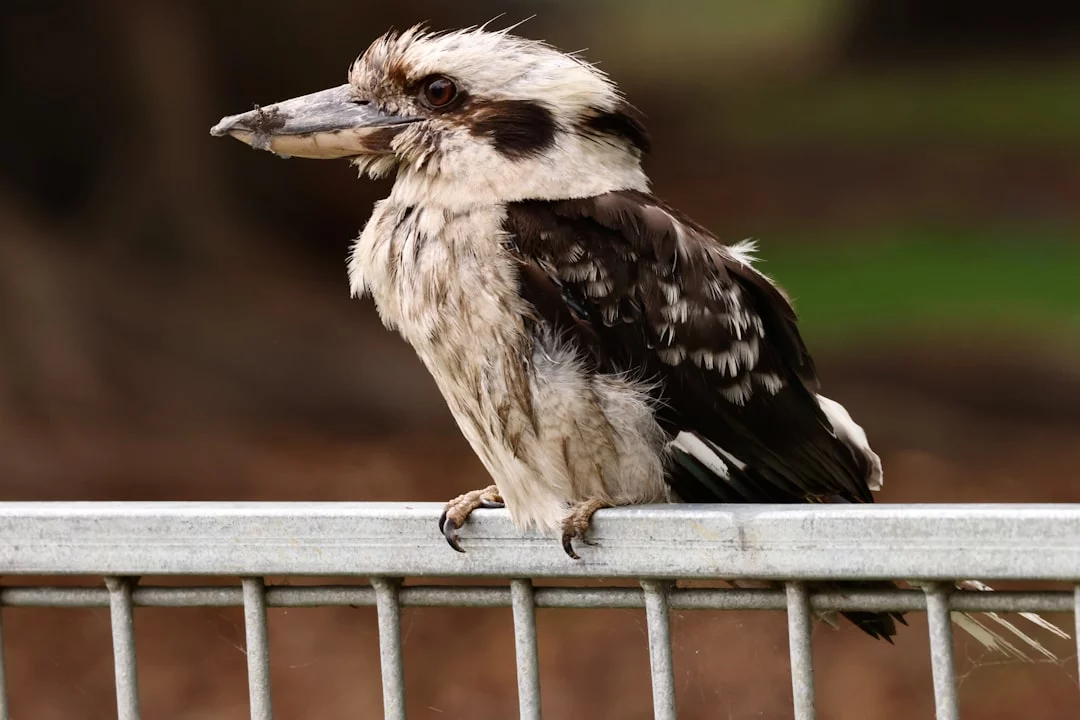
Australia is confronting a fast-moving H5N1 bird flu outbreak in Australia with a worrying twist: the virus is not only circulating in birds, but threatening species that sit far outside the classic
Frequently Asked Questions
What makes this H5N1 outbreak in Australia different from previous bird flu events?
The worry isn’t only that H5N1 is circulating in birds—it’s the possibility that the virus is affecting wildlife beyond the usual “classic” bird populations. When outbreaks involve unexpected species or broader ecological pathways, predictions become harder, and containment can become more complex because the virus can persist across different habitats and animal groups.
Which kinds of wildlife could be at risk if H5N1 spreads beyond birds?
In addition to wild and domestic birds, attention often turns to other animals that interact with contaminated environments—such as mammals that scavenge on infected carcasses or come into contact with contaminated water or prey. The article’s “wildcard” framing suggests the virus may be finding new routes through the food web, raising concerns for species that were not expected to be vulnerable.
How does H5N1 typically spread through ecosystems, and why can it escalate quickly?
H5N1 can spread when infected birds shed the virus through saliva, nasal secretions, and droppings. Other birds may pick it up through shared water sources, foraging grounds, or direct contact. Once the virus is established in areas with dense animal activity—such as wetlands and breeding colonies—it can move rapidly, especially if conditions support survival of the virus in the environment.
Does this outbreak mean there’s a higher risk to humans in Australia?
Most people’s exposure risk remains low, because sustained human-to-human transmission is not considered the main issue with H5N1 in typical outbreaks. However, risks can increase for individuals with direct contact with infected birds or contaminated materials. Public guidance generally focuses on avoiding contact with sick or dead wildlife and following local health recommendations.
What actions can residents take to help protect wildlife during an H5N1 outbreak?
Avoid handling sick or dead birds or other wildlife. Report unusual die-offs to the appropriate local authority, and keep pets from roaming near carcasses or bird congregation sites. If authorities advise restrictions around waterways or feeding areas, follow them. These steps reduce accidental spread and help wildlife agencies track where outbreaks are occurring.
Why is it so challenging to predict the “next move” of a fast-moving wildlife outbreak?
Wild outbreaks can change course when multiple species become involved or when the virus finds new ecological pathways. Bird populations may migrate, concentrate seasonally, or interact across regions, and scavenging behavior can amplify transmission. With more-than-expected hosts, models have less reliable assumptions, so uncertainty increases about where outbreaks will emerge next and how long they may persist.