
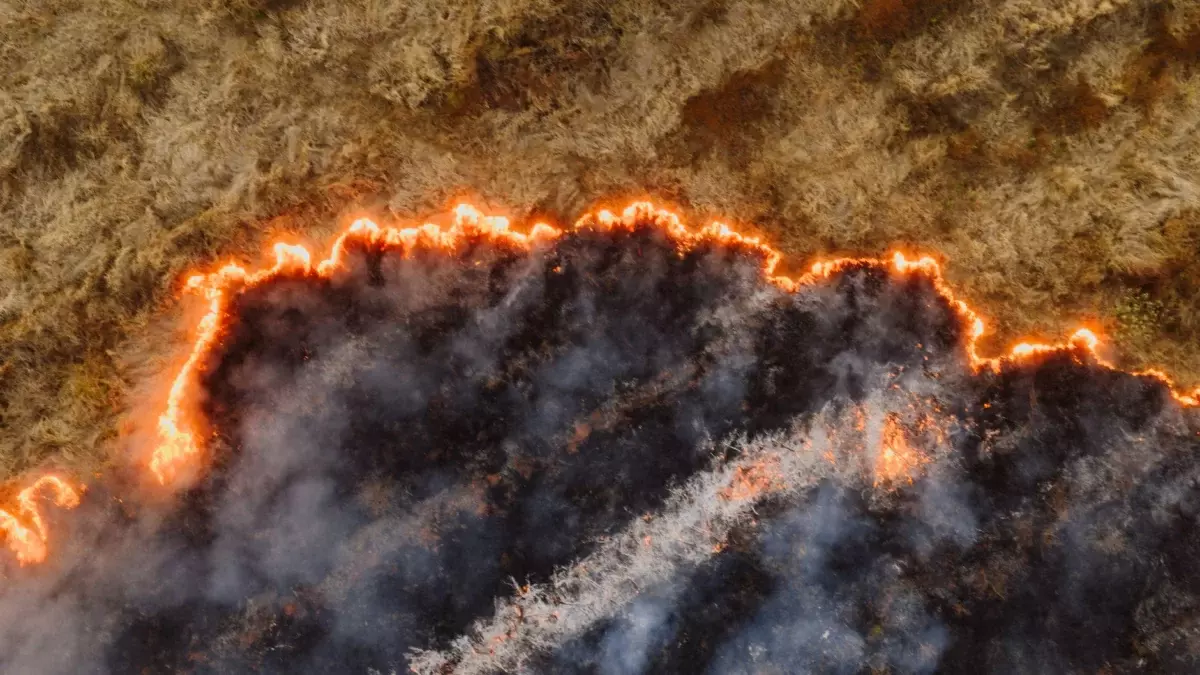
A summer of record heat has turned outdoor fire risk into an operational problem for the city. In the London fire control centre wildfire watch, the question is not whether fires will start, but how quickly the system can detect, classify, and dispatch decisions under extreme conditions.
London Fire Control Centre Wildfire Watch: How Heatwaves Stress Urban Fire Response
SEO and topic framing: what this
Frequently Asked Questions
What does “London Fire Control Centre wildfire watch” actually focus on during a heatwave?
It focuses on operational performance: how quickly the system can detect a fire, classify what kind of incident it is, and translate that information into dispatch decisions. During extreme heat, the challenge shifts from “whether fires start” to “how fast the response pipeline works” under higher incident likelihood and faster-fire growth.
Why does extreme heat make wildfire detection and classification harder in an urban area like London?
Heatwaves can increase the number of ignition sources and accelerate fire spread, reducing the time available for confirmation. Smoke patterns may also change with weather conditions, and visibility can vary. The system must still distinguish between false alarms, small events, and genuine wildfire-scale incidents quickly enough to avoid delays in dispatch.
How do fire control centers decide how quickly to dispatch resources during high-risk periods?
Dispatch is based on speed, confidence in incident classification, location accuracy, and potential growth risk. In a heatwave, the margin for error shrinks: the center must balance rapid action with avoiding unnecessary mobilization. That’s why classification—turning raw signals into usable incident categories—is critical before committing larger resources.
What is the “detection-to-decision” timeline, and why is it a key problem in wildfire watch operations?
The detection-to-decision timeline is the period from when a possible fire signal is received to when the center has enough validated information to make dispatch decisions. Heatwaves stress this chain because incidents can escalate faster and more signals may arrive at once. Shortening that time helps reduce damage and improves coordination.
Are wildfire watch systems designed to prevent fires, or do they mainly support response after ignition?
They mainly support response after ignition by spotting potential fires early and enabling quicker, smarter action. Prevention typically involves public safety guidance and risk reduction measures, but the wildfire watch function is about operational readiness—detection, classification, and dispatch—so that when fires do start, the city can respond effectively.
The article mentions “SEO and topic framing: what this” — what does that mean for readers?
Topic framing and SEO are about how the article organizes its message so it’s easier to find and understand. In this case, it signals the intent: connecting heatwaves to real operational stress on urban fire response, rather than treating wildfire risk as a distant or purely theoretical concern. It helps readers anticipate the article’s focus on detection, classification, and dispatch.