
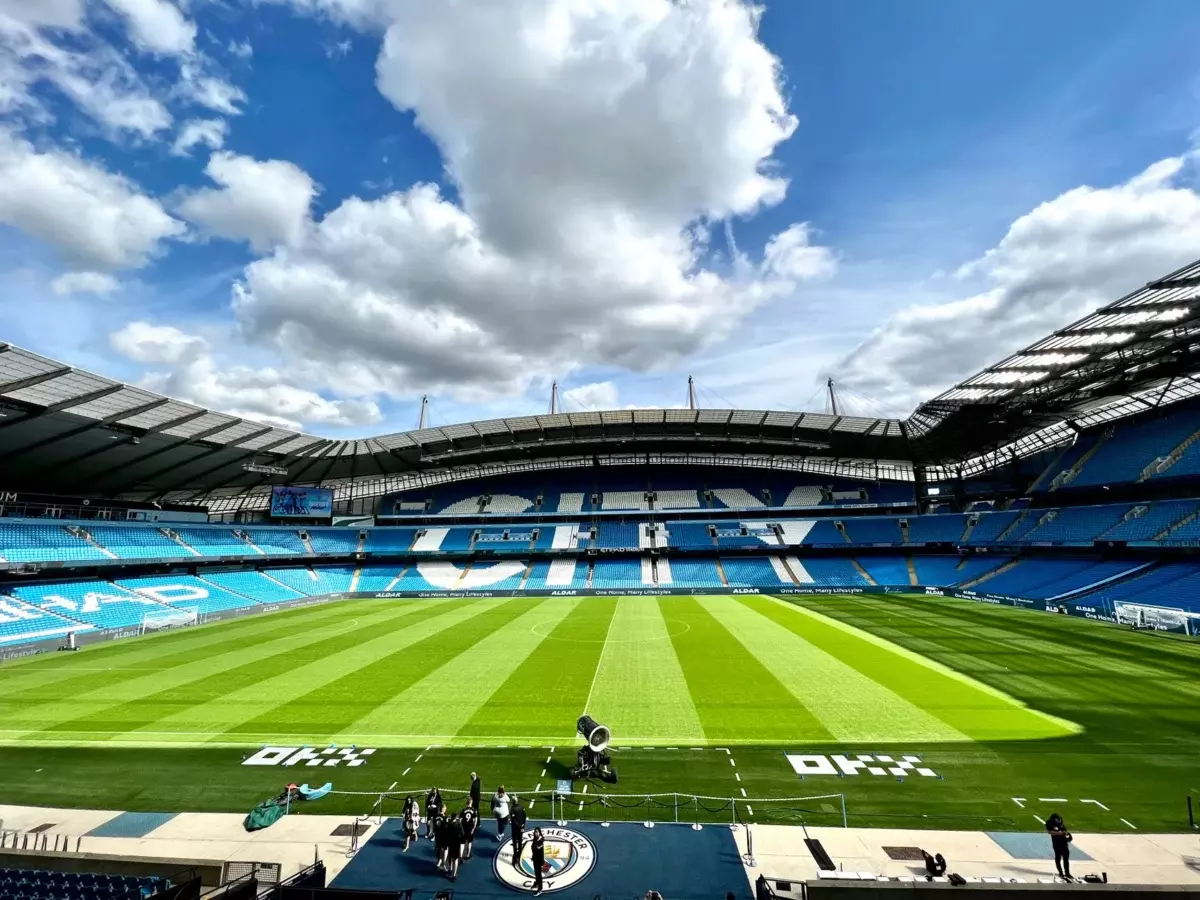
Man City supporters rarely want chaos. Yet
Frequently Asked Questions
Why can Manchester City’s wins feel “nervy” even when they’re winning?
A team can win while still looking unstable if the game plan prioritizes experimentation or late adjustments. Maresca’s tactical tinkering can create short spells where structure dips—especially in transitions—so supporters may notice stress in phases even if the final output (goals, points) still lands. Winning doesn’t always equal looking comfortable for 90 minutes.
What kind of tactical tinkering is likely causing those uneasy moments?
Tinkering often shows up in small but impactful tweaks: shifting the build-up shape, changing who steps into midfield, or altering full-back positioning when the opponent presses. It can also involve different rest-defense distances or trigger cues for counter-pressing. These micro-changes may not be obvious from the stands but can create moments where City temporarily look exposed.
Does Maresca’s approach mean City is less “stable” than in previous seasons?
Not necessarily. Stability can be measured by results and repeatable patterns, not by visual calmness. Early-season or transitional phases can look messier because a manager is searching for the best combinations. The key is whether nervousness is concentrated in predictable phases—like after substitutions—or whether it persists without a plan.
Why would a coach choose to risk comfort if the supporters want control?
Because long-term control sometimes requires short-term learning. When opponents adapt quickly, a fixed system can become easier to study and counter. Tactical tinkering can be a way to develop variations so City don’t become predictable under pressure. The “nervy” feel may be the byproduct of building flexibility before critical stretches in the season.
Are the nervous performances a sign the team can’t handle big-pressure matches?
Not automatically. Some teams look tense because they’re trying to manage risk—especially when facing sides that force turnovers in dangerous areas. If City’s nervousness comes with clear in-game fixes (better spacing, sharper press cues, more controlled possession after the break), it can indicate learning rather than inability.
How can fans tell whether the tinkering is helping or hurting?
Watch whether City’s adjustment improves specific problems: does the press recover quicker, do passing lanes appear sooner, and does the defensive line regain comfort after conceding momentum? Also check whether the same adjustments repeat effectively across matches. If tinkering produces recurring confusion in the same areas, that’s a warning; if it gradually reduces exposure, it’s working.