
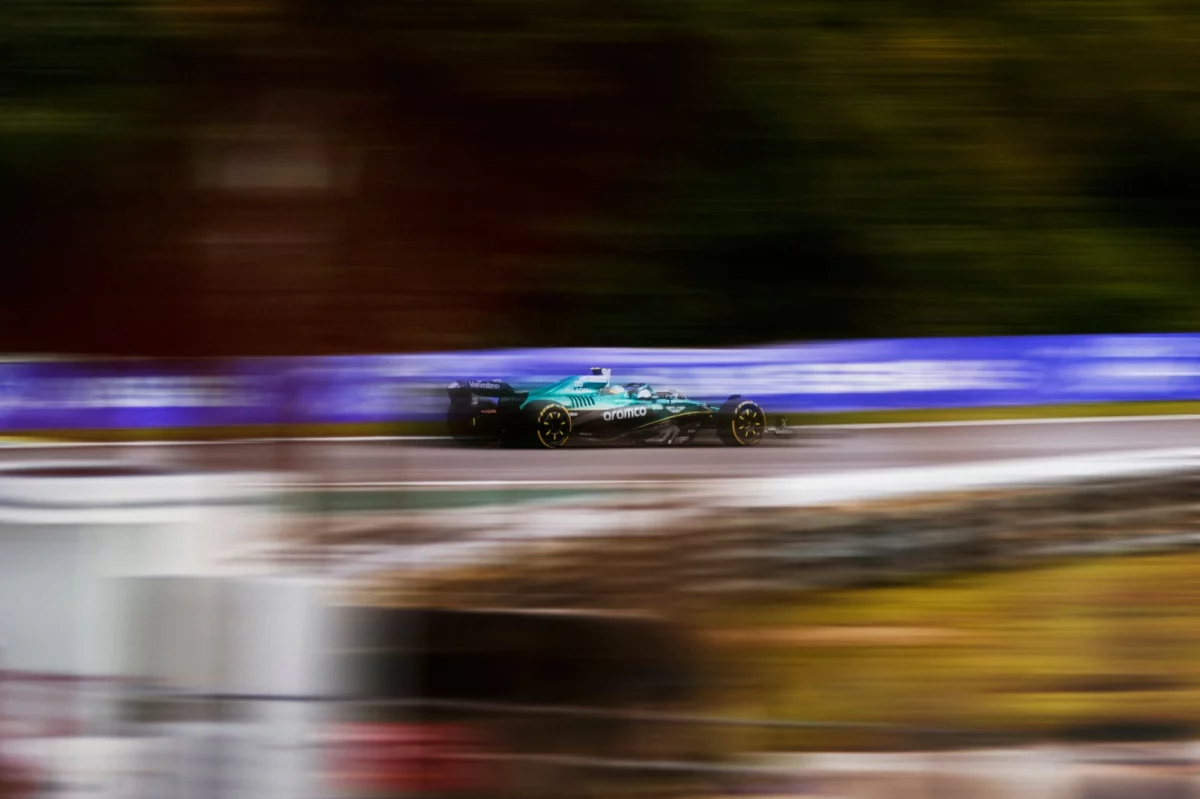
Dutch Grand Prix race analysis isn’t just a recap of who crossed the line first—it’s a stress test of decision-making under chaos. At Zandvoort, Lando Norris turned an incident-heavy race into a controlled advantage, while George Russell left frustrated, unable to convert early openings into meaningful time gains. This article is an analytical critique of how the race unfolded, why Russell’s pursuit stalled, and what the Norris win reveals about execution when strategy, traffic, and safety dynamics collide.
Dutch Grand Prix race analysis: Norris wins incident-packed Zandvoort as Russell can’t close
The Dutch GP outcome will look simple on the results sheet, but the mechanics behind it are not. Incident sequences compress racing into phases—restart geometry, safety-car timing, and overtaking windows shrink or disappear instantly. In these moments, the most polished teams don’t merely react; they anticipate the next constraint. That distinction is where this breakdown focuses.
Core context: why Zandvoort amplifies both skill and randomness
Zandvoort is not a neutral venue. The lap layout rewards positioning, punishes indecision, and makes overtaking feel both possible and risky. That combination is precisely why incident-packed races can swing results. When we talk about the Dutch Grand Prix, we’re effectively talking about a circuit that can convert small strategic edges into major time gaps—especially when race incidents introduce safety interventions like the safety car or a virtual safety car.
In Formula One, those interventions reorganize the field’s spacing and reset the value of tire temperature, fuel load behavior, and braking stability. The result is a different race than the one fans see on lap-by-lap highlights. To understand the Norris win and Russell’s frustration, you need to analyze the Dutch GP as a sequence of constrained optimization problems—where each decision has second-order effects.
For readers who want broader technical grounding, it helps to remember how Formula One race operations work: teams manage energy deployment, tire wear, and pit timing, while drivers translate setup and traction into executable passes. When incidents occur, the translation layer becomes even more decisive.
What Norris’s win actually signals: execution under disruption
1) Turning interruptions into rhythm instead of chaos
Norris winning an incident-heavy Dutch GP is not just about speed. It’s about rhythm. Under normal conditions, drivers can
Frequently Asked Questions
Por qué un GP “incident-packed” puede cambiar tanto el resultado aunque haya muchas vueltas por delante?
Porque los incidentes comprimen el tiempo de decisión. Con un Safety Car o un Virtual Safety Car, cambian la geometría de salidas, el espaciado del pelotón y el valor de los adelantamientos. Además, se resetean variables como temperatura de neumáticos y estabilidad de frenada, alterando el comportamiento del coche. En vez de “planear”, los equipos deben anticipar el siguiente límite.
Qué papel juega Zandvoort en volver el adelantamiento “posible pero arriesgado” y por qué eso afecta más a Russell que a Norris?
Zandvoort recompensa la posición y castiga la indecisión: la trazada favorece coches que llegan preparados al momento de atacar, mientras que los que se acercan tarde pierden ventana y tracción al frenar. En una carrera con tráfico y neutralizaciones, esos pequeños márgenes se vuelven grandes. Norris pudo mantener ritmo y consistencia cuando las oportunidades aparecieron; Russell chocó contra límites de tiempo y agarre.
Si Russell tuvo aperturas temprano, por qué “no pudo cerrar” después sin que eso sea solo falta de velocidad?
Cerrar no es solo recortar tiempo por vuelta; es convertir la apertura en segundos sostenibles. En una carrera caótica, la clave es si la ventana de adelantamiento coincide con neumáticos a temperatura, fuel y estabilidad de frenada adecuados. Si el tráfico se reorganiza o el orden se neutraliza, el “gap” se estanca. El artículo sugiere que Russell perdió la conversión de oportunidades en ventaja real.
Qué debería haber optimizado una estrategia cuando aparecen Safety Car o VSC en Zandvoort?
El objetivo no es solo decidir “entrar o no”, sino sincronizar el momento con la reorganización del pelotón. Las neutralizaciones cambian el costo de esperar, el valor del aire limpio y cómo evolucionan temperatura y degradación. También influyen las salidas tras relanzamientos: el orden en pista y la geometría de adelantamiento mandan. En resumen, la estrategia busca anticipar restricciones, no reaccionar tarde.
Qué significa que Norris no ganó por velocidad pura, sino por “ritmo”, y cómo se refleja en una carrera con interrupciones?
“Ritmo” implica que, incluso cuando el plan se rompe, el piloto mantiene un patrón ejecutable: gestión de energía, control de neumáticos y confianza al frenar y acelerar sin picos. En carreras con interrupciones, el ritmo reduce errores cuando el coche vuelve a estar al límite. Norris transformó el caos en una secuencia coherente de decisiones, mientras que la frustración de Russell sugiere que la conversión táctica se cortó.