
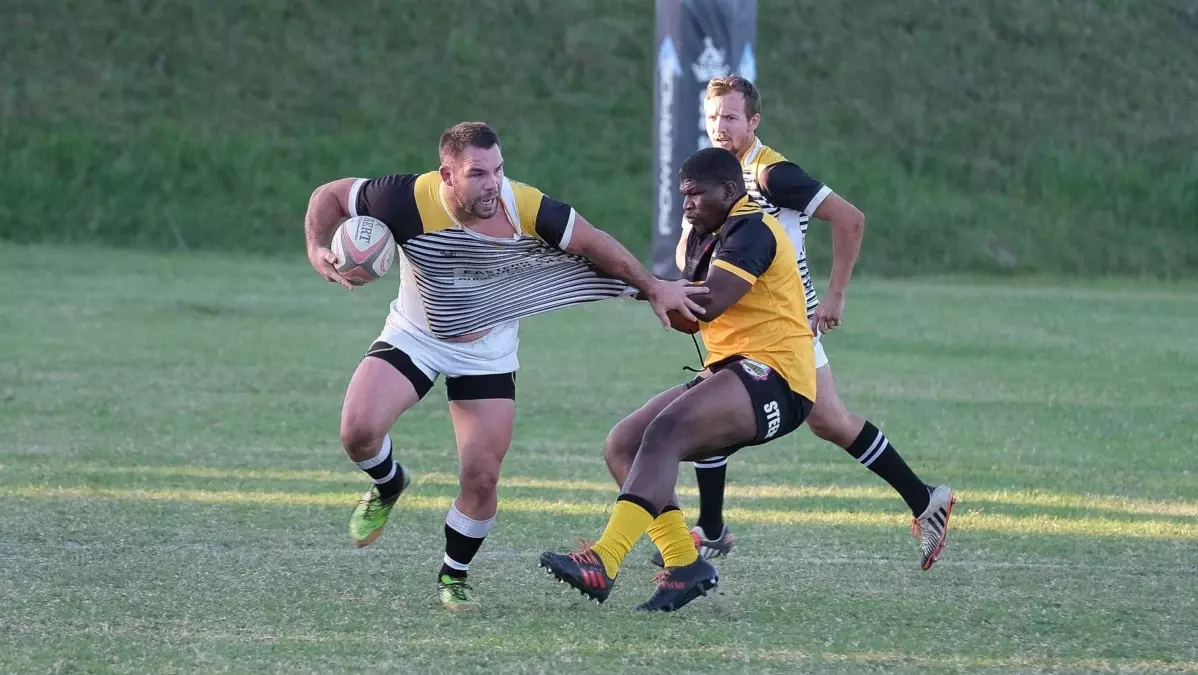
The Springboks vs All Blacks rivalry is never just a scoreline—it is a test of nerve, physical intent, and tactical self-control under pressure. With the Springboks leveling the Greatest Rivalry series through a blood-and-thunder victory, the headline makes one thing clear: this matchup still rewards teams that can win contact, stay disciplined, and convert momentum into territory and points. This article breaks down the likely drivers of that kind of swing—without pretending we need a spreadsheet of every moment to understand why these games turn.
Springboks vs All Blacks rivalry: Greatest Rivalry series swings after blood-and-thunder win
Springboks vs All Blacks rivalry: what
Frequently Asked Questions
What does the Springboks’ blood-and-thunder win actually change in the Greatest Rivalry series?
It doesn’t just change the standings—it shifts the psychological and strategic balance. A win that includes physical dominance signals to both teams that contact can be enforced. That often affects how the All Blacks manage risk in breakdowns, how the Springboks defend territory, and whether either side lets momentum trigger undisciplined mistakes.
Why does “winning contact” matter more than simply winning a higher possession count?
Possession can be sterile if the opposition can slow the game at contact. Winning contact increases your ability to secure clean ball, disrupt set-piece rhythm, and force the other team into defending rather than attacking. In this rivalry, that’s frequently the difference between territory that leads to points and territory that only burns time.
How do tactical self-control and discipline influence a match between the Springboks and All Blacks?
Self-control limits penalties and ill-timed collisions that swing momentum through stoppages, kickable penalties, or defensive scrambling. Against a team like the All Blacks, discipline also determines whether you keep the referee’s trust during high-intensity phases. In these games, one or two avoidable infringements can change field position and scoring chances quickly.
What does it mean to “convert momentum into territory and points” in practical terms?
Momentum isn’t just emotion—it’s efficient decision-making. When your game plan is working, you need to turn pressure into carries, line breaks, and repeated set-piece or restart advantages, rather than overreaching. Converting momentum means selecting the next tactical phase well: controlling kick options, managing tempo, and finishing scoring opportunities when they appear.
Does this rivalry depend more on tactics or physicality?
It’s both, but the order of operations matters. Physicality creates the platform—how often you can win breakdowns, force errors, and secure ball quality. Tactics decide how you exploit that platform—whether you build pressure through smart territory management and controlled attacking sequences. Without discipline, physical intent can become a liability.