
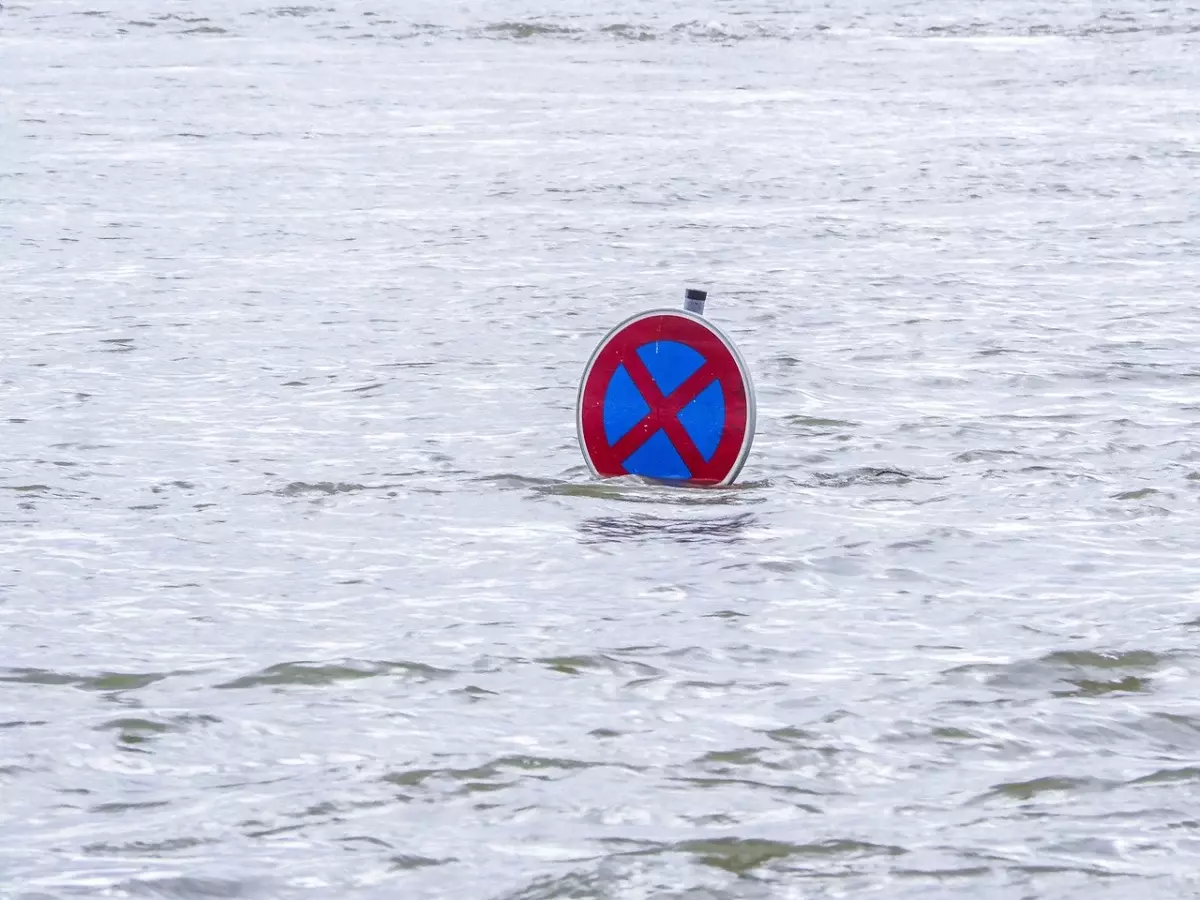
Flash floods surged through streets and ground floors in Azilal, a town in central Morocco, after heavy thunderstorms delivered intense bursts of rain. Videos shared from the area show floodwaters sweeping past homes, shops, and parked vehicles, turning roads into fast-moving channels. The flooding highlights how quickly localized storms can overwhelm drainage systems in mountainous terrain, putting residents and first responders on alert as waters continue to rise and recede.
Context: Why flash floods can hit fast in Morocco’s interior
Flash flooding occurs when rain intensifies faster than soil can absorb it or channels can drain it. In many parts of Morocco, especially inland and in foothill and valley communities, topography funnels runoff into narrow streets and low-lying neighborhoods.
Morocco also faces the broader challenge of extreme weather variability. The World Meteorological Organization (WMO) has warned that climate change can raise the likelihood of heavier rainfall events, especially when warm air holds more moisture and storms intensify more rapidly.
Scientists link this mechanism to a basic physical relationship: the IPCC reports that for each 1°C of warming, the atmosphere can hold roughly 7% more water vapor. That additional moisture can translate into more intense precipitation when weather systems trigger convection.
What happened in Azilal: floodwaters take over streets and ground floors
In Azilal, footage circulating online depicts water spreading across residential blocks and commercial streets within moments of peak rainfall. Multiple clips show floodwaters covering doorways and storefront entrances, with debris and muddy flow indicating strong runoff.
Residents appear to have been caught during the transition from heavy downpours to rapid overflow. In such events, water often reaches street level quickly, leaving limited time for people to move belongings or secure utilities.
Across central Morocco, thunderstorms can form and shift rapidly, driven by local weather patterns and daytime heating in valleys and mountain-adjacent areas. When rainfall rates exceed drainage capacity, runoff collects in streets and low points, accelerating toward the nearest channels.
Heavy rain meets limited drainage: the mechanics behind the sudden surge
Experts say flash floods usually reflect a mismatch between rainfall intensity and local infrastructure. Even where drainage exists, it can clog with leaves, sediment, and trash during high-flow events, reducing the ability of culverts and channels to pass water.
In mountainous and semi-arid regions, ground conditions also matter. Dry soils before a storm may initially absorb some rain, but intense downpours can saturate the surface quickly, switching runoff from
Frequently Asked Questions
Why did the flooding spread so quickly in Azilal, even though towns usually have drainage?
Flash floods happen when the intensity of rain overwhelms drainage faster than water can be absorbed or channeled away. Even if systems exist, they can clog with sediment, leaves, and trash during peak flow. In mountainous terrain, runoff is funneled into narrow streets and low points, so water concentrates and moves rapidly across residential and commercial areas.
How does Morocco’s interior geography make flash floods more likely?
In inland foothill and valley communities, slopes and channels guide runoff toward streets and ground-level spaces. When storms form and shift quickly, rainfall can land where it best feeds the nearest low areas. This topography-driven funneling means water can rise at street level within moments, including near doorways and storefront entrances.
Could the flooding be made worse by clogged culverts or debris during heavy storms?
Yes. During intense downpours, drainage openings can quickly become blocked by leaves, mud, and floating trash. If culverts or channels can’t pass the incoming volume, water backs up and spreads outward, turning streets into fast-flowing channels. Debris visible in the footage often indicates strong surface runoff and rapidly changing flow paths.
What’s the role of climate change in heavier rainfall events mentioned in the article?
The article links increased flash-flood risk to how a warmer atmosphere holds more moisture. Scientists cited by the IPCC report that for each 1°C of warming, the atmosphere can hold about 7% more water vapor. That additional moisture can intensify precipitation when storms trigger convection, increasing the likelihood of extreme downpours.
What should residents and first responders prioritize during a flash flood in mountainous areas?
Priority is rapid life-safety actions: avoiding floodwater and not trying to drive or walk through fast-moving channels. Because water can rise quickly and debris can be present, first responders must operate with caution and monitor rising levels continuously. After waters recede, it’s also important to delay returning until areas are confirmed safe, as currents and hidden damage can remain.