
Meta title: Best Places to Visit in Turkey: Top 10 Destinations
Meta description: Discover the best places to visit in Turkey, from Istanbul to Cappadocia, with travel tips, food highlights, and smart itinerary ideas.
URL slug: best-places-to-visit-in-turkey
If you are looking for the best places to visit in Turkey, you are in for a trip that feels like several journeys in one. Turkey blends Europe and Asia, ancient ruins and modern skylines, beach escapes and mountain scenery, all with warm hospitality and unforgettable food. From the first sip of Turkish tea to the last bite of baklava, every stop adds a new layer to this rich Turkey travel guide.
What makes Turkey so appealing is its variety. One day you can wander through the markets of Istanbul, and the next you can float over the surreal landscape of Cappadocia. For first-time visitors, that mix of culture, history, beaches, and food makes Turkey one of the most rewarding destinations in the world.
Best places to visit in Turkey: Top 10 destinations
1. Istanbul
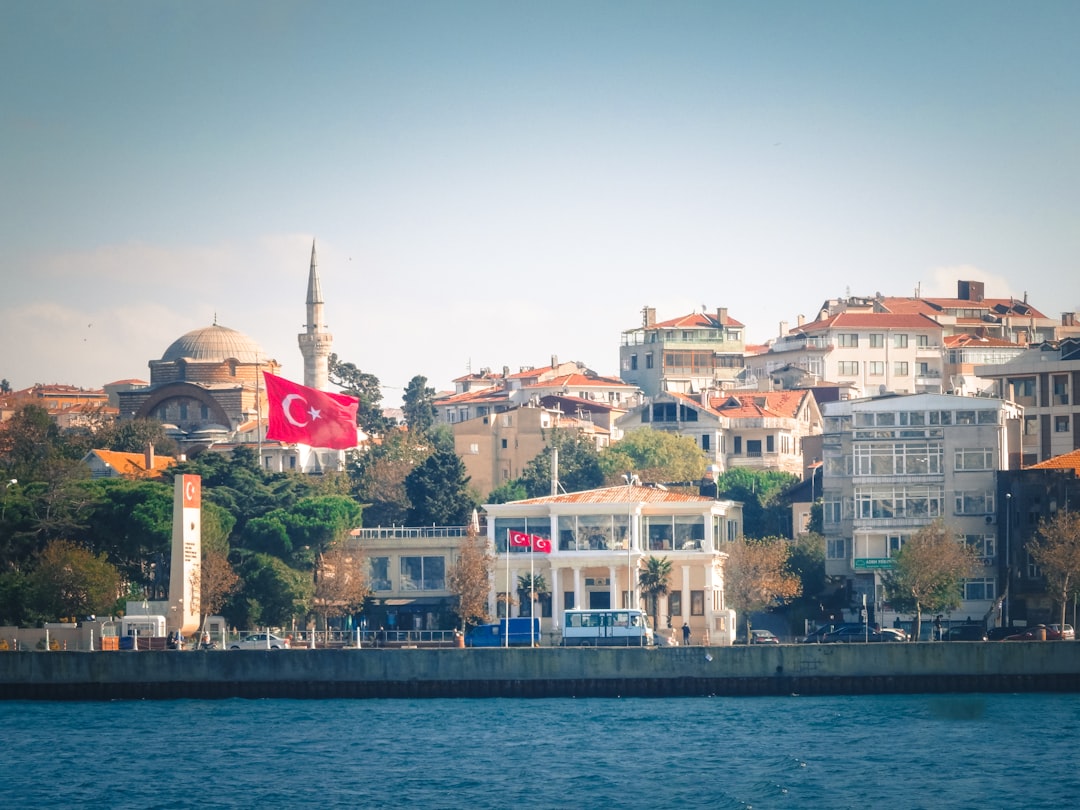
Istanbul is Turkey’s cultural capital and the country’s most magnetic starting point. It bridges Europe and Asia, and that split shows up in its architecture, food, and energy. The Blue Mosque, Hagia Sophia, Grand Bazaar, and Bosphorus cruises give first-time visitors a perfect taste of old and new.
Spring and autumn are the best times to visit, when the weather is comfortable for walking and sightseeing. Istanbul is worth visiting for its layers of history, lively neighborhoods, and endless cafés where you can slow down with strong coffee or Turkish tea. It is also one of the best cities in Turkey for photography, street food, and city breaks on almost any budget.
2. Cappadocia
Cappadocia feels like a dream landscape carved by time. Its fairy chimneys, cave hotels, and volcanic valleys make it one of the most iconic Turkey top destinations. The sunrise hot air balloons are famous for a reason: the view over Goreme and the surrounding valleys is unforgettable.
Visit in spring or autumn for mild weather and clear skies, although winter can be magical too if you want a quieter atmosphere. Cappadocia is worth it for travelers who love photography, soft adventure, and a more atmospheric side of Turkey. It is easy to pair a balloon ride with local wine, cave dining, and hikes through rose-colored valleys.
3. Antalya
Antalya is the Mediterranean star of southern Turkey, known for its beaches, resorts, and turquoise coastline. The old town, Kaleiçi, adds a historic core to an otherwise sun-soaked coastal escape. Many visitors come here for beach holidays, but the city also works well as a base for day trips and relaxed luxury stays.
The best time to visit is late spring through early autumn, when sea temperatures are ideal and beach clubs are in full swing. Antalya is worth visiting if you want an easy mix of culture and resort comfort, plus a chance to enjoy grilled kebabs, fresh seafood, and long evenings by the water.
4. Ephesus
Ephesus, near Selçuk, is one of the most impressive ancient Roman archaeological sites in the region. Walking its marble streets, you can imagine the city in its peak as a major center of trade and religion. The Library of Celsus and the Great Theatre are unforgettable highlights for history lovers.
Go in spring or autumn to avoid the harsh midday heat and to enjoy calmer crowds. Ephesus is worth visiting because it brings the ancient world to life in a way few places can. If you are building a Turkey travel guide around history, this is one stop you should not skip.
5. Pamukkale
Pamukkale is famous for its white travertine terraces and thermal pools, a natural wonder that looks almost unreal in photos. The mineral-rich terraces cascade down the hillside, while nearby Hierapolis adds archaeological depth to the experience. It is a place where landscape and history meet beautifully.
Visit in spring or late autumn for the most comfortable conditions and less intense crowds. Pamukkale is worth it for travelers who want a slower pace, spa-like waters, and striking scenery. It is one of the best places to visit in Turkey for both casual tourists and anyone chasing unique travel photos.
6. Bodrum
Bodrum offers a polished Aegean escape with marinas, whitewashed houses, nightlife, and a strong sense of style. It is popular with travelers who want a chic coastal atmosphere, from beach clubs and yacht trips to elegant restaurants and boutique stays. The town also has a historical side, with the Castle of St. Peter adding old-world charm.
The best time to visit is from May to October, especially if you want warm seas and lively evenings. Bodrum is worth visiting for luxury travel, but it can still suit budget travelers if you choose simpler guesthouses and local eateries. Expect fresh mezze, grilled fish, and a relaxed late-night vibe.
7. Fethiye
Fethiye is where coastal nature takes center stage. The Blue Lagoon at Ölüdeniz, sea cliffs, hidden coves, and paragliding over turquoise water make it one of Turkey’s most scenic destinations. It is especially appealing for travelers who like outdoor adventure mixed with beach time.
Late spring through early autumn is the best window for clear skies and calm water. Fethiye is worth visiting because it feels active without being rushed. Whether you are taking a boat trip, hiking coastal trails, or watching the sunset with a plate of meze, it is one of the most memorable stops in Turkey.
8. Izmir
Izmir brings a modern, easygoing Aegean vibe that many first-time visitors enjoy. It is a lively coastal city with a waterfront promenade, contemporary cafés, and strong access to nearby historic sites and beach towns. Compared with some of Turkey’s larger tourist hubs, Izmir feels more local and less hectic.
Visit in spring or early autumn for pleasant weather and a comfortable city break. Izmir is worth visiting for food, waterfront walks, and a more relaxed urban experience. If you want a mix of culture and modern life without the intensity of Istanbul, it deserves a spot on your list.
9. Ankara
Ankara, the capital city, is often overlooked, but it rewards travelers interested in political history and museums. The city feels more structured than the coastal destinations, yet it offers strong cultural depth. The Museum of Anatolian Civilizations is a highlight, and Anıtkabir gives visitors a powerful look at modern Turkish history.
Any time of year works, though spring and autumn are the most pleasant for walking around. Ankara is worth visiting if you want to understand Turkey beyond the tourist trail. It is a smart stop for museum lovers, history buffs, and travelers who enjoy seeing how the country functions at its core.
10. Trabzon
Trabzon opens the door to Turkey’s lush Black Sea region, where mountains, tea fields, and dramatic coastal scenery create a very different mood from the south. The city itself is a gateway to green plateaus and monasteries, with a cooler climate that feels refreshing in summer.
Visit between late spring and early autumn for the best views and easiest road conditions. Trabzon is worth visiting for nature lovers, photographers, and travelers who want to see a greener, less expected side of the country. It is also a great place to try regional dishes and local tea.
Turkey travel guide: transport tips for moving between regions
Turkey is large, so smart transport planning makes a big difference. Domestic flights are often the fastest way to connect Istanbul, Cappadocia, Antalya, and Trabzon, while long-distance buses are reliable and budget-friendly. For scenic travel, ferries and regional roads can be a pleasant way to slow down, especially around the Aegean coast.
If you are short on time, combine flight segments with overland days instead of trying to cross the whole country by road. That keeps your trip practical and leaves more energy for the places themselves. For a smoother journey, book intercity transport early during summer and holiday periods.
Budget vs luxury travel in Turkey
Turkey works well for both budget travelers and luxury seekers. On a budget, you can use city hotels, local buses, casual restaurants, and street snacks like simit, kebabs, and baklava. In major destinations, you will still find excellent value compared with many parts of Western Europe.
For luxury travel, Turkey has stylish boutique cave hotels in Cappadocia, beach resorts in Antalya, and elegant marina stays in Bodrum. Spa hotels, private boat trips, and fine dining are widely available. The good news is that even a modest trip can feel rich in experiences, especially if you focus on food, views, and local neighborhoods.
Cultural etiquette and local tips
Turkish hospitality is warm, but a little etiquette goes a long way. Dress modestly when visiting mosques, remove your shoes where required, and keep your voice low in religious spaces. A simple greeting and a smile are always appreciated, and accepting tea is a nice way to connect with locals.
It also helps to carry some cash for small shops, market stalls, and rural areas, even though cards are widely accepted in cities. In bazaars, gentle bargaining is normal, but keep it friendly. If you are visiting for the food alone, make room for regional specialties, because every area has its own version of comfort on a plate.
Suggested itinerary for 7–10 days
For a first trip, a balanced route could start in Istanbul for two or three days, continue to Cappadocia for the balloons and cave scenery, and then head to Antalya or Fethiye for a coastal finish. If you prefer history, add Ephesus and Pamukkale before reaching Izmir. Travelers with more time can include Bodrum for style or Trabzon for a greener landscape.
This kind of route gives you a real sense of Turkey’s contrasts without feeling rushed. You will move from grand mosques and ancient ruins to beaches, mountain views, and memorable meals. That variety is exactly why the country keeps drawing travelers back.
Turkey is at its best when you do not try to experience it all in one mood. Wander, taste, and compare the regions, because each stop brings a different rhythm, from the buzz of Istanbul to the quiet beauty of Trabzon. If you plan well, the best places to visit in Turkey will feel less like a checklist and more like a story you will want to continue.