Turkey’s heritage revival: restored monuments and cultural routes reshape travel
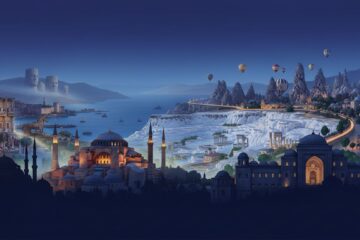
Turkey’s heritage revival is reshaping the way people experience the country, moving travel beyond a checklist of famous landmarks and towards richer, connected journeys. Across cities, towns and rural landscapes, restored monuments, upgraded museums, archaeological parks and themed itineraries are being presented as part of wider cultural networks. For UK-based travellers, members of the Turkish community, and anyone planning a more meaningful visit, this creates new ways to explore both well-known destinations and places that might once have been overlooked.
Official tourism platforms now place strong emphasis on heritage-led travel, especially through “Cultural Journeys” and “Cultural Routes” that bring together sites, stories and local experiences. GoTürkiye highlights the country’s tangible and intangible heritage as something truly exceptional, and the scale is striking: Türkiye has 19,475 registered archaeological sites. That depth helps explain why restoration is not just a conservation project, but a major part of how travel in Turkey is being reimagined.
From monuments to connected cultural routes
One of the clearest shifts in tourism strategy is the move from single-site sightseeing to what could be called heritage corridors. Instead of promoting only one mosque, one museum or one ancient city at a time, official travel pages increasingly highlight routes that connect monuments, districts, festivals and landscapes. This approach encourages visitors to spend longer in each area and understand how history unfolds across a whole region.
GoTürkiye’s cultural-routes platforms make this especially visible. They feature themed journeys such as Taş Tepeler, the Lycian Way, the Phrygian Way and the Aeneas Route, showing how archaeology, local identity and travel planning now work together. Rather than treating restoration as something that happens quietly in the background, these platforms present renewed heritage as part of the visitor experience itself.
For travellers, this means more flexible and more rewarding itineraries. A restored building is no longer only a stop for a photo; it can be part of a walking route, a museum circuit, a food and culture day, or a multi-day regional trail. For businesses and tourism professionals, this route-based model also creates more touchpoints, bringing value to cafés, guides, accommodation providers and local shops along the way.
Beyoğlu shows how restoration becomes tourism infrastructure
In İstanbul, the Beyoğlu Culture Route stands out as a flagship example of how restored monuments can shape modern travel. The project is presented as an effort to protect heritage in its original form and to restore Beyoğlu to its former glorious texture. That language matters, because it shows restoration not simply as repair work, but as an attempt to recover the spirit and urban character of a historic district.
The route includes landmarks such as the Tophane Clock Tower, the Mısır Apartment and the renovated Atatürk Cultural Centre, alongside places like Atlas Passage and Emek Cinema. Together, these sites form a continuous cultural experience rather than a scattered list of attractions. A visitor can move through architecture, cinema, performance spaces and streetscapes in a way that makes the district feel alive and connected.
This is an important development for city branding as well. Restored monuments in Beyoğlu are being used as experiential anchors, giving İstanbul a heritage journey that blends memory, creativity and public life. For visitors from the UK, especially those with family, business or cultural links to Turkey, that makes Beyoğlu more than a nostalgic district; it becomes a practical and inviting route through the city’s identity.
Events and everyday culture are part of the revival
The Beyoğlu Culture Route also shows that heritage revival is not limited to static architecture. Official descriptions note that the route hosts regular cultural and artistic events, turning conservation into something people can actively participate in. This matters because a restored building often has the greatest impact when it becomes part of everyday urban life again.
By linking monuments with exhibitions, performances and recurring public programming, the route becomes more appealing to both repeat visitors and local residents. A neighbourhood with restored heritage and a calendar of events naturally invites longer stays, more evening activity and a broader range of spending. That can support local businesses while also making the area feel less like an open-air museum and more like a working cultural quarter.
For the wider travel sector, this model is significant. It suggests that successful restoration is increasingly measured not just by the condition of stone, wood or façades, but by whether visitors can engage with the place through art, music, theatre and community activity. In that sense, heritage-led tourism in Turkey is becoming more immersive and socially connected.
Edirne turns Ottoman heritage into walkable discovery
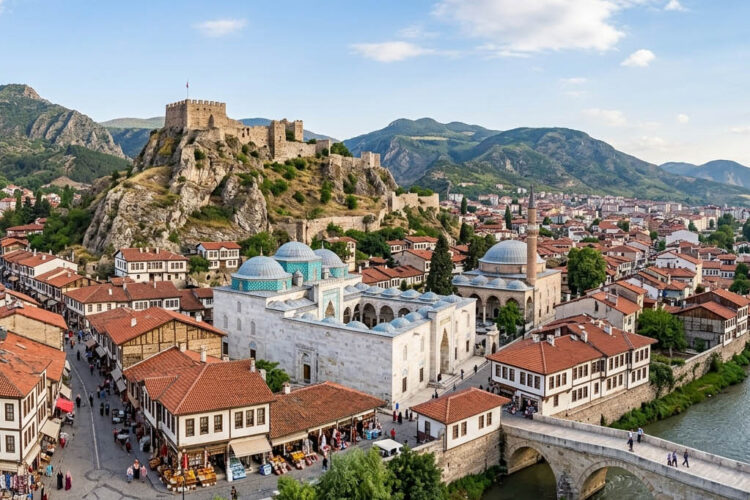
Edirne offers another strong example of how restored heritage is being packaged into accessible visitor circuits. Official route pages present the city through walkable combinations of Ottoman monuments, including Selimiye Mosque, caravanserais, bazaars, hammams, bridges and museums. Rather than competing for attention individually, these sites are framed as parts of a larger urban story.
This route-based presentation is useful for travellers who want structure without losing the pleasure of wandering. In Edirne, a visitor can move from monumental religious architecture to trade spaces, bathing culture, river crossings and museum collections in a way that reflects how the city historically functioned. It turns a day trip into a layered experience.
For communities and businesses, this is also good news. Walkable heritage circuits tend to spread footfall more evenly across a city, helping visitors discover smaller shops, local food spots and less-publicised institutions. That supports a more balanced tourism economy while giving guests a fuller sense of place than a quick stop at one iconic monument could provide.
Rural routes are expanding the heritage map
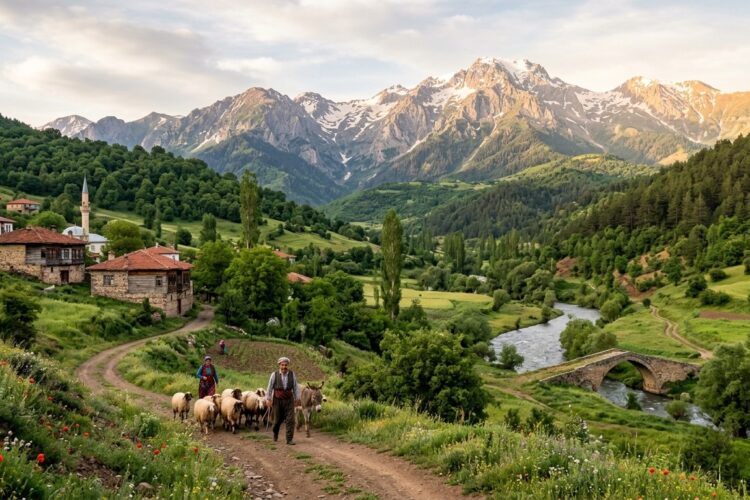
Heritage-led travel in Turkey is not only an urban story. The Efeler Yolu in İzmir shows how cultural routes are extending into villages, plateaus, ancient roads and mountain landscapes. This 500-kilometre route has 28 stages and connects travellers with cultural landscapes as much as with individual monuments. Its recognition as a Green Destinations Top 100 Stories project in 2023 adds international credibility to that model.
What makes Efeler Yolu especially interesting is the way wayfinding and local geography are integrated into the visitor experience. Red markings direct walkers towards mountain peaks, heritage sites and viewpoints, creating a trail that combines physical movement with historical discovery. It reflects a broader trend in which travel in Turkey is being shaped around immersion, not just arrival.
For visitors from the UK looking for slower, more responsible travel, routes like this offer a compelling alternative to crowded city breaks. They also help distribute tourism benefits across rural communities, supporting guesthouses, village producers, guides and transport services. In practical terms, that means heritage revival can bring new attention to places far beyond the classic tourism hotspots.
International recognition is raising the profile of Turkey’s routes
Another notable development is the way Türkiye is positioning its cultural routes as an international-standard tourism product. Official platforms feature route brands linked to the Council of Europe, including the European Route of Megalithic Culture, the European Route of Historic Thermal Towns, the European Route of Jewish Heritage and the European Route of Industrial Heritage in Türkiye. This gives Turkish destinations a stronger place within wider European travel conversations.
That international framing matters for credibility and discoverability. When routes align with recognised European cultural networks, they become easier for overseas visitors to understand and trust. They also appeal to travellers who want thematic trips with clear narratives, whether focused on archaeology, faith heritage, thermal culture or industrial history.
For the Turkish community in the UK, this can be especially valuable. It offers more ways to recommend Turkey not only as a place for family visits or summer holidays, but as a destination for thoughtful, high-quality cultural travel. It also opens opportunities for diaspora-led businesses, travel planners and content creators to highlight routes that feel both locally rooted and globally relevant.
Preservation and visitor access must move together
Restoration may be driving new travel interest, but the long-term success of heritage-led tourism depends on careful management. Göbekli Tepe remains one of the clearest examples. UNESCO’s 2025 conservation record notes continued upkeep at the site, including maintenance and repair on the access road and paved walkways, as well as reinforcement and replacement of boundary fencing. These are practical works, but they are essential for balancing preservation with visitor access.
At the same time, UNESCO’s 2025 monitoring for the Historic Areas of Istanbul shows that restoration pressure remains high in the city’s historic core. The report points to risks including commercial development, transport infrastructure and the decay and loss of Ottoman and vernacular architecture. It also references a visitor-management plan for Hagia Sophia, underscoring how heritage conservation is now closely tied to tourism flows and urban policy.
The same report shows that heritage management in Istanbul is linked to major planning decisions, with references to assessments around Yenikapı Cruise Port, Yedikule Fortress, the Abdi İpekçi Basketball Development Centre and the National Garden project near the land walls. In other words, heritage revival brings opportunity, but it also raises difficult questions about scale, protection and the future character of historic places.
Why this matters for travellers and communities
The wider message is that Turkey’s heritage revival is changing travel patterns in ways that can benefit both visitors and local communities. Official tourism messaging increasingly places “Sustainable Routes” and “Travel Responsibly” alongside cultural and historical content, signalling that restoration is being linked to sustainability as well as promotion. That is an encouraging direction, especially if it helps spread visitor flows across neighbourhoods and rural districts rather than concentrating them in a few overcrowded spots.
For travellers, the advantage is depth. A route-based holiday can combine restored monuments, local food, village life, craft traditions, performances and landscape, making the experience feel fuller and more memorable. For businesses, there is a chance to connect services with these cultural journeys, whether through accommodation, guiding, dining, transport or specialist retail.
For a UK-based audience with personal or professional ties to Turkey, this shift also creates fresh ways to engage with the country’s story. It invites people to return to familiar cities with new eyes, and to discover regions that might previously have sat outside the standard itinerary. In that sense, heritage-led travel is not just about preserving the past; it is about opening up new futures for local economies and cultural exchange.
As Turkey continues to invest in restored monuments and cultural routes, travel is becoming more connected, more place-based and, potentially, more sustainable. From Beyoğlu’s revived urban landmarks to Edirne’s Ottoman circuits, from Göbekli Tepe’s carefully maintained access to the long-distance landscapes of Efeler Yolu, the country is presenting heritage as a network of experiences rather than a collection of isolated sights.
That makes this an exciting moment for anyone planning a trip, promoting Turkish culture abroad or building services around travel and community links. The strongest opportunities may lie not only in the famous line sites, but in the routes between them, where restored heritage, local enterprise and cultural life come together. For visitors and businesses alike, Turkey’s heritage revival is helping reshape what meaningful travel can look like.