
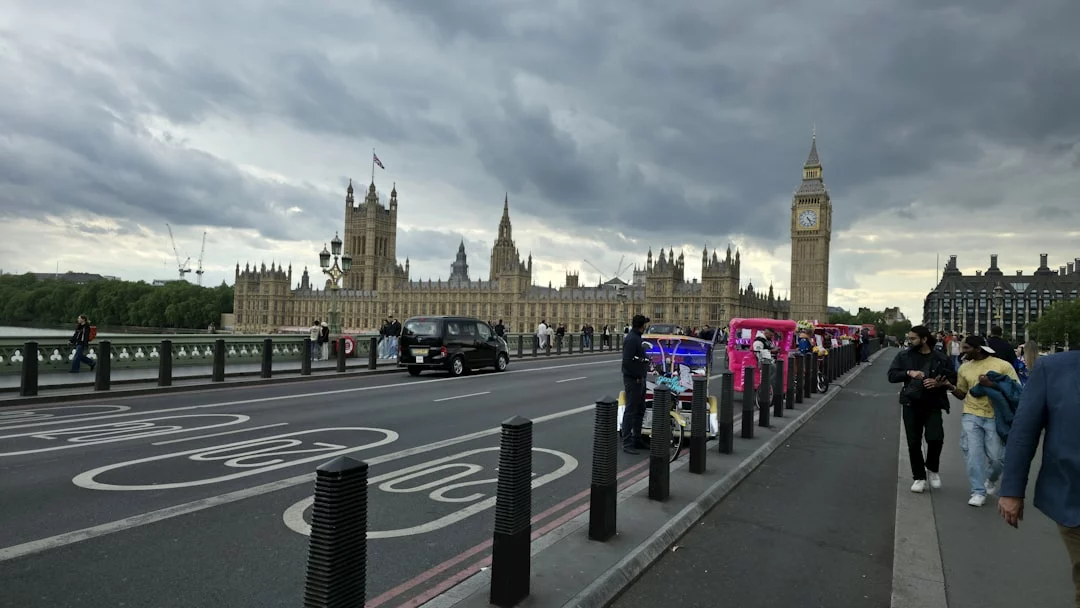
Zack Polanski selected as Green candidate in the Holborn and St Pancras by-election is more than a routine party announcement. In a seat once held by Keir Starmer, the choice of Zack Polanski gives the Green Party of England and Wales a highly visible face in one of London‘s most politically charged corners. It is a contest about identity, momentum, and whether the Greens can turn frustration with mainstream politics into a serious challenge inside the House of Commons.
Why this selection matters
A by-election is rarely just about the seat itself. It becomes a thermometer for public mood, party organisation, and the emotional temperature of a campaign. In Holborn and St Pancras, the Green choice matters because the constituency carries symbolism far beyond its boundaries: it is an electoral district that has long been associated with Labour strength, metropolitan activism, and arguments about how progressive politics should be translated into votes.
The contest is also shaped by the harsh arithmetic of first-past-the-post voting. Under that system, momentum alone is not enough; a candidate needs concentrated support, disciplined messaging, and enough local trust to overcome larger parties with deeper habit and infrastructure. That is why a selection decision can matter so much: it tells voters whether a party believes the contest is winnable, or whether it is mainly using the race to build profile.
Zack Polanski and the Green Party’s urban gamble
Zack Polanski brings more than a name to the campaign. He carries the kind of media recognition and urban political identity the Greens often need when they want to reach beyond protest voting and into the language of credibility. For a party associated in public debate with environmentalism, clean air, and climate urgency, a central London contest offers a chance to show that its appeal is not limited to lifestyle symbolism or single-issue campaigning.
That matters because modern Green strategy is increasingly about blending values with competence. The party’s strongest narrative is no longer simply opposition to pollution or road building; it is the argument that housing, transport, inequality, and climate are inseparable. Polanski’s candidacy suggests that the Greens want to frame this race as part of a broader struggle over what progressive politics should look like in a dense, expensive, and restless city.
His profile also links the campaign to the wider machinery of London Assembly politics, where visibility matters and local concerns can quickly become citywide arguments. In that sense, the selection is not just a tactical move; it is a statement that the Greens believe London can be one of their most important battlegrounds.
Holborn and St Pancras, where local pressure meets national politics
The geography of the London Borough of Camden gives this race unusual texture. The area is a mix of renters, students, professionals, long-standing communities, and highly mobile voters, all shaped by the pressures of central London life. The local council layer, including Camden London Borough Council, sits at the centre of everyday issues such as housing, licensing, public space, and services. That makes the contest a mirror of local government in England as much as a battle over Westminster branding.
For Labour, the challenge is obvious. The Labour Party still starts from a strong base, but in a constituency like this, no party can assume loyalty will survive frustration. Central London voters often judge candidates less by tribal identity than by whether they feel seen on rent, transport, public safety, and the daily cost of staying in the city. That makes the race especially sensitive to tone: a campaign that feels scripted can lose ground quickly to one that feels locally fluent.
At the same time, the result will be read as part of the broader politics of the United Kingdom. If the Greens perform strongly, even without winning, it strengthens the argument that they are becoming a durable urban force rather than a peripheral challenger. If they underperform, Labour will present the seat as evidence that its metropolitan coalition still holds under pressure.
What issues are likely to define the contest
Housing and the cost of living
No issue in Holborn and St Pancras can outrank housing. Rents, overcrowding, temporary accommodation, and the pressure of living in one of Europe’s most expensive cities are not abstract talking points; they are the backdrop to daily life. A Green campaign that speaks plainly about affordability, quality of life, and tenant security can find a receptive audience, especially among younger voters and long-term renters.
Climate, transport, and local identity
The Greens have a natural advantage when the conversation shifts toward clean air, transport reliability, and the future shape of the city. But they will need to connect those themes to lived experience rather than ideology. In a constituency defined by movement, congestion, and the constant negotiation of space, the best campaign will feel practical first and aspirational second. That is where Polanski’s pitch can either become compelling or sound too polished to persuade.
The real strategic question is whether this election becomes a referendum on Labour’s local stewardship, a showcase for the Greens’ alternative vision, or a tactical battlefield where voters try to send a message without fully rewriting the political map. In winner-takes-all politics, even a small shift in turnout can change the story more than the slogans do.
FAQ: what readers want to know
What is a by-election?
A by-election is a special election held between general elections to fill a vacant seat. In the UK, it can reveal how voters are reacting to national politics, local issues, and the performance of major parties.
Can the Greens realistically win Holborn and St Pancras?
It is difficult, but not impossible for a high-profile challenger to make inroads in a seat like this. Success depends on turnout, candidate appeal, tactical voting, and whether the campaign can turn broad dissatisfaction into a focused local coalition.
What this race will reveal next
The deepest insight from this selection is that modern electoral competition is no longer just about party labels; it is about who can translate the emotional reality of a place into a credible governing story. If Polanski turns the campaign into a disciplined argument about housing, fairness, and climate, the Greens could sharpen their claim to be a serious London force. If not, the race may still expose something important: that in a fragmented political era, even symbolic seats remain fiercely resistant to simple narratives. Watch the tone of the campaign, the turnout, and the ability of both Labour and the Greens to speak to the same city without sounding like they are living in different Londons.
Frequently Asked Questions
Why is Zack Polanski’s selection seen as more than a routine by-election decision?
Because it signals how seriously the Green Party views the contest. In a high-profile London seat, selecting a recognisable figure suggests the party wants to compete for credibility, not just publicity. It also tells voters the Greens believe the seat can help shape wider debates about progressive politics, housing, transport and climate in central London.
Why does Holborn and St Pancras matter so much to the Green Party?
The seat is symbolically important because it sits in one of London’s most politically engaged areas and was once held by Keir Starmer. A strong Green showing there would suggest the party can make inroads in places where Labour usually dominates, especially among voters frustrated with mainstream politics but still looking for a serious alternative.
Can the Greens realistically win under first-past-the-post in this kind of seat?
Winning is difficult, but not impossible if support is concentrated and the campaign is highly disciplined. First-past-the-post rewards local trust, name recognition and tactical clarity, so the Greens need more than broad sympathy. Even without victory, a strong result can still be politically valuable by proving the party can challenge larger rivals in urban constituencies.
What makes Zack Polanski a useful candidate for an urban campaign?
Polanski brings visibility and a political style that fits a dense, media-savvy constituency. That matters in central London, where voters often respond to candidates who can connect local problems to bigger issues. His profile helps the Greens present themselves as competent on housing, transport and inequality, not only as a protest or environmental party.
Why are local issues like housing and transport so central in this race?
In Holborn and St Pancras, many voters are renters, commuters or highly mobile residents facing the daily costs of living in central London. Housing pressure, transport reliability, public space and council services shape how people judge parties. That means a candidate’s ability to speak credibly about everyday life may matter more than party loyalty alone.