
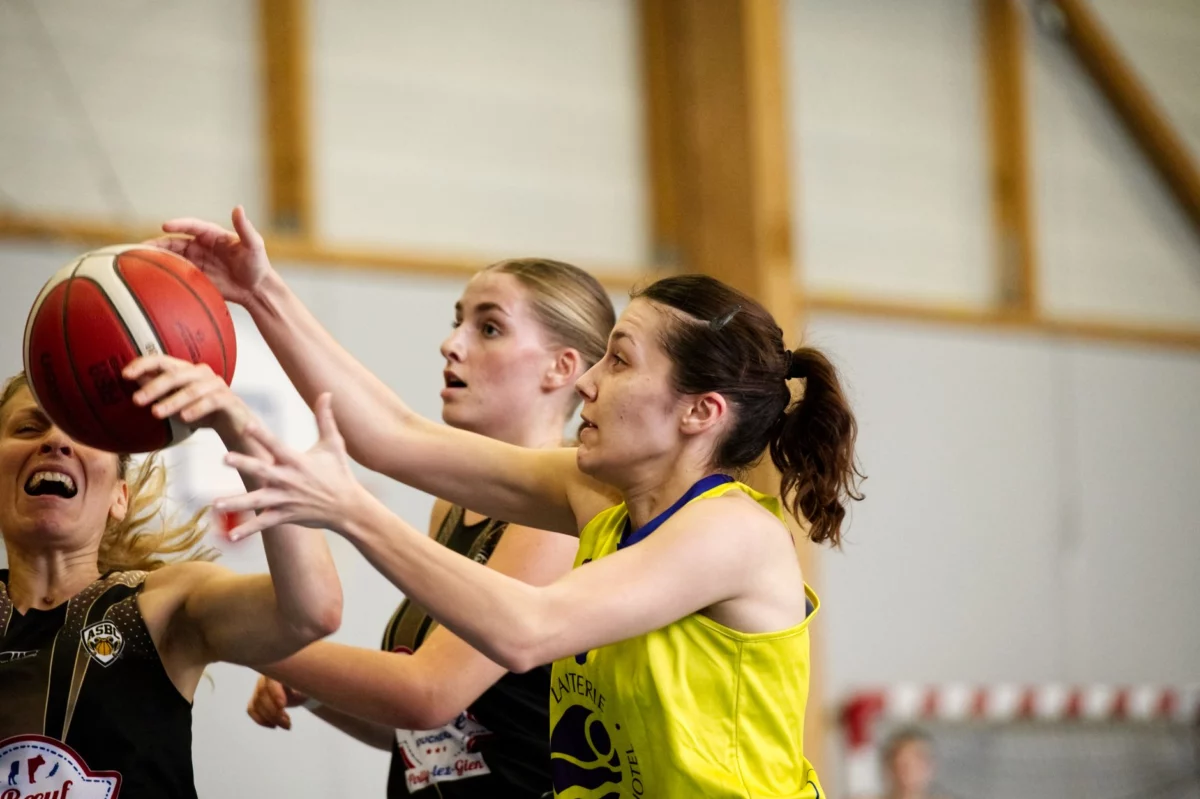
The women’s FIBA World Cup final between the United States and France is exactly the kind of matchup that turns a tournament into a story. It is a rematch with layers: the weight of an Olympic Games rivalry, the pressure of a one-game championship, and the contrast between the sport’s most established powerhouse and a French side that has made resistance part of its identity. When the U.S. and France reach a final, the game is never only about talent. It is about timing, belief, and the unforgiving geometry of elite basketball.
At the center of it all is the FIBA Women’s Basketball World Cup, the premier global stage for the women’s game outside the Olympics. Run by FIBA, the tournament rewards depth, discipline, and composure over a long week of pressure. That matters here because the final is not simply a ranking exercise. It is a live test of whether the United States women’s national basketball team can keep its usual grip on the title, or whether the France women’s national basketball team can turn a familiar giant into a vulnerable opponent.
Why this rematch feels bigger than a normal final
The headline says rematch, but the deeper meaning comes from what recent international basketball has taught us. The U.S. enters every major event carrying history, expectation, and a standard measured against itself. France, meanwhile, has become one of the most stubborn and tactically mature programs in the women’s game. The matchup has echoes of the 2024 Summer Olympics, where both teams were tested under the brightest possible lights. That Olympic memory makes this final feel sharper, because each side knows the other can survive the emotional weight of a medal game.
France earned its place by beating host Germany women’s national basketball team, a result that carried more than scoreboard value. Beating a host team often means defeating the crowd as well as the opponent. In the other semifinal, the Americans handled Spain, another program with serious international pedigree. Those two wins set up a final in which both teams arrive with validation, but only one leaves with the trophy.
In finals like this, depth is not a luxury; it is a survival mechanism.
What the semifinal wins revealed
The semifinal results did more than decide the final. They exposed the identities each team will bring into the title game. The United States looked like a team built to absorb runs and keep applying pressure. France looked like a team built to make opponents uncomfortable, then punish hesitation. That is why the title game promises such a fascinating contrast.
| Team | What the semifinal suggested | What must hold in the final |
|---|---|---|
| United States | Depth, athletic pressure, and the ability to win multiple kinds of possessions | Stay patient if France slows the tempo and tries to force a half-court game |
| France | Discipline, defensive toughness, and the willingness to make every point difficult | Protect the ball and survive the U.S. transition game without giving away easy looks |
United States: depth that wears opponents down
The Americans remain the benchmark because they can change the feel of a game without changing the lineup on paper. That is the hidden power of a program that is fed by the NCAA Division I women’s basketball tournament and refined in the Women’s National Basketball Association. The result is a roster with experience in big arenas, pressure possessions, and the physical demands of top-tier women’s basketball.
Against France, the U.S. will want pace. Fast starts matter because they force the opponent to defend in space before legs settle and rotations tighten. If the Americans can turn stops into transition offense, the French defense has less time to build its structure. Once the game becomes a race, the U.S. can lean on size, speed, and relentless pressure on the rim.
France: defense, patience, and tactical discomfort
France rarely beats elite opponents by trying to out-American the Americans. The smarter route is control. Slow the game, protect the paint, and turn every possession into a decision. A well-timed zone defense can blunt rhythm, especially if the U.S. begins settling for tough shots. The French also know that one hot stretch from the three-point field goal line can flip the pressure back onto the favorite.
This is where France’s broader experience in EuroBasket Women matters. European national teams often enter finals with a stronger habit of collective spacing and half-court structure. France’s best chance is to turn the game into a chess match, using a steady blend of execution and physical defense rather than chasing highlights.
The tactical key is the first five minutes
There is a simple reason the opening stretch matters so much: it tells you which team is imposing its preferred language. If the U.S. gets easy scores early, the final can start to feel like a flood. If France survives the opening burst and forces a slower rhythm, the pressure shifts. That is why the first five minutes may matter more than any single quarter of the game.
Watch the pick-and-roll actions, the ball pressure at the perimeter, and whether France can prevent easy catches close to the basket. These details sound small, but in a final they decide who gets comfortable first. The team that wins the most efficient possessions, not necessarily the most beautiful ones, usually wins the title.
For official tournament coverage, the best reference point remains FIBA, which tracks the event’s structure, standings, and championship context. Around the sport, fans and analysts will also compare this final to the best of international women’s competition, from the Olympics to the rhythm of the global pro scene.
Questions readers are asking
Why is this women’s FIBA World Cup final so important?
Because it is more than a trophy game. It is a meeting of two high-level national programs, a test of whether the U.S. still sets the standard, and a measure of how far France has come as a championship threat.
What gives France a realistic path to an upset?
France needs a controlled tempo, strong defensive rebounding, and enough shot-making to avoid a long scoring drought. If the game stays close into the final minutes, pressure can begin to work against the favorite.
What should fans watch most closely?
Pay attention to turnovers, transition chances, and three-point shooting. Those three factors often decide whether a final becomes a blowout, a grind, or a classic.
The next question is whether the gap is shrinking
If the United States wins again, the result will reinforce a familiar truth: the American program still possesses a depth and athletic ceiling that very few teams can match. If France wins, the message will be even louder. It would suggest that the global field is narrowing, that disciplined European systems can now survive the U.S. pressure long enough to finish the job, and that the title hierarchy in basketball is less fixed than it once seemed.
That is the real drama waiting inside this final. The immediate question is who lifts the trophy. The larger question is whether future women’s world championships will continue to belong to one dominant blueprint, or whether France and other contenders are helping redraw the map of elite international women’s basketball.
Frequently Asked Questions
Why does this USA vs France final feel different from a typical championship game?
Because it is not just a title game, it is a rematch with recent memory attached. Both teams have already tested each other under major pressure, including the Olympic stage, so there is less mystery about style and more focus on execution. That makes every adjustment, mistake, and run feel bigger than usual.
What is the biggest tactical advantage the United States has in this matchup?
Depth and tempo. The U.S. can keep pressure on for forty minutes without relying on one lineup to do everything. If it turns missed shots and defensive stops into transition chances, France has less time to set its half-court defense. That constant pace can gradually wear down even disciplined opponents.
How can France realistically make this final competitive against a deeper American roster?
France’s best path is to slow the game, protect the ball, and force the U.S. into longer possessions. If it can limit easy transition points and make every basket difficult, the game becomes about execution rather than athletic margin. In that kind of contest, discipline and defensive timing matter more than raw scoring volume.
Why are semifinals important here if the final is a completely new game?
The semifinal wins reveal each team’s current identity. The U.S. showed it can absorb pressure and keep pushing. France showed it can defend, stay composed, and beat a host nation under crowd pressure. Those traits often carry into the final, even though the scoreboard resets, because they reflect how teams handle stress.
Does beating a host team like Germany give France any extra advantage in the final?
Not directly on the scoreboard, but it can matter psychologically. Winning in front of a hostile crowd can strengthen belief and prove a team can handle emotional pressure. That experience may help France stay calm if the final swings against it early, especially against a team like the U.S. that thrives on momentum.
What usually decides a one-game final like this more than raw talent?
Turnovers, rebounding, and composure in key stretches often matter more than talent alone. In a single-game final, one careless stretch can erase an otherwise strong performance. The team that protects possessions, survives runs, and stays patient when the game gets tense usually has the best chance to finish on top.