
WTTC Global Summit Malta 2026 is not just another date on the travel calendar. With the World Travel & Tourism Council naming the Right Honourable Justin Trudeau as a headline speaker for the 7–9 October event in Valletta, the summit is turning into a timely conversation about how tourism, policy, investment, and international cooperation will shape the next phase of global travel.
If you want to understand what this announcement really means, this article breaks down the summit’s significance, why the Malta setting matters, and what travel leaders, policymakers, and destination marketers are likely to discuss. The core story is simple: the travel sector is entering 2026 with bigger questions about resilience, sustainability, and competitiveness, and the WTTC Global Summit Malta 2026 is built to confront them head-on.
Key Takeaways
- The WTTC Global Summit Malta 2026 signals a deeper connection between tourism strategy and economic policy.
- Justin Trudeau’s headline appearance adds political and global business relevance to the event.
- Valletta offers a strong setting for conversations about destination competitiveness, conference tourism, and regional connectivity.
- Expect major focus on sustainable growth, workforce capacity, digital transformation, and public-private collaboration.
Why does Justin Trudeau’s headline role matter for the WTTC Global Summit?
When a former head of government steps into a global tourism forum, the message is rarely limited to ceremony. It signals that travel and tourism are no longer being discussed as a narrow hospitality topic; they are being treated as a strategic economic issue that touches jobs, trade, infrastructure, and national brand power.
Justin Trudeau’s presence will likely draw attention because tourism leadership today depends on more than marketing language. It requires credible dialogue about mobility, labor, climate policy, international relations, and the conditions that allow destinations to welcome visitors without sacrificing quality of life for residents.
That is where the WTTC summit stands out. The event is not designed as a passive stage for speeches; it is a gathering where political visibility, business influence, and destination planning intersect in a single room. For attendees, that combination often creates the conditions for real decisions, not just polished talking points.
In 2026, the tourism conversation is especially sensitive to policy signals. Border friction, aviation constraints, environmental expectations, and workforce shortages all shape how easily people move and how confidently businesses invest. A speaker with national leadership experience can sharpen those discussions by connecting tourism to the broader machinery of governance.
What does the Malta summit reveal about the travel and tourism agenda for 2026?
The choice of Malta, and specifically Valletta, tells a compelling story about where the industry thinks value will be created next. Tourism leaders are no longer focused only on recovery; they are focused on quality growth, stronger destination management, and the ability to keep travel profitable while making it more responsible.
That shift matters because the sector is operating in a more complex environment than it did even a few years ago. Travelers expect smoother digital experiences, governments are under pressure to manage sustainability commitments, and businesses need returns that justify long-term investment in hotels, routes, attractions, and events.
WTTC has long positioned travel and tourism as a major engine for jobs and economic activity, and that perspective still shapes the summit agenda. The practical question in 2026 is not whether travel matters; it is how destinations can protect that value while handling congestion, decarbonization, and changing visitor expectations.
For that reason, the summit is likely to emphasize the decisions that influence competitiveness in the real world: airport access, visa efficiency, urban mobility, workforce readiness, and how public and private leaders coordinate instead of competing for control.
What themes are likely to dominate the conversation?
Several topics are almost guaranteed to surface because they sit at the center of modern tourism strategy. Sustainability is one, but not in an abstract sense. Leaders now want to know how destinations can lower emissions, protect local character, and still win events, leisure demand, and business travel.
Digital transformation is another. In practical terms, that includes AI-powered trip planning, faster check-in and identity systems, data-driven destination marketing, and better revenue management. Travelers increasingly compare every touchpoint against the speed and simplicity they experience in other sectors, and tourism brands cannot afford to fall behind.
Talent will also matter. Hospitality, aviation, and destination services rely on people with operational skill, cultural fluency, and customer care expertise. If the industry wants to grow responsibly, it has to make work in travel more attractive, more stable, and more future-ready.
Connectivity remains the final pillar. Routes, rail links, port access, and airport capacity all influence whether a destination can scale demand without breaking the visitor experience. In 2026, the best tourism strategies will be the ones that treat infrastructure as part of the brand.
Sustainable growth without losing demand
One of the most important shifts in travel leadership is the move from growth at any cost to growth with guardrails. Destinations want higher-yield visitors, longer stays, and broader economic benefits, but they also need to preserve the authenticity that makes people want to visit in the first place.
That means balancing conservation, community needs, and commercial ambition. It is a delicate equation, and the summit gives leaders a venue to debate it openly rather than in fragments across separate trade events.
AI, automation, and the guest experience
Artificial intelligence is quickly becoming a practical tool in tourism rather than a futuristic talking point. From personalized recommendations to predictive staffing, AI can reduce friction and improve responsiveness when used carefully.
But the sector is still learning where automation helps and where human service remains essential. A summit like this is valuable because it lets executives compare approaches, share failures, and identify where technology genuinely improves the visitor journey.
Workforce resilience and service quality
No destination can promise unforgettable experiences without a capable workforce behind it. Recruitment, training, retention, and skills development are now central to tourism competitiveness, especially as demand patterns become more seasonal and labor markets remain tight.
The most successful operators in 2026 will likely be those that treat employees as a strategic asset, not a cost line. That includes better career pathways, stronger leadership pipelines, and clearer links between education and industry needs.
Why is Valletta a strategic stage for a global travel summit?
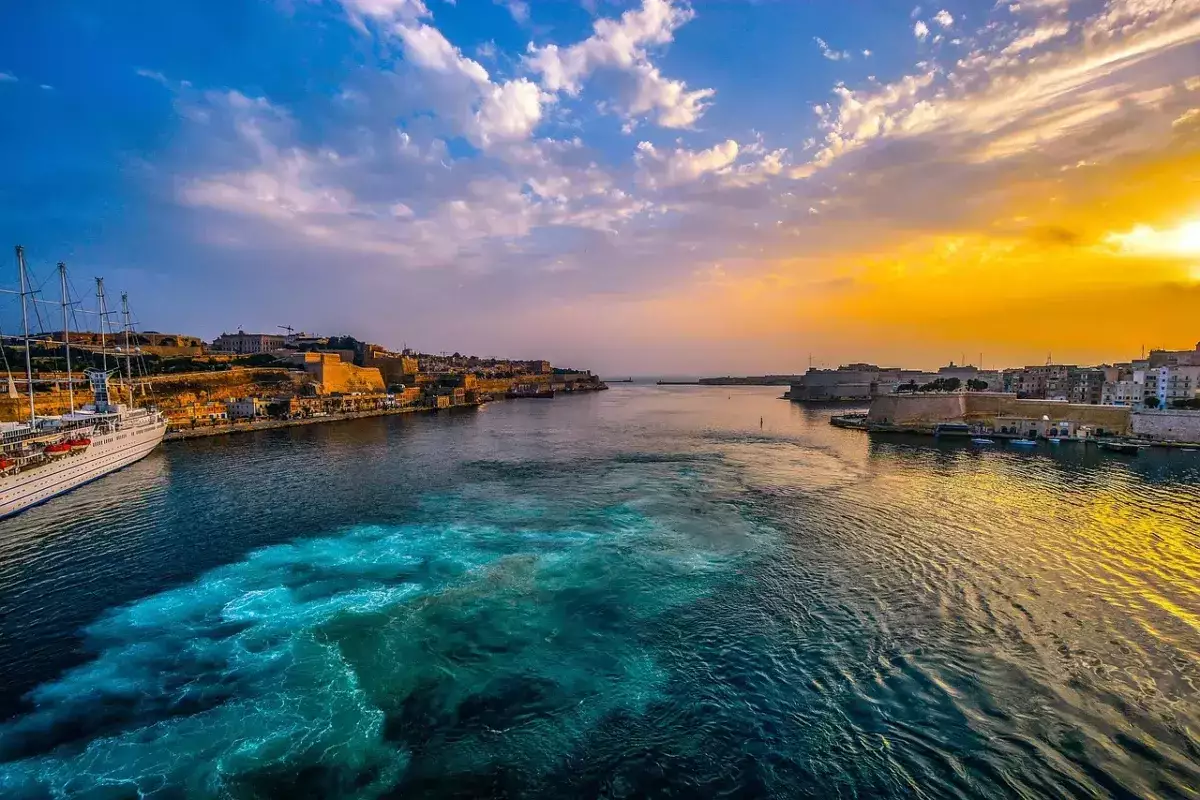
Valletta brings more than beauty to the conversation. As a compact, internationally recognized city with deep heritage and a strong tourism identity, it offers a live example of the balancing act that many destinations now face: how to welcome global demand while protecting local character and quality of life.
That is why host-city choice matters so much for a summit like this. A destination with conference infrastructure, cultural depth, and easy narrative power can reinforce the themes on stage. Malta is not simply hosting the event; it is part of the message about what a successful tourism destination can look like in a crowded, competitive market.
For official event details, themes, and venue context, the WTTC Global Summit official page remains the most reliable source and the clearest place to verify summit information.
Valletta also matters because conference tourism is a powerful economic lever. A global summit brings delegates, media, government leaders, and corporate decision-makers into one city, creating exposure that can ripple well beyond the event dates. Hotels, restaurants, transport providers, and local suppliers all benefit when a destination can host a meeting of this scale.
What do the attendance numbers say about industry priorities?
The scale of the Malta summit is one of the strongest clues about its influence. With more than 1,000 delegates from over 100 countries and more than 200 travel and tourism CEOs, senior executives, and government leaders expected to attend, this is a serious policy and business forum rather than a ceremonial gathering.
Those numbers matter because they reveal where the industry wants to spend its attention. Leaders are not flying in for general inspiration alone; they are showing up to compare strategies, build partnerships, and test ideas against the realities of capital allocation, regulation, and consumer demand.
That kind of room can shape outcomes in visible and invisible ways. A hotel group may leave with a new sustainability partnership. A destination marketing organization may rethink its shoulder-season strategy. A government delegate may return home with a clearer view of how tourism policy connects to transport and trade priorities.
This is the practical power of a global summit: it compresses months of separate conversations into three high-intensity days. When the right people are in the same place, the industry gets faster feedback, sharper alignment, and a better chance to move from ideas to implementation.
What should travel brands, destinations, and policymakers do next?
Anyone following the WTTC Global Summit Malta 2026 should use the announcement as more than a headline. It is a signal to prepare for a year in which tourism leadership will be measured by adaptability, evidence, and the ability to align commercial growth with public trust.
Travel brands should arrive with a clear view of what they can improve in the guest journey, especially in areas like digital booking, frictionless arrivals, and service consistency. Destinations should be ready to discuss carrying capacity, event strategy, mobility, and how they will communicate value to both residents and visitors. Policymakers should come prepared to connect tourism goals with labor, infrastructure, and sustainability policy rather than treating them as separate portfolios.
If you are tracking the future of tourism, the smartest next step is to follow the summit agenda, map the speakers to your own strategic priorities, and identify the policy or business issue you most need to solve in 2026. The real value of this event will come from turning global conversation into practical action, and the organizations that prepare early are the ones most likely to benefit when the right people gather in Valletta.
Frequently Asked Questions
Why is Malta a strategically important host for a global travel summit like this?
Malta offers a compact but highly symbolic setting for discussions about destination competitiveness, connectivity, and conference tourism. Valletta, in particular, reflects how smaller destinations can compete globally by combining cultural appeal, accessibility, and policy coordination. That makes it a useful backdrop for conversations about scalable tourism models rather than just large-market recovery.
What can travel leaders realistically expect to gain from the summit beyond visibility?
Beyond networking, attendees can gain insight into how political priorities, investment decisions, and sustainability demands are reshaping tourism strategy. The value lies in hearing how other leaders approach workforce shortages, digital transformation, and public-private collaboration. For many businesses, those discussions can help guide route planning, destination partnerships, and long-term capital decisions.
Why does Justin Trudeau's presence matter if the event is focused on tourism?
A former head of government brings a policy lens that can elevate tourism beyond a marketing conversation. His presence signals that travel is being treated as an economic and geopolitical issue tied to mobility, labor, climate expectations, and international cooperation. That can make the summit more relevant to investors, policymakers, and destination leaders alike.
Is the summit mainly about recovery, or is the agenda already moving beyond that stage?
The agenda is clearly moving beyond recovery. In 2026, the bigger questions are about how to grow sustainably, remain competitive, and manage visitor demand without damaging local quality of life. The summit is likely to focus on practical levers such as airport access, visa efficiency, workforce capacity, and smarter destination management.
Why are sustainability and competitiveness discussed together instead of as separate goals?
They are increasingly linked because destinations cannot stay competitive if they ignore environmental pressure, congestion, or resident backlash. At the same time, sustainability must still support investment, jobs, and visitor growth. The summit’s likely message is that the strongest destinations will be those that balance long-term resilience with commercial performance.