
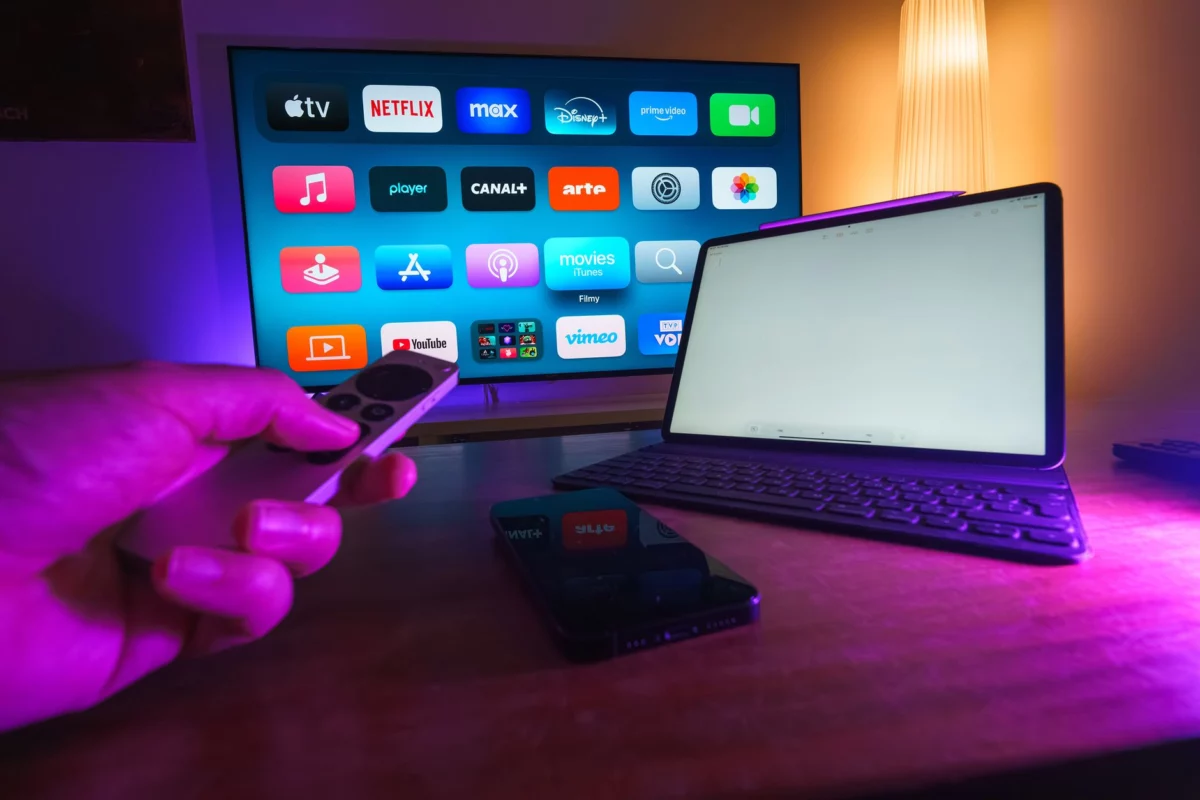
The Nvidia Shield TV price hike is more than a strange footnote in the streaming market. It is a sign that even mature hardware can get more expensive when the underlying parts market turns against it. The Shield TV, built by NVIDIA, has long been one of the most respected streaming media player options, especially for people who care about speed, codec support, and local media. But when a seven-year-old box gets pricier instead of cheaper, the real story is not just about one device. It is about how artificial intelligence and generative artificial intelligence are reshaping the cost of memory across consumer electronics.
That matters because the Shield TV is not a disposable streaming stick with a short shelf life. It is a premium, long-lived device that sits at the intersection of Android TV, gaming heritage, and home theater enthusiasts who still want a compact box with serious performance. When the market for random-access memory and other forms of semiconductor memory tightens, even an aging set-top box can feel the pressure.
Why a seven-year-old streaming box can get more expensive
Most consumer hardware follows a simple pattern: launch at a premium, then gradually get cheaper as manufacturing improves and inventory ages. The Shield TV breaks that expectation because it is not a mass-market gadget competing only on volume. It is a niche, high-trust product with a loyal audience, and its price depends on more than age. The device still draws buyers who want better performance than a basic stick, and it still has a reputation that few rivals match.
That makes the current streaming device memory costs story especially important. Older products often rely on older parts, but older parts are not always cheap. If suppliers shift capacity toward higher-margin data center components, the remaining consumer-grade memory supply can become tighter and less flexible. That is where the economics of a mature product change.
The memory market does not care that a product is old
The broader market is being pushed by demand from AI infrastructure, which consumes large volumes of memory in data centers. In practical terms, that means fabs, module makers, and distributors can prioritize higher-value contracts. Even if a streaming box does not use the exact same memory type as an AI accelerator, the market is connected enough that pressure can spill over. The result is that older devices may not get the same cost relief they once did.
That spillover effect is easier to understand if you think about the parts of a device that matter most to pricing: memory, storage, controller chips, packaging, logistics, and certification. A mature product can have a stable design but still face a changing bill of materials. Once that happens, the price floor rises.
What makes the Shield TV unusually vulnerable
The Shield line has always occupied a premium niche. It is not trying to be the cheapest box in the room; it is trying to be the one enthusiasts keep recommending. The platform’s long life is one reason it remains popular, but it also means there is limited volume to spread out cost increases. A mass-market consumer electronics product can absorb some shocks through scale. A smaller one often cannot.
There is also a branding effect. A product with a strong reputation can support a higher price even years after launch if buyers still see real value in it. The Shield TV has that advantage, which is part of why a price increase is possible at all.
| Factor | Why it matters | Effect on price |
|---|---|---|
| AI memory demand | Data centers consume more memory capacity | Consumer supply can tighten |
| Lower product volume | Niche devices have less bargaining power | Less room to absorb costs |
| Strong brand reputation | Buyers accept higher prices for trusted hardware | Retail pricing becomes stickier |
How AI is pushing memory prices upward
To understand the current market, you have to separate the hype from the hardware. AI is not just a software trend; it is a physical infrastructure boom. Model training and inference rely on huge clusters of servers, and those servers need memory bandwidth, storage, and a steady pipeline of components. The effect is especially visible in memory categories tied to modern data centers, but the pull can spread across the broader market when capacity is constrained.
That is why discussions about component prices increasingly sit alongside debates about infrastructure, cloud computing, and the economics of scale. Even if a streaming box is not built from cutting-edge AI parts, its memory and storage are part of the same industrial ecosystem. When the ecosystem re-prices memory upward, downstream devices feel it.
This also helps explain why people comparing today’s market to the past often reach for ideas like Moore’s law. For years, consumers assumed hardware would get cheaper or better at a predictable pace. That expectation can break when demand shocks are concentrated in one part of the supply chain. The result is that pricing becomes less about age and more about where the component markets are headed.
Why supply chains matter even more than headlines
Memory pricing is not determined by a single event. It is shaped by procurement cycles, fabrication capacity, inventory, transportation, and long-term contracts. The supply chain for semiconductors is especially sensitive because factories cannot instantly pivot from one part mix to another. When AI demand surges, consumer devices do not get an automatic exemption.
This is also where the conversation about inflation becomes more nuanced. General inflation can raise costs across the board, but component-specific shocks can be even more visible in tech because they affect products with relatively small margins. A streaming player, router, or smart display can see a bigger retail response than a large appliance with more pricing cushion.
What the Shield TV reveals about premium streaming hardware
The Shield TV has always been popular with power users because it does more than stream video. It functions as a flexible hub for people building a compact media stack. That is why the device still comes up in discussions about home theater PC replacements, local playback, and app compatibility. It is a streaming box for people who care about details.
For some households, the value proposition is clear. If you use Plex, Kodi, or a living-room setup that demands strong format support, the Shield TV may still outperform cheaper alternatives. If your use case is basic app launching and casual streaming, the calculation changes. The higher price then looks less like a bargain and more like a premium tax on specialization.
That is also why comparisons with Apple TV, Amazon Fire TV, and Google TV devices are useful. Those products may compete for the same living room space, but they do not all compete on the same technical terms. The Shield TV has historically been the one enthusiasts choose when picture processing, app flexibility, and advanced playback features matter more than sticker price.
NVIDIA’s official Shield information page remains the best place to verify current software support and product details before buying. That matters because the value of premium hardware is tied not only to the chipset but also to update policy, codec support, and long-term compatibility.
Older hardware can still command a premium
There is a subtle but important lesson here: old hardware does not always become cheap hardware. If a product retains a strong reputation, useful software support, and a narrow but loyal audience, it can behave more like a collectible than a clearance item. The Tegra-powered design at the heart of the Shield line has become part of that story. The hardware is mature, but the platform still has fans who value its reliability.
That tension explains the price move better than any single cause. The market is not simply reacting to nostalgia. It is pricing a product that still solves real problems for a specific audience while facing higher component costs than buyers may expect from an older box.
What buyers should evaluate before paying the higher price
If you are considering a Shield TV now, the smartest approach is to compare the price increase against your actual use case rather than against the product’s age. A seven-year-old device is only old in calendar terms. In the living room, relevance depends on what you need it to do.
- Check your core use case: If you only need mainstream streaming apps, cheaper devices may be enough.
- Look at local media needs: If you rely on Plex, Kodi, or advanced codec support, the Shield TV may still be the better fit.
- Compare update support: Software support can matter more than raw hardware age.
- Assess long-term value: A device that lasts longer may justify a higher upfront price.
- Watch for substitutes: A newer box may offer similar playback quality at a lower total cost.
One practical mistake is buying purely on habit. Many enthusiasts remember the Shield TV as the obvious premium choice, but the market around it has changed. Some rivals have caught up in everyday streaming performance, even if they still lag in a few enthusiast-friendly features.
What this means for the wider hardware market
The bigger story is not limited to one streaming box. If AI continues to absorb large amounts of memory supply, more consumer products could face similar pricing pressure. That includes devices where memory is a meaningful part of the cost structure: routers, tablets, smart displays, mini PCs, and some gaming accessories. The specific effect will vary, but the direction is clear enough to watch.
This could also change how manufacturers think about product lifecycles. In the past, a mature device could quietly get cheaper until it disappeared. Under tighter memory conditions, companies may keep pricing firmer for longer, especially if a product has a devoted audience and little direct competition. That is a big shift for buyers who are used to waiting for a deal.
In that sense, the Nvidia Shield TV is a useful case study. It shows how the economics of AI can reach far beyond the server room and into the living room. A device does not have to be new to be affected by new technology.
Frequently asked questions about the price increase
Why did the Nvidia Shield TV get more expensive?
The most likely explanation is a mix of higher component costs, especially around memory, and the fact that the Shield TV is a niche product with limited volume. When supplies tighten, premium devices can absorb less of the shock than mass-market hardware.
Is the Shield TV still worth buying at a higher price?
It can be, but only if you value its strengths: robust streaming performance, strong app support, and better fit for advanced media setups. If you mainly want basic streaming, there are cheaper alternatives.
Will AI keep pushing consumer hardware prices up?
It is possible, especially if AI infrastructure continues to draw heavily on memory supply. The effect will not be the same for every product, but memory-sensitive devices are the most exposed to price pressure.
What to watch next as memory stays expensive
The most important insight is that hardware pricing is becoming more segmented. A device can be old, useful, and still expensive if it sits in a market where memory is scarce and the audience is loyal. That means the next few years may reward buyers who pay closer attention to component trends instead of assuming age alone will drive prices down.
Watch the memory market, retailer promotions, and the release cadence of premium streaming boxes. If AI demand remains strong, the next price shock may not come from flashy flagship phones or servers. It may show up quietly in the products people assume should be getting cheaper with age. That is the real lesson of the Shield TV price hike: in a memory-constrained era, time does not always make hardware cheaper; sometimes it just makes its economics more obvious.
Frequently Asked Questions
Why would an older streaming box like the Shield TV get more expensive instead of cheaper over time?
Because its price is tied not just to age, but to parts availability and market pressure. If memory and other components become more expensive due to supply constraints, a mature product can lose the usual benefit of declining hardware costs. For niche devices, those higher input costs can show up directly in retail pricing.
Is the Shield TV price hike mainly about the device itself, or about the wider memory market?
It is mostly about the wider memory market. The article argues that AI-driven demand for memory in data centers can tighten supply across the electronics ecosystem. Even if the Shield TV is not competing for the same exact parts as AI servers, the overall cost pressure can still raise its bill of materials and price floor.
Does a higher price mean the Shield TV has become a better value or a worse one?
Not necessarily worse, but the value equation changes. The Shield TV still stands out for speed, codec support, and long-term reliability, which is why buyers accept its premium position. However, a higher price makes it harder to justify against cheaper streaming devices unless you specifically need those advanced features.
Why are niche streaming devices more vulnerable to component cost increases than mass-market sticks?
Niche devices usually sell in lower volumes, so they have less leverage with suppliers and less room to absorb margin pressure. Mass-market products can spread rising costs across far more units, but a premium box like the Shield TV depends on a smaller, loyal audience and is therefore more exposed to parts inflation.
Should consumers expect other long-lived electronics to get pricier for the same reason?
Yes, that is a realistic possibility. Any product that depends on memory, storage, or related semiconductor components can be affected when AI demand pulls capacity toward data centers. Older or mature hardware is not automatically protected from market changes, especially if it uses parts that are still actively supplied rather than obsolete.