
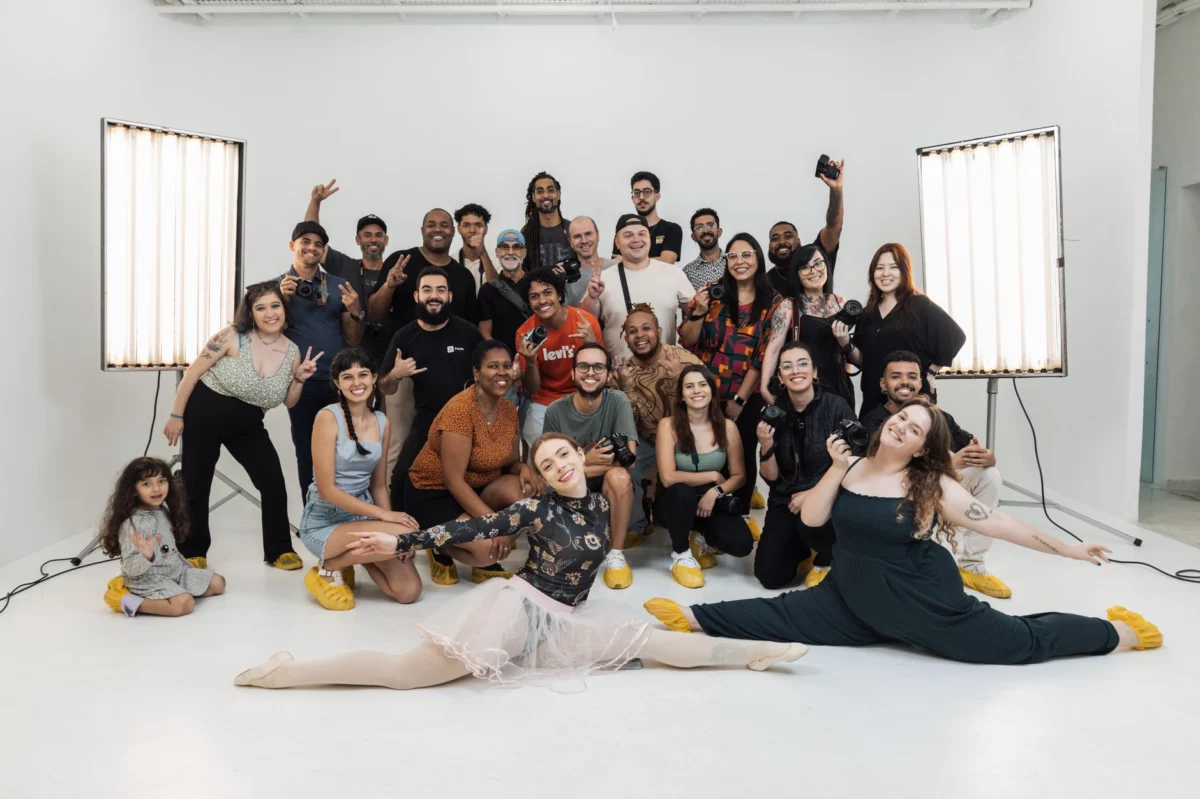
The first official Strictly Come Dancing cast photo is never just a publicity image. It is a controlled announcement of intent: the BBC is not only telling viewers who will appear, but also what kind of television experience to expect. The new group portrait, released as the class of 2026 prepares to return to the famous dancefloor, frames the season as a story of visible change. That is the central appeal of Strictly Come Dancing: the audience is asked to watch celebrities become something more polished, more disciplined, and sometimes more surprising than their public image suggests.
The picture matters because Strictly Come Dancing ballroom transformations are not an accidental by-product of the format. They are the format. Hair, makeup, posture, costume, and stance do as much narrative work as choreography. Before a single step is judged, the show has already begun selling a transformation story. That is why a cast portrait can function like a trailer, a branding exercise, and a declaration of editorial priorities all at once.
The strategic job of the first official photo
In a crowded media market, the first official cast image does three things at once. It compresses the ensemble into a single shareable asset, gives press outlets a clean visual hook, and tells long-time viewers that the new series will still obey the familiar grammar of reveal, rehearsal, and performance. This is standard public relations, but on Strictly the image has a special burden because the show depends on a weekly cycle of anticipation.
The BBC understands that BBC entertainment brands work best when they feel both dependable and renewed. The launch photograph is therefore not a neutral group shot. It is a promise that the season will deliver the same basic ritual within a slightly different emotional register. That balance is crucial to reality television, where familiarity creates comfort and novelty keeps the audience curious.
Why the image is about identity, not information
The photo does not need to reveal a full cast narrative because its real purpose is symbolic. It asks viewers to read the contestants as a unified class before they can be sorted into winners, underdogs, favorites, and disappointments. In practical terms, that is a smart way to launch a season of live competition: the audience sees the group as a social event first and a results table later.
That is also why the styling matters. The image aesthetic usually hints at the show’s core tension between ordinariness and performance. A celebrity may arrive with a public persona built on comedy, sport, newsreading, or acting, but the photograph recodes that person as a candidate for disciplined elegance. The shift from everyday presence to stylized ballroom figure is the show’s first narrative beat.
Ballroom transformation as television grammar
Strictly is built on contrast. It turns non-dancers into people who must learn the structure of ballroom dance and Latin dance under intense time pressure. The transformation is visible long before the choreography becomes technically convincing. A straighter spine, better frame, improved balance, and a more intentional line through the hands all communicate progress to the viewer. The launch photo hints at that future change by showing contestants already suspended between who they are and who they might become.
Styling, posture, and silhouette
In television terms, silhouette is argument. A sequined dress, a sharply tailored suit, or a more dramatic hair and makeup treatment immediately signals that this is not an ordinary ensemble portrait. The message is that the production has already started the process of conversion. On a practical level, that matters because viewers often judge improvement visually before they can judge technique.
Costume and styling also establish hierarchy within the frame. The best promotional photos avoid dead symmetry; they create small tensions through pose, color, and spacing. That gives the image movement even while it remains still. It is a surprisingly demanding form of visual storytelling, closer to stage publicity than casual photography.
The dance styles set the expectation
The show’s competitive range gives the photograph another layer of meaning. Viewers know the season will eventually move through dances such as the waltz, foxtrot, quickstep, tango, cha-cha-cha, salsa, jive, rumba, samba, and paso doble. Those forms are not interchangeable. Each asks for a different emotional register, body mechanics, and performance style.
That is why the first image is so effective: it does not need to explain the technical structure of the season. The audience already knows that a contestant who looks elegant in a still photograph may struggle with rhythm, endurance, or partnering once the live television pressure arrives. The tension between appearance and execution is the engine of the format.
What the BBC brand is really selling
Strictly remains one of the BBC’s most valuable entertainment properties because it turns a predictable competition into a national conversation. The reveal photo helps preserve that status by making the season feel eventful before it even starts. In this sense, the image is a branding mechanism: it presents the show as polished, communal, and accessible while also hinting at a disciplined production machine behind the scenes.
That machine is part of the appeal. Viewers are not only watching dancing; they are watching a weekly process of training, pressure, judging, and public reaction. The show’s structure resembles a hybrid of variety entertainment, celebrity branding, and elimination competition. Its place in the history of Strictly Come Dancing also matters because long-running formats depend on ritualized anticipation. If the launch looks rushed or flat, the season can feel smaller before it begins.
The BBC’s official programme page for Strictly Come Dancing reinforces that the show is still treated as a flagship title rather than disposable light entertainment. That status makes every visual announcement part of a larger institutional statement: this is a show that still commands attention, still generates debate, and still knows how to stage a reveal.
Where the transformation narrative can mislead
There is, however, a risk in over-reading the launch image. A polished portrait can create the impression that all contestants are equally prepared, equally confident, or equally suited to the competition. They are not. Strictly is defined by unevenness. Some celebrities adapt quickly to timing and frame; others need longer to internalize rhythm, partnering, and performance discipline. Injuries, nerves, and simple physical mismatch can flatten even the most photogenic start.
That is why the first image should be read as a promise, not a proof. The show repeatedly demonstrates that charisma in a still image does not guarantee competence on the floor. A contestant may look transformed on camera yet still struggle with the footwork of a quickstep or the controlled intensity of a tango. The portrait signals potential; the live weeks decide whether that potential can survive scrutiny.
The danger of treating style as substance
Critics often fall into the same trap as casual viewers: they assume that improved styling means improved dancing. That is an understandable but shallow reading. On Strictly, visual polish can be produced quickly by wardrobe, lighting, and hair and makeup. Technical dancing takes longer and is harder to fake. The production knows this, which is why the first official image is carefully composed to imply momentum without claiming success.
That distinction matters because it explains why the show still works after so many seasons. The audience is not simply watching a makeover; it is watching whether the makeover can be justified by performance. This is a much sharper tension than generic celebrity glamour, and it is the reason the image can generate conversation without revealing much at all.
How to read the portrait like a critic
If you want to understand what the launch photograph is doing, look for the following:
- Body language: who looks relaxed, who looks staged, and who seems already comfortable in front of the camera.
- Costume coding: whether the styling leans toward classic ballroom polish or a more modern, playful interpretation.
- Spatial hierarchy: how the production arranges the cast to suggest ensemble unity while still preserving individuality.
- Emotional signal: whether the image reads as glamorous, humorous, competitive, or sentimental.
- Promise of arc: whether the cast appears ready to transform, not just pose.
These details may seem minor, but they are how television communicates before the first routine is ever scored. The best promotional images create a narrative frame that the audience can carry into the live shows. The worst ones feel generic and forgettable, which is fatal for a programme that relies on public affection as much as technical merit.
FAQ: What viewers want to know before the season starts
Why does Strictly Come Dancing release a cast photo first?
Because the image does the work of a teaser, a press asset, and a branding statement at the same time. It also helps the BBC control the first impression of the new season instead of leaving the conversation to speculation.
Does the first photo reveal who will dance well?
No. It may reveal confidence, styling, and camera presence, but it says little about timing, stamina, partnership, or technique. Those qualities become visible only once rehearsals and live performances begin.
What makes a Strictly launch image effective?
It should look polished without feeling overproduced. The best images suggest motion, personality, and progression while still preserving the basic ensemble identity of the cast.
What to watch when the live dances begin
The most important thing to watch is whether the visual promise survives contact with the floor. The launch photo is a statement of possibility; the live show is the test of whether that possibility has structure behind it. Viewers should pay attention to how quickly contestants move from costume-led transformation to genuine technical command, because that is where the show separates image from achievement.
The deeper question is whether Strictly can continue to make transformation feel fresh without changing its formula beyond recognition. For now, the answer seems to be yes, because the format remains elegant in its simplicity: take a group of public figures, dress them into the language of ballroom dance, and ask the audience to decide who has changed in substance rather than appearance. The first official cast photo is just the opening move. The real verdict comes when the music starts and the image has to prove it was more than a pose.
SEO DATA
Primary Focus Keyphrase: Strictly Come Dancing cast photo
Related Keyphrase 2: Strictly Come Dancing ballroom transformations
Related Keyphrase 3: first official Strictly cast picture
Related Keyphrase 4: why does Strictly Come Dancing use cast photos
Related Keyphrase 5: BBC dance show promotional photography
Primary Keyphrase Synonyms:
Strictly cast portrait, official group snap, celebrity dance line-up, launch photo, ensemble cast image
SEO Title:
Strictly Come Dancing Cast Photo: What the First Official Snap Reveals
Meta Description:
The Strictly Come Dancing cast photo is more than a teaser. See how the BBC uses it to shape hype, identity, and ballroom transformation.
URL Slug:
strictly-come-dancing-cast-photo
Image Filename:
strictly-come-dancing-cast-photo-ballroom-transformations.jpg
Image ALT Text:
Official Strictly Come Dancing cast photo showing celebrities in ballroom-inspired transformations
Image Title:
Strictly Come Dancing cast photo
Image Caption:
The first official cast snap turns anticipation into a visual promise of ballroom transformation.
Search Intent:
Informational
Frequently Asked Questions
Why does the first official Strictly Come Dancing cast photo matter so much?
Because it is more than a publicity image: it acts like a statement of strategy. The photo tells viewers what kind of season to expect, introduces the new cast as a unified event, and starts the transformation narrative before any dancing begins. In Strictly, the launch image is part trailer, part branding tool, and part promise of the series’ tone.
What can viewers actually learn from the cast photo if it does not show performances?
It reveals the show’s priorities rather than the results. Viewers can read styling, posture, spacing, and overall mood as clues to how the BBC wants the cast perceived. The image helps position contestants as contenders, underdogs, or familiar personalities being reimagined for ballroom television, even before the competition starts.
Why is transformation such a central part of Strictly Come Dancing’s appeal?
Because the format is built around visible change. Strictly does not just present celebrities dancing; it shows them becoming more polished, disciplined, and expressive over time. The audience is invited to track progress in posture, frame, confidence, and presentation, which makes improvement feel as important as scoring or elimination.
How does styling in the cast photo influence the way audiences judge the contestants?
Styling sets the first emotional frame. Hair, makeup, costume, and pose can recode a celebrity from a familiar public figure into someone who looks ready for performance. That matters because viewers often respond first to appearance and silhouette, then later to technique. The image quietly shapes expectations before the live shows begin.
Is the cast photo mainly for publicity, or does it have a deeper role in the show’s storytelling?
It has a deeper role. The photo works as a visual prologue, compressing the cast into one shareable moment while also establishing the season’s narrative. It signals continuity with previous years, but also hints at renewal. For Strictly, the launch image helps tell the story of change that the series is built around.