
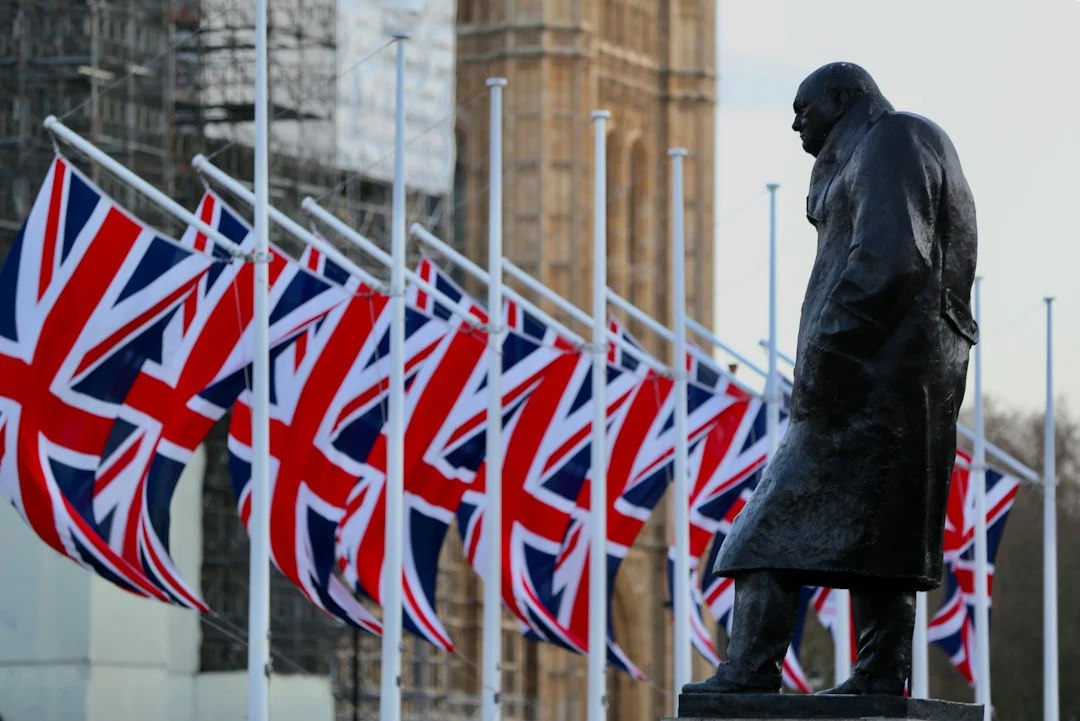
Andy Burnham’s suggestion that a second Brexit referendum is still on the table is more than another familiar flashpoint in British politics. It is a sign that Brexit has never become a sealed chapter; it remains a living question about trade, investment, migration, constitutional trust, and the kind of country Britain wants to be. When Burnham says he cannot build a credible ten-year plan without confronting Europe, he is making a blunt strategic claim: Britain’s future cannot be planned in isolation from its relationship with the European Union.
Burnham, the mayor of Greater Manchester and a senior figure in the Labour Party, is speaking from the territory where politics meets daily economics. Jobs, freight, universities, supply chains, services, and local growth all feel the consequences of Britain’s post-Brexit settlement. That is why his remarks matter: they are not just about whether a vote could happen, but about whether Britain can honestly define prosperity without revisiting the Europe question.
Frequently Asked Questions
Why is Andy Burnham bringing up a second Brexit referendum now?
Burnham is not just reopening an old political fight; he is arguing that Brexit still affects Britain’s long-term economic planning. His point is that trade, investment, migration, and regional growth are all tied to the EU relationship, so any serious ten-year strategy has to address Europe instead of treating Brexit as settled forever.
Does Burnham’s warning mean a second referendum is actually likely?
Not necessarily. The article suggests that Burnham is signaling a political and strategic concern more than predicting an immediate vote. His remarks keep the option alive in public debate, but whether a referendum happens would depend on broader political conditions, Labour’s internal stance, and how much public demand exists for revisiting Brexit.
Why does Burnham say Britain cannot plan a credible ten-year future without Europe?
Because the EU relationship still shapes major parts of the economy that affect long-term planning. Supply chains, freight, university links, services trade, and investment decisions are all influenced by how Britain stands with Europe. Burnham’s argument is that ignoring those effects would make any growth strategy incomplete and unrealistic.
How does Brexit still affect everyday life in places like Greater Manchester?
The article points to practical issues such as jobs, freight movement, university partnerships, business supply chains, and local investment. These are not abstract constitutional questions; they influence wages, employment opportunities, and regional growth. Burnham is speaking from a place where post-Brexit changes are felt directly in the local economy.
Is this debate only about politics, or does it have economic consequences too?
It has both, but the article emphasizes the economic side. Burnham frames Europe as a core issue for prosperity, not just identity or party politics. The controversy matters because Britain’s relationship with the EU can affect business confidence, trade flows, and the ability of governments to make credible long-term economic plans.
What is the main message of Burnham’s warning for Britain?
The central message is that Brexit is not a closed chapter and cannot be ignored if Britain wants a stable future. Burnham is arguing that prosperity, trust, and strategic planning all depend on facing the Europe question honestly. In his view, Britain cannot define its next decade without deciding what kind of relationship it wants with the EU.