
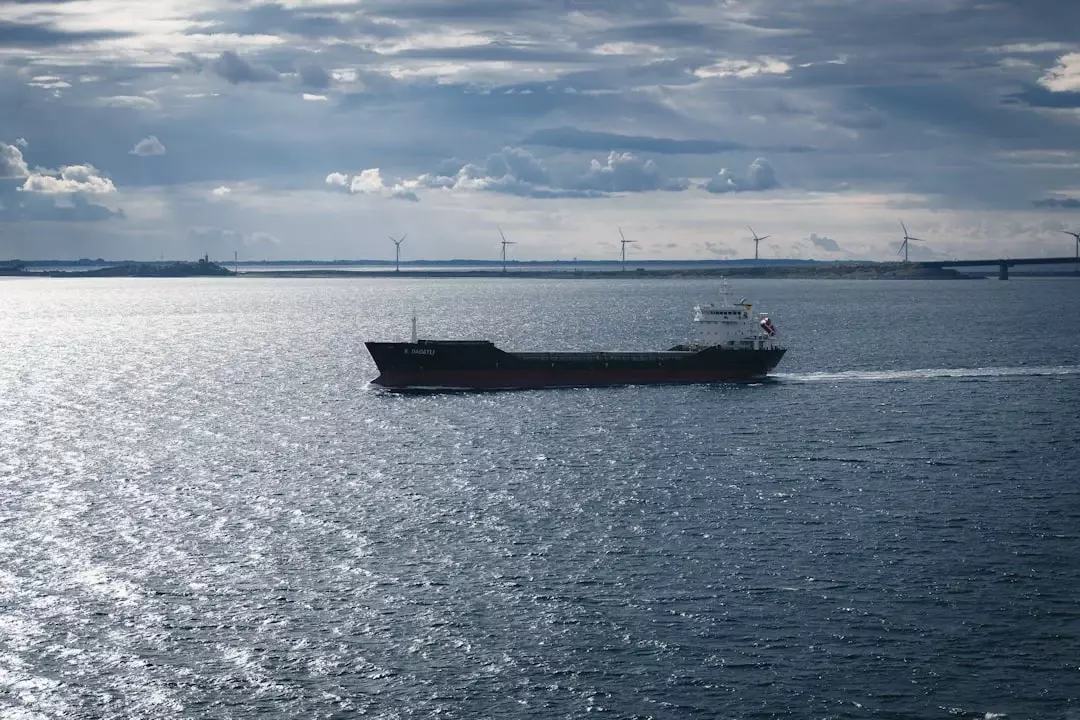
The Russian shadow fleet in the Baltic Sea has become a floating test of Europe’s resolve. Aging tankers, opaque ownership structures and shifting flags help Russian oil reach global markets despite Western restrictions. Meanwhile, these vessels travel through crowded waters close to NATO and EU coastlines. A recent POLITICO discussion featuring security expert Christian Mölling sharpened the central concern: governments often find symbolic retaliation easier than disrupting the economic machinery that sustains Russia’s war effort.
How Russia’s Shadow Fleet Operates
A shadow fleet is not a formal organization with a single command structure. It is a loose ecosystem of tankers, shell companies, traders, intermediaries and maritime service providers. Its expansion accelerated after the Russian invasion of Ukraine triggered extensive international sanctions.
The system exploits distance between legal ownership and operational control. A ship may be owned by a company registered in one jurisdiction, managed from another and sailing under a third country’s flag. Such arrangements are not automatically illegal. However, layered corporate structures can conceal beneficiaries and frustrate enforcement.
Oil Sales Beyond Western Maritime Services
The G7-backed price cap on Russian oil restricts access to participating countries’ insurance, finance and shipping services when cargo is sold above the permitted threshold. Moscow’s answer has been to cultivate alternative transport, insurance and financing channels. Tankers sold out of mainstream fleets can continue operating through less transparent networks, sometimes under flags of convenience.
This makes sanctions on Russian oil exports difficult to enforce. Regulators must establish who controls a vessel, how its cargo was priced and whether certificates are reliable. Every intermediary creates another layer of uncertainty.
Why the Baltic Sea Magnifies the Danger
The Baltic Sea is shallow, environmentally vulnerable and intensely trafficked. Russian energy ports feed routes that pass close to Finland, Sweden, Denmark, Germany and the Baltic states. A mechanical failure, collision or grounding involving a poorly maintained tanker could produce consequences far beyond a commercial loss.
Questions surrounding insurance are especially urgent. If a major spill involves a vessel backed by an obscure or inadequately capitalized insurer, compensation and cleanup may become painfully complicated. The resulting marine pollution could damage fisheries, coastlines and protected ecosystems while leaving coastal governments carrying immediate costs.
Navigation, Surveillance and Suspicious Behavior
Commercial vessels normally transmit identity, position and course through the Automatic Identification System. Missing, manipulated or inconsistent signals can impede monitoring, although an interruption alone does not prove sanctions evasion. Investigators must combine tracking data with satellite imagery, port records, ownership information and cargo documentation.
Security concerns also extend beyond oil. Baltic infrastructure includes power cables, communications links and pipelines. Shadow-fleet movements therefore unfold in an atmosphere shaped by fears of espionage, sabotage and hybrid warfare. Authorities must distinguish genuine hazards from coincidence without lowering their guard.
Why Europe Cannot Simply Seize Every Suspect Ship
The demand to stop suspicious tankers sounds straightforward; maritime law is not. The United Nations Convention on the Law of the Sea protects navigation, including forms of innocent passage through territorial waters. Coastal states possess important powers, but they require a defensible legal basis for detention, inspection or seizure.
Jurisdiction becomes more limited in an exclusive economic zone. Aggressive action unsupported by evidence could provoke diplomatic escalation, generate compensation claims or undermine the rules Europe seeks to defend. This legal restraint explains part of the enforcement gap, but it does not excuse passivity.
The decisive contest is not between action and law. It is between fragmented enforcement and coordinated enforcement grounded in law.
How Europe Can Confront Russia’s Shadow Fleet
Understanding how Europe can stop Russia’s shadow fleet begins with precision rather than dramatic gestures. The Council of the European Union’s sanctions framework permits measures against vessels associated with prohibited practices. Effective implementation requires governments to connect sanctions policy with maritime safety, customs intelligence and financial investigation.
- Target the network: Sanction beneficial owners, managers, brokers and service providers instead of focusing only on ships that can be renamed or reflagged.
- Intensify port-state control: Inspect vessels when jurisdiction permits, prioritizing safety certificates, insurance, maintenance and pollution-response readiness.
- Share evidence rapidly: Integrate satellite data, AIS histories, cargo records and corporate registries across EU and NATO partners.
- Challenge weak insurance: Require credible proof that insurers can meet major spill liabilities rather than accepting paperwork at face value.
- Engage flag states: Press registries to investigate deceptive practices and withdraw flags from ships that violate maritime standards.
The International Maritime Organization provides the global regulatory setting, but implementation depends heavily on states. Europe’s strongest strategy is therefore cumulative: deny reliable services, expose ownership, enforce safety rules and raise the cost of sanctions evasion at every stage.
Why Is Russia’s Shadow Fleet Dangerous?
The danger is a combination of economic leakage, environmental exposure and strategic coercion. Oil revenue can weaken the intended effect of sanctions, while questionable maintenance and insurance increase accident risks. At the same time, ambiguous vessel activity forces European authorities to spend more on surveillance and emergency preparedness.
Not every old tanker is part of a covert oil fleet, and not every unusual maneuver is hostile. Overbroad suspicion could disrupt legitimate trade. Enforcement must be intelligence-led, proportionate and transparent enough to withstand legal scrutiny.
FAQ
Is operating a shadow-fleet tanker automatically illegal?
No. Age, opaque ownership or a non-Western insurer does not by itself establish illegality. Violations depend on conduct, applicable sanctions, documentation, safety compliance and jurisdiction.
Can Baltic countries block Russian tankers from international routes?
They cannot impose a blanket blockade without profound legal and security consequences. They can sanction designated vessels, enforce port rules, investigate pollution threats and act when specific legal grounds exist.
What should European governments monitor next?
Priority indicators include ownership transfers, repeated flag changes, unreliable insurance, deceptive tracking patterns and transfers between ships. Governments should also monitor whether enforcement displaces risky activity into new routes rather than eliminating it.
The Next Test of European Resolve
The most important insight is that Baltic Sea maritime security cannot be separated from economic statecraft. Diplomatic closures may convey anger, but persistent pressure on shipping, finance and insurance can alter the economics of Russian oil exports. That approach is slower, less theatrical and potentially more consequential.
Over the next few years, authorities are likely to combine satellite surveillance, corporate transparency rules and vessel-specific sanctions more aggressively. The unanswered question is whether Europe can coordinate these tools before a major accident or security incident forces action under far worse conditions. The shadow fleet thrives in the seams between institutions; Europe’s response will succeed only when those seams begin to close.
Frequently Asked Questions
Does sailing in Russia’s shadow fleet automatically make a tanker illegal?
No. Aging vessels, complex ownership structures and flags of convenience are not inherently unlawful. Illegality depends on specific conduct, such as sanctions breaches, fraudulent documentation, unsafe operation or violations of maritime rules. Authorities therefore need vessel-specific evidence rather than relying solely on a ship’s age, route, ownership opacity or suspected association with Russian trade.
Can Baltic coastal states inspect a suspected tanker as soon as it enters their waters?
Not automatically. Ships generally retain navigation and innocent-passage rights under international maritime law. Inspection or detention usually requires a recognized legal basis, such as credible safety concerns, pollution violations, sanctions evidence or port-state authority. Powers are narrower in an exclusive economic zone, making careful evidence collection and coordination with flag states especially important.
Why can’t regulators simply check whether Russian oil was sold above the price cap?
The price cap relies heavily on contracts, invoices and attestations distributed across traders, shipowners, insurers and financial intermediaries. Complex ownership and financing arrangements can obscure the real transaction price, while unreliable certificates may be difficult to disprove. Effective enforcement therefore requires combining financial intelligence, shipping records, cargo data and beneficial-ownership information.
Does switching off a vessel’s AIS signal prove sanctions evasion or sabotage?
No. AIS interruptions can result from equipment failure, poor reception, operational mistakes or legitimate security concerns. However, unexplained gaps, identity changes or route inconsistencies can justify closer scrutiny. Investigators typically compare AIS records with satellite imagery, port calls, cargo documents and ownership data before drawing conclusions about sanctions evasion or hostile activity.
Who pays if an underinsured shadow-fleet tanker causes a major Baltic oil spill?
Liability may initially fall on the shipowner and its insurer, but recovery becomes difficult when ownership is hidden behind shell companies or insurance lacks sufficient capital. International compensation mechanisms may provide limited support depending on the circumstances. Coastal governments could still have to finance urgent containment and cleanup while pursuing reimbursement through lengthy legal proceedings.
What enforcement options does Europe have short of seizing vessels at sea?
European governments can tighten port access, verify insurance, sanction shipowners and service providers, investigate beneficial ownership, share surveillance data and target financing or cargo transactions. They can also apply safety and environmental rules through port-state controls. These measures may disrupt the fleet’s commercial network while reducing the legal and geopolitical risks of unsupported seizures.