
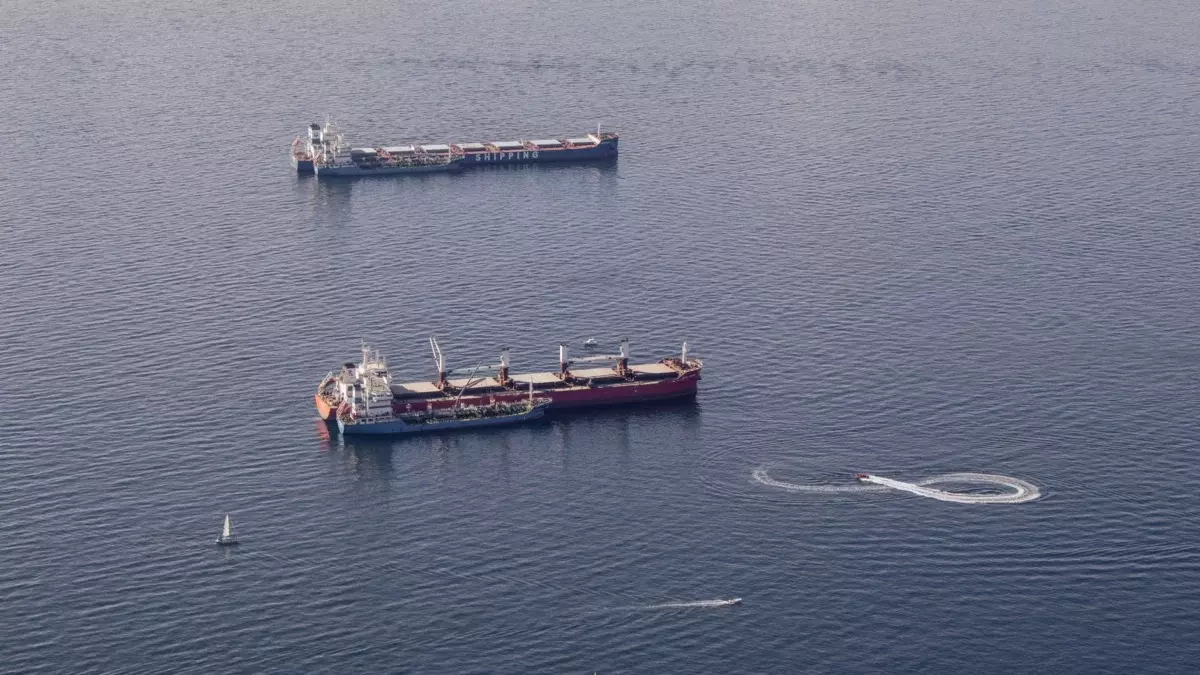
When Qatar warns of industrial catastrophe, it’s not just diplomatic heat—it’s a warning about the fragile chain connecting a single chokepoint to refineries, ports, insurance costs, and ultimately energy prices. As the Iran conflict threat reshapes maritime risk, the Strait of Hormuz is showing the first signs of strain: data cited from recent Kpler reporting suggests an average of 10 ships transited the strait daily over the past 10 days, the lowest level since May.
Qatar warns of industrial catastrophe: Strait of Hormuz shipping risk and global energy impact
In moments like these, the world often watches for dramatic images—missiles, naval movements, and official statements. But the quieter story is often the one that spreads fastest: shipping routes change, transit times stretch, and markets start pricing uncertainty. This article breaks down what Qatar’s warning likely means in practical terms, why the Strait of Hormuz matters so much, and which signals traders, shipping operators, and governments tend to monitor when tensions escalate.
We’ll focus on the operational realities behind the headline, the cause-and-effect chain from maritime disruption to energy markets, and what future developments could look like if the crisis continues.
What Qatar’s warning of industrial catastrophe is really signaling
Qatar warns of industrial catastrophe in a context where Middle East tensions threaten the stability of critical infrastructure and economic activity tied to the region’s energy corridor. The phrase
Frequently Asked Questions
When Qatar warns of an “industrial catastrophe,” what does that usually refer to in practice?
It typically points to a disruption in the logistics chain that supports energy processing and exports—especially schedules for refineries, LNG operations, and port loading. If shipping through or around the Strait of Hormuz becomes unreliable, delays and routing changes can quickly translate into feedstock shortages, higher operating costs, and operational shutdown risk.
Why is the reported dip to about 10 ships transiting per day through the Strait of Hormuz important?
A lower daily transit count is often a proxy for risk-avoidance: some tankers may delay departure, reroute, or slow down operations to reduce exposure. The “lowest since May” detail suggests the market may be reacting earlier than expected, which can cascade into port congestion, longer waiting times, and tighter near-term supply.
How do changes in shipping routes and transit times affect global energy prices?
Longer routes and slower transits reduce effective supply reaching markets on schedule. That can raise spot prices, increase freight and insurance costs, and drive traders to price additional volatility into contracts. Even without a complete shutdown, persistent uncertainty can move futures and prompt buyers to secure cargoes faster or at a premium.
What “quiet” signals do traders, shipping operators, and governments typically monitor during an escalation?
Beyond official statements, they watch shipping telemetry and commercial indicators: AIS patterns (route deviations or reduced transits), tanker wait times at ports, changes in charter rates, insurance premium trends, and widening risk spreads. When these move together, it often signals that disruption is already affecting throughput and pricing.
If the crisis continues, what future developments could be expected for the region’s shipping and energy corridor?
The most likely path is gradual worsening rather than instant catastrophe: more rerouting, longer transit times, increased tanker holding offshore, and higher costs for insurance and freight. Over time, this can strain refinery input flows and shift contract behavior toward shorter terms, emergency resourcing, and greater reliance on additional supply routes.