
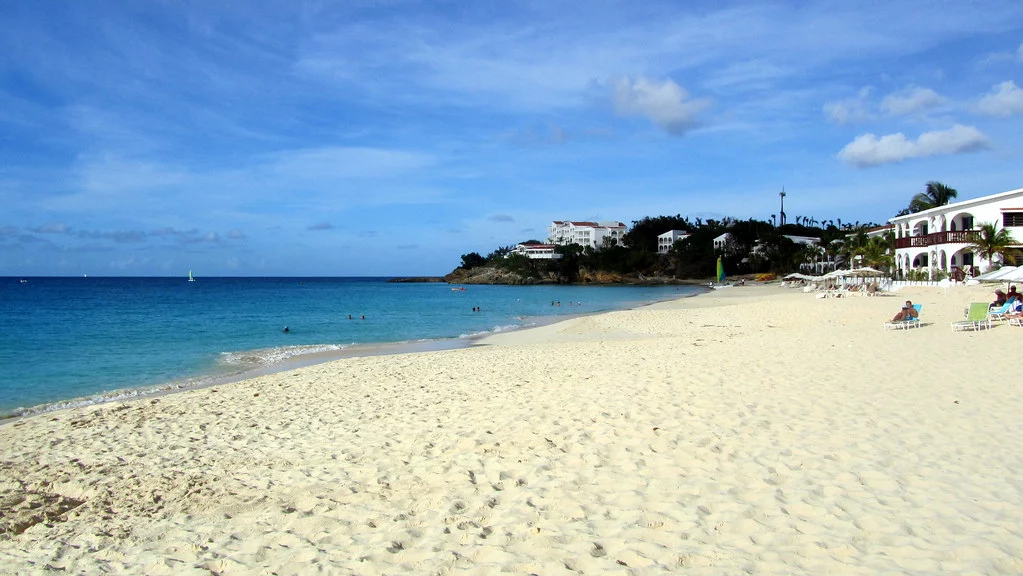
Maundays Bay Anguilla is having the kind of moment that travel destinations dream about: not just a burst of attention, but a global seal of desire. When Condé Nast Traveler placed the bay at No. 2 in its 2026 Readers’ Choice Awards, the recognition did more than flatter a postcard-perfect shoreline. It turned a small curve of sand into a case study in how beauty, branding, and visitor expectation shape modern tourism.
Maundays Bay Anguilla and the New Meaning of a No. 2 Beach Ranking
Anguilla, a quiet British Overseas Territory in the Caribbean, has long traded on a rare combination of calm water, low density, and refined hospitality. Maundays Bay sits at the center of that story. The bay is not just attractive in the abstract way many beaches are attractive; it feels composed, intimate, and almost deliberately edited by nature. That is exactly why a ranking like this resonates so strongly with travelers who are searching for the best beach in the world, not merely another pretty shoreline.
What a readers’ choice ranking really measures
The first thing to understand is that Condé Nast Traveler’s Readers’ Choice Awards are not laboratory measurements. They are a large-scale expression of what travelers remember, recommend, and emotionally reward. That makes the result highly meaningful, but in a different way from a scientific audit of water quality or shoreline width. The ranking captures perception, and in travel, perception often becomes reality.
In other words, Maundays Bay was not selected because it won a technical beauty contest. It rose because enough readers felt that it delivered an exceptional experience: an atmosphere, a visual memory, and a sense of arrival that lingered after the trip ended. That distinction matters. Some beaches are photogenic for a moment; others become enduring mental images. Maundays Bay appears to belong to the second category.
In destinations like Anguilla, a beach ranking is never just about the beach; it is about the ecosystem of perception built around it.
That ecosystem includes the bay itself, the quality of the surrounding hospitality, the island’s reputation for understated luxury, and the way the entire destination feels less crowded than many other Caribbean hotspots. This is where a ranking can become powerful: it does not merely label a place, it amplifies a story that was already there.
Why Maundays Bay feels exceptional in practice
Great beaches rarely rely on one quality alone. They work because several elements combine at once: water clarity, sand texture, protection from heavy surf, scenic framing, and ease of use. Maundays Bay appears to score highly across all of these dimensions. Its broad, luminous sweep of sand and calm, shallow water create a setting that is both dramatic and soothing. The bay’s curve gives it a sense of enclosure, as if the coastline is holding the sea in place long enough for you to notice the color shift from pale aquamarine to deeper blue.
That visual rhythm is important. Travelers do not simply want a beach that looks good from a drone. They want a place that feels good at ground level: a shoreline where swimming is inviting, walking is unhurried, and the horizon feels open but not overwhelming. Maundays Bay offers that balance. It is both expansive and intimate, which is a rare combination in a region as celebrated as the Caribbean.
A luxury beach without the noise of luxury
One of the most interesting things about Maundays Bay is how it fits into the idea of luxury tourism without feeling excessive. Luxury here is not about spectacle; it is about restraint. The beach does not need loud infrastructure to prove its value. Its appeal comes from space, quiet, service, and the sense that the scenery itself is the headline.
That is a major reason the bay has become so closely associated with Anguilla’s top-tier hospitality. When a shoreline is this strong, the entire visitor experience tends to orbit around it. Guests remember the bay, then the resort, then the island. The beach becomes the anchor point for the destination brand.
The resort halo effect around Maundays Bay
Anguilla’s awards success was not limited to the bay alone. Four island resorts were recognized in Condé Nast Traveler’s Caribbean Islands resort category, which underscores how strongly the island’s luxury profile is clustered. That cluster matters because travelers often choose destinations through a mix of beach desire and property reputation. When both align, the effect is powerful.
| Property | Ranking | Why it matters |
|---|---|---|
| Cap Juluca, A Belmond Hotel, Anguilla | No. 2 | A signature beachfront property that helps define the Maundays Bay experience and reinforces the island’s prestige. |
| Malliouhana Resort | No. 20 | Shows that Anguilla’s appeal extends beyond one landmark shoreline and into a wider luxury lodging ecosystem. |
| Zemi Beach House, LXR Hotels & Resorts | No. 23 | Signals the island’s ability to support newer luxury brands while retaining a relaxed Caribbean identity. |
| Four Seasons Resort and Residences Anguilla | No. 34 | Brings global brand recognition to the island and broadens its appeal to travelers who value consistency and high service standards. |
The role of branded hospitality is crucial here. A property such as Belmond‘s Cap Juluca does not merely sit beside the beach; it helps shape how that beach is experienced. Likewise, a globally recognized name such as Four Seasons Hotels and Resorts adds a layer of trust for travelers who want polished service in an unfamiliar destination. These brands matter because they reduce uncertainty. The beach may be the star, but the resort makes it easier to book, enjoy, and recommend.
That is why Maundays Bay’s ranking matters beyond vanity. It strengthens the destination’s commercial story. A traveler researching Anguilla is not just seeing a single scenic image; they are seeing an ecosystem of premium hospitality that can justify the trip.
Why Anguilla benefits more than most places from this kind of attention
Large destinations can absorb a ranking like this without immediately changing their identity. Small destinations cannot. Anguilla is compact, highly dependent on its tourism reputation, and known for a slower pace than many Caribbean peers. That means one accolade can influence everything from search behavior to hotel demand to the way travel advisors present the island to clients.
It also helps that Anguilla has long been associated with a refined, low-rise version of island travel. For visitors who want the Caribbean without the crowds, it offers a compelling alternative to busier resort hubs. Maundays Bay, in that context, becomes more than a single beach. It becomes evidence that Anguilla can compete at the very top of the global beach imagination.
There is also a practical economic effect. In destinations where supply is limited and quality is high, prestige rankings tend to support stronger pricing power during peak demand periods. Hotels do not need a headline to tell them that; they see it in the booking curve. But the headline accelerates the process by legitimizing the destination in the minds of first-time travelers.
What to watch in the market response
The interesting question is not whether interest will increase. It almost certainly will. The question is whether Anguilla can convert attention into longer stays, broader shoulder-season demand, and a stronger reputation for repeat visitation rather than one-time discovery. That is a subtler challenge, and it is where mature destinations distinguish themselves from viral ones.
If the island manages that transition well, Maundays Bay’s ranking could support a healthier tourism profile: higher-value visitors, more stable resort performance, and stronger motivation to preserve the natural qualities that made the beach special in the first place.
The hidden risks behind a beautiful headline
Beautiful places face a difficult paradox. The better they perform in rankings, the more people want to see them. More demand is good for revenue, but it can also stress access, services, and the very sense of tranquility that made the destination attractive. That tension is common in the Caribbean, where beaches are often the main draw but are also vulnerable to overuse, storms, and long-term environmental pressure.
Climate issues matter here too. Beach destinations are shaped by sand movement, coastal management, and the realities of climate change. In the broader region, storm intensity and coastal change are not abstract concerns; they are operational ones. Hurricanes can disrupt travel seasons and reshape shorelines, while erosion can quietly alter the physical character of a beach over time. The most celebrated beaches are often the most fragile.
That is why a ranking should never be mistaken for permanence. Maundays Bay may be No. 2 today because it is visually superb and experientially memorable. Keeping it that way requires careful stewardship, sensible development, and a travel culture that values restraint as much as revenue.
How travelers can use this information
If you are planning a trip on the strength of this ranking, think beyond the headline. Ask what kind of beach experience you actually want. Do you want the quietest stretch of sand, the strongest resort service, or the easiest access to dining and activities? Maundays Bay is best for travelers who value elegance, calm water, and a sense of place over constant motion.
- Book early if you are traveling during peak vacation periods, since award recognition can sharpen demand quickly.
- Choose your resort carefully; on a destination like Anguilla, the property strongly shapes the rhythm of your stay.
- Expect premium pricing and plan accordingly, especially if you are comparing the island to larger mass-market Caribbean destinations.
- Protect the setting by using reef-conscious sun care, respecting beach access norms, and treating the shoreline as a shared natural asset.
For travel writers, tour operators, and destination marketers, the lesson is just as clear. Pair this story with broader coverage of Anguilla luxury resorts, island dining, and sustainable coastal travel. A beach ranking may bring people in, but the wider story keeps them engaged.
Frequently asked questions about Maundays Bay Anguilla
Where is Maundays Bay located?
Maundays Bay is on Anguilla’s southwest side, near Cap Juluca, where the shoreline curves into a sheltered stretch of calm, luminous water. Its position helps explain why it feels so serene and photogenic.
Why is Maundays Bay so famous?
Because it combines the ingredients travelers remember most: striking natural beauty, gentle swimming conditions, a refined resort setting, and a reputation that now extends well beyond the island. In practical terms, it has become one of the clearest answers to the question: why is Maundays Bay so famous?
Is Anguilla a good choice for beach-focused travel?
Yes, especially for travelers who prefer calm, low-density luxury over crowded party scenes. Anguilla’s beaches are central to its identity, and the island has built a strong reputation for polished but understated hospitality.
How does this ranking affect the island’s resorts?
It strengthens the entire destination narrative. A beach accolade can lift the visibility of nearby properties, support booking demand, and reinforce the island’s standing among travelers comparing high-end Caribbean options.
The next chapter for a beach that now carries a global label
The most important insight is that Maundays Bay’s rise is not just a compliment; it is a test. Awards can accelerate visibility, but they cannot preserve a shoreline on their own. What matters now is whether Anguilla can keep the bay intimate and emotionally vivid while the world keeps arriving with higher expectations. The beach’s future will depend on that balance between fame and restraint, between access and protection, between the appetite for travel and the need for stewardship.
That is the real story to watch next. If Anguilla continues to pair prestige with care, Maundays Bay may become more than the world’s No. 2 beach. It may become a model for what the next generation of beach destinations must learn: that the rarest luxury in travel is not abundance, but the ability to remain beautiful after the applause starts.
Frequently Asked Questions
What does a Readers' Choice ranking actually tell you about a beach like Maundays Bay?
It reflects traveler perception more than a technical measurement. Readers' Choice awards capture what people remember, recommend, and emotionally reward after visiting. So Maundays Bay ranking No. 2 suggests it leaves a strong impression through atmosphere, beauty, and overall experience, rather than proving it is the widest, deepest, or scientifically best beach in the Caribbean.
Why does Maundays Bay stand out if there are so many beautiful Caribbean beaches?
Its appeal is less about a single dramatic feature and more about the combination: calm water, luminous sand, scenic framing, and a sense of intimacy. Many beaches are beautiful, but Maundays Bay feels composed and uncrowded, which makes the experience more memorable. That balance is harder to find in high-profile Caribbean destinations.
Is Maundays Bay mainly a place to look at, or is it actually good for swimming?
The article suggests it works well in practice, not just in photos. Its calm, shallow water and protected curve make it inviting for swimming and easy shoreline time. The beach seems designed by nature for both visual impact and relaxed use, which is one reason travelers remember it so strongly.
How can a beach feel luxurious without having a lot of infrastructure around it?
Maundays Bay shows that luxury tourism does not have to mean flashy development. Here, the luxury comes from space, quiet, service, and the feeling that the setting itself is the main attraction. The restraint is part of the appeal, because it lets the scenery and the sense of calm define the experience.
Does this ranking mean Maundays Bay is the best beach for every type of traveler?
Not necessarily. The ranking shows that many travelers found it exceptional, but beach preferences vary. Some people prioritize nightlife, water sports, or big resort energy, while others want calm, beauty, and privacy. Maundays Bay appears to excel most for travelers seeking a refined, low-density Caribbean beach experience.