
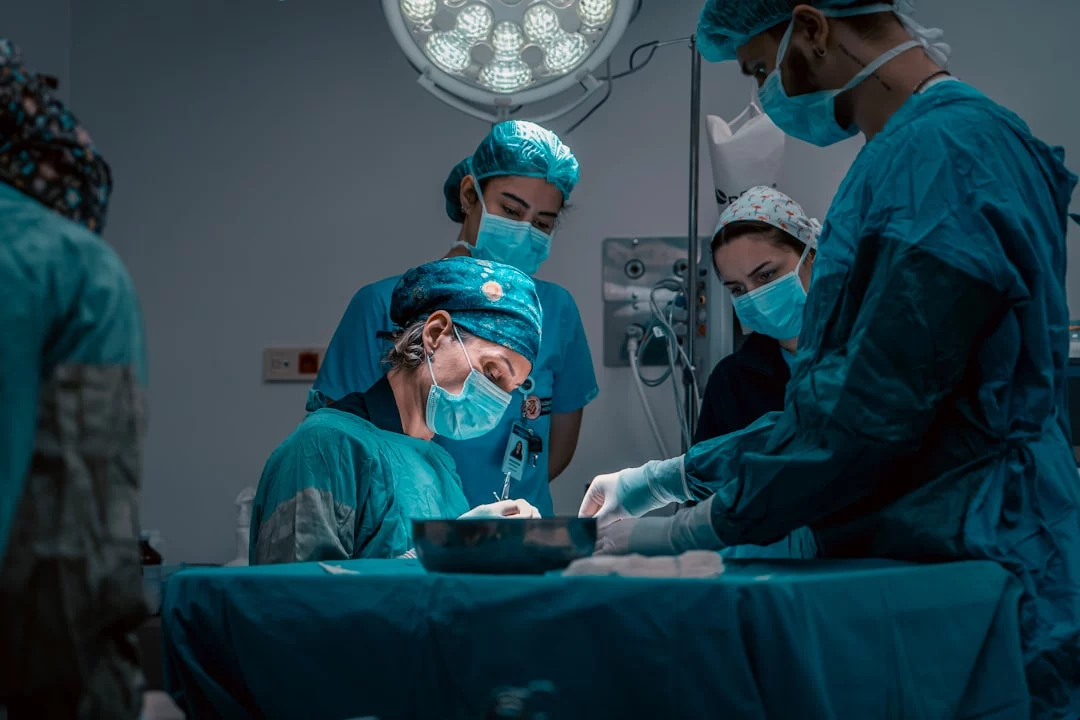
The reported collapse of a 27-year-old influencer moments before liposuction at a Helsinki beauty clinic is a reminder that liposuction surgery risks are often underestimated. The central issue is not whether the procedure was marketed as routine; it is whether the clinic, the screening process, and the anaesthetic pathway were strong enough to handle a sudden emergency. The police investigation is ongoing, so the cause of death should not be guessed at before the facts are established.
Why Liposuction Safety Cannot Be Treated as Routine
Public debate tends to frame cosmetic procedures as low-drama consumer services. That framing is misleading. Cosmetic surgery and plastic surgery are still surgery, and surgery carries real physiological risk. In this case, the critical question is not whether liposuction was the only factor. It is whether the patient’s condition, the chosen anaesthesia, and the clinic’s emergency readiness matched the seriousness of the operation.
What liposuction actually is
Liposuction removes fat through suction cannulas inserted under the skin. It is commonly used for body contouring, not weight loss. That distinction matters because it explains both the appeal and the danger: the procedure is often sold as technically simple, while the body’s response to trauma, fluid shifts, pain medication, and sedatives is anything but simple. The NHS liposuction guidance is clear that it is an operation with the same need for assessment and aftercare as other surgery.
The technique itself may be performed under local anaesthetic, heavier sedation, or general anaesthesia. Each option changes the risk profile. Local anaesthetic reduces the need for airway support, but it still has toxicity limits. Sedation can blunt protective reflexes. General anaesthesia requires a higher level of monitoring and rescue capability. The public often hears only the label and not the operational reality behind it.
Anaesthesia changes the entire safety equation
When a patient passes out before a procedure begins, the immediate concern is rarely the liposuction itself. The more urgent issue is whether the drug, the dose, the route, or an undisclosed health problem triggered a medical emergency. Anaphylaxis, a sudden adverse reaction, is one possibility in any medical setting. So are overdose, vasovagal collapse, arrhythmia, or a problem unrelated to the procedure but exposed by the stress of preparation.
That is why pre-op evaluation matters. A competent team does not assume a healthy appearance equals low risk. It checks medication history, allergies, cardiovascular symptoms, blood pressure, fasting status, respiratory disease, and prior reactions to drugs. In cosmetic settings, where clients may arrive expecting a fast aesthetic fix, this screening step is often the least visible and the most important.
The real liposuction surgery risks start before the first incision
One of the biggest mistakes in public thinking is to focus on the fat-removal phase and ignore the pre-operative pathway. The patient’s safety depends on a chain of decisions: who assessed them, what tests were done, what drugs were selected, what monitoring was planned, and whether the clinic could treat a sudden deterioration. That chain is only as strong as its weakest link.
Informed consent is not a signature on a form. It is a process in which the patient is told the realistic benefits, the foreseeable complications, the recovery burden, and the limits of the facility. If a clinic cannot explain exactly how it handles a crash, transfers a patient, and documents adverse events, the consent process is incomplete. In a true medical setting, the promise is not that nothing will go wrong. The promise is that the team knows what to do if something does.
| Pre-op check | Why it matters | Red flag |
|---|---|---|
| Medical history and medications | Identifies bleeding risk, drug interactions, and hidden disease | Quick questionnaire with no follow-up questions |
| Allergies and prior reactions | Reduces the chance of anaesthetic or drug-related collapse | No detailed review of prior procedures |
| Heart and breathing assessment | Flags patients who may not tolerate sedation or blood loss | No blood pressure, pulse, or respiratory review |
| Sleep apnoea and BMI review | Helps predict airway and recovery problems | Dismissive attitude toward obesity-related risk |
| Aftercare and transport plan | Ensures observation and escalation if symptoms worsen | Same-day discharge with no emergency contact pathway |
Beauty clinic is not the same as hospital-grade care
There is a reason people distinguish between an outpatient salon-like setting and a hospital. Outpatient surgery can be safe, but only if the environment is properly equipped, staffed, and governed. A clinic that offers liposuction must be able to monitor vital signs, manage airway problems, recognise deterioration early, and transfer the patient without delay. If it cannot, the business model is too aggressive for the procedure.
This is where regulation matters. In the cosmetic sector, the market incentive is to present procedures as quick, low-friction purchases. The patient safety incentive is the opposite: slow down, verify, document, and prepare for failure. The tension between those incentives is one reason serious complications happen in high-volume cosmetic settings, especially when cost pressures push patients toward under-resourced providers or medical tourism packages that promise convenience without full continuity of care.
The location also matters. A clinic in Helsinki, like any clinic in Finland, operates inside a specific legal and medical framework. The fact that a patient was later transferred to hospital care suggests that the original setting could not manage the emergency alone. That is not proof of wrongdoing; it is evidence that the emergency exceeded the clinic’s immediate capacity.
The FDA advises patients considering cosmetic surgery to check surgeon credentials, facility accreditation, and emergency planning. That advice is not bureaucratic caution. It is the practical expression of a simple rule: if the procedure can turn into a resuscitation problem, the site must be able to respond like one.
The complications that matter most
Serious outcomes after liposuction are uncommon compared with the total number of procedures, but rarity is not irrelevance. The outcomes that matter most are the ones that can kill or permanently injure a patient before anyone has time to improvise.
- Bleeding and fluid imbalance can destabilise blood pressure and kidney function.
- Thromboembolism can occur when clots form and travel, especially if mobility is reduced after surgery.
- Fat embolism can obstruct circulation and become life-threatening.
- Sepsis can follow infection if sterile technique or aftercare fails.
- Anaesthetic complications can include allergic reactions, respiratory depression, or collapse.
These are not hypothetical edge cases. They are the reason cosmetic surgery is regulated as medicine rather than consumer aesthetics. In a severe complication, minutes matter. A clinic that cannot stabilise the patient and escalate care quickly is not simply inconvenient; it is unsafe.
For readers who want a broader clinical frame, the Wikipedia articles on patient safety, sepsis, and thromboembolism show why a local cosmetic event can become a systemic medical emergency. The label on the storefront does not change the physiology.
What patients should ask before booking
People often research the result they want and ignore the system that must deliver it. That is backwards. Before scheduling any liposuction, patients should ask direct questions and expect specific answers, not vague reassurance.
- Who is performing the procedure, and what are their surgical credentials?
- What type of anaesthesia will be used, and who will monitor it?
- What emergency equipment is on site?
- What happens if my blood pressure drops, I faint, or I have an allergic reaction?
- Where am I transferred if the clinic cannot manage the complication?
- What are the aftercare instructions, and who answers the phone after hours?
Good providers answer these questions without irritation. Bad providers answer with marketing language. The difference is revealing.
Common warning signs
- Pressure to pay quickly or book immediately.
- Minimising the seriousness of anaesthesia.
- Vague language about who is medically responsible.
- No written plan for emergency transfer.
- Overpromising results while underexplaining recovery.
The best defence against cosmetic surgery harm is not fear; it is disciplined scepticism. That means treating body contouring as a regulated medical intervention, not a lifestyle accessory.
Why the public keeps underestimating the danger
Social media has normalised aesthetic procedures by presenting them as polished, repeatable, and emotionally restorative. But the filtered image is a poor guide to medical risk. A procedure can be common and still dangerous. A clinic can look premium and still be underprepared. A patient can appear healthy and still have hidden vulnerabilities.
That gap between perception and reality is why the debate around cosmetic surgery remains contentious. Critics argue that the industry downplays harm because demand depends on perceived simplicity. Defenders point out that many patients benefit from carefully performed procedures. Both positions can be true. The real issue is whether the commercial environment encourages enough restraint. In practice, safety declines when marketing outruns medicine.
There is also the ethical question of consent under pressure. A patient may want a procedure for personal reasons, but those reasons can be shaped by beauty standards, advertising, and comparison culture. The presence of social pressure does not invalidate consent, yet it does require clinicians to be more exacting, not less. Aesthetic desire is not a substitute for medical suitability.
Where regulation and practice may move next
Over the next few years, the most credible changes are likely to be administrative rather than dramatic. Expect more scrutiny of clinic accreditation, better documentation of anaesthetic pathways, and stronger expectations for emergency transfer protocols. In jurisdictions where oversight is fragmented, public pressure may push regulators toward clearer rules for who can administer sedation, what equipment must be present, and how complications are reported.
Technology may help, but it will not solve the core problem. Better monitoring, electronic records, and standardised pre-op checklists can reduce preventable harm. They cannot eliminate human error, commercial pressure, or patient misjudgment. The hard truth is that safety comes from discipline, not branding.
In that sense, the Helsinki case may become more than a local tragedy if it forces a wider conversation about what beauty clinics are allowed to offer and what they are prepared to manage. If a clinic sells procedures that can require hospital-level rescue, then the regulatory question is unavoidable: should it be inspected like a wellness studio or a surgical facility? The answer should be obvious, but the market keeps trying to blur it.
FAQ: liposuction, anaesthesia, and clinic safety
Is liposuction safe?
Liposuction can be performed safely in properly selected patients by qualified clinicians in an appropriate setting. It is not risk-free. The level of safety depends on screening, anaesthesia choice, monitoring, and emergency readiness.
Can anaesthetic before liposuction be fatal?
Any anaesthetic can be dangerous if the patient has an allergy, an undiagnosed condition, a dosing problem, or a reaction that is not treated quickly. Fatal outcomes are uncommon, but they are possible, which is why staffing and monitoring matter.
What is the biggest mistake patients make?
Assuming that a cosmetic clinic is automatically safe because it looks modern or the procedure sounds routine. The more important question is whether the team can recognise and manage complications in real time.
Should patients avoid beauty clinics entirely?
Not necessarily. The decisive factor is whether the clinic functions like a legitimate medical environment, with proper oversight, trained staff, and a transfer plan. The brand name on the door matters less than the standard of care inside.
What this case still does not tell us
The most important unresolved issue is causation. The report describes a collapse before surgery and a later death, but it does not establish whether the trigger was the drug, an underlying condition, a dosing error, or something else entirely. That uncertainty is not a loophole; it is the reason investigations exist. Until the facts are public, the only responsible position is to treat the event as a warning about system design, not a verdict on any one actor.
The deeper lesson is harder to dismiss. Cosmetic medicine succeeds when it respects the fact that appearance-focused procedures still depend on hard medical infrastructure. The next scandal will not be prevented by better slogans. It will be prevented by stricter screening, clearer consent, better rescue capability, and a public that understands one uncomfortable truth: if a clinic cannot safely handle a collapse, it is not offering a minor procedure; it is taking a major risk.
Frequently Asked Questions
Why is a collapse before liposuction more alarming than the surgery itself?
A collapse before the first incision suggests the problem may be with the patient’s condition, the anaesthetic, or the clinic’s emergency response rather than the liposuction technique itself. That can point to a serious reaction such as anaphylaxis, arrhythmia, vasovagal syncope, or drug toxicity. It also tests whether the clinic can recognize and treat an emergency immediately.
Is liposuction safer if it is done under local anaesthetic instead of sedation or general anaesthesia?
Local anaesthetic can reduce some risks because it avoids deeper airway and breathing suppression, but it is not risk-free. The dose still matters, and local anaesthetics can be toxic if too much is used or absorbed quickly. Sedation and general anaesthesia add different risks, including loss of protective reflexes and the need for stronger monitoring and rescue capability.
What should proper pre-op screening for liposuction actually include?
A real pre-op assessment should go beyond a quick form. It should review allergies, medications, cardiovascular symptoms, respiratory disease, blood pressure, fasting status, previous anaesthetic reactions, and any history of fainting or abnormal heart rhythms. The goal is to detect hidden risks before any drugs are given, not to rely on how healthy the patient appears.
Can a cosmetic clinic be considered safe just because the procedure is common?
No. A procedure being common does not make it low-risk for an individual patient. Safety depends on the clinic’s staff training, monitoring equipment, emergency drugs, transfer plan, and ability to manage sudden deterioration. Even routine cosmetic surgery can become dangerous if the facility is not prepared for airway problems, allergic reactions, or cardiovascular collapse.
What questions should a patient ask to judge whether a liposuction clinic is prepared for emergencies?
Patients should ask who provides anaesthesia, how the patient is monitored, what happens if blood pressure drops or breathing becomes difficult, whether resuscitation equipment is on site, and how quickly an ambulance transfer can be arranged. A clinic that gives vague answers or treats emergencies as unlikely may not have an adequate safety pathway.
Why is informed consent more than signing a form before liposuction?
Because true consent requires understanding the likely benefits, the realistic complications, the recovery burden, and the limits of the setting. If a clinic does not explain what happens in an emergency, how complications are documented, and whether hospital transfer is available, the patient is not fully informed. Consent should reflect the actual risks, not just the marketing.