
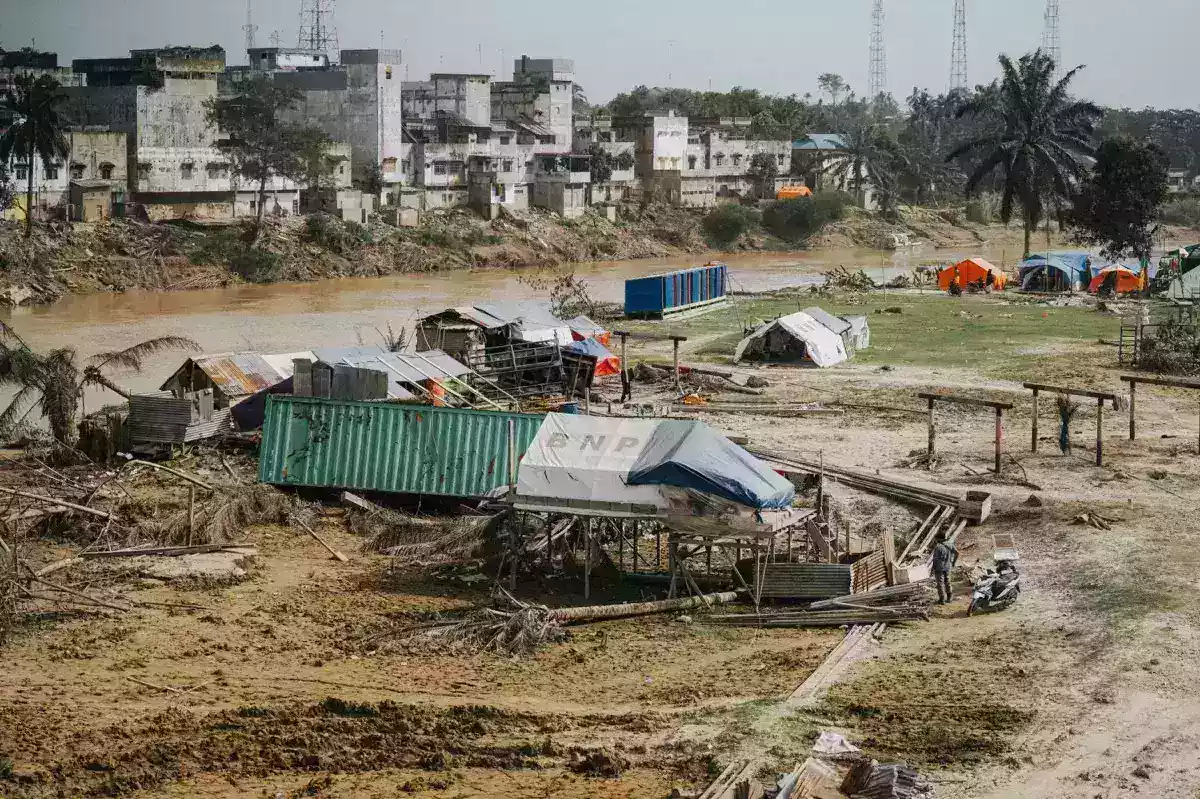
The advanced problem hiding behind the headline
Frequently Asked Questions
Why is it taking so long for families to know what happened after the Nepal floods?
In disasters, uncertainty often lasts because authorities need to recover information methodically. Identifying victims can require locating remains, cross-checking reports from multiple locations, and sometimes DNA or document verification. Communication also depends on damaged infrastructure and overloaded services. As a result, “missing” statuses may persist until identification and documentation are finalized.
What does the “advanced problem hiding behind the headline” refer to?
Beyond the immediate flood damage, the deeper issue is often how recovery systems handle mass emergencies. This can include gaps in preparedness, missing or inconsistent civil records, limited search-and-rescue capacity, and slow coordination between local and national agencies. Even with urgent efforts, these structural weaknesses can delay answers and prolong grief for families.
Can “missing” eventually change to “confirmed dead” or “safe,” and what triggers that update?
Yes—statuses can change once reliable information is found. Updates may come from witnesses, survivor registries, hospital records, or the recovery and identification of remains. Sometimes people believed missing are later located through family networks or temporary shelters. Authorities generally wait for verifiable evidence to prevent false notifications.
How can families cope when hope feels like the only thing they have?
Many families cling to hope through small routines: checking lists of shelters, contacting local officials, and waiting for new information from search operations. Emotional strain is intense, and prolonged uncertainty can worsen anxiety and depression. Support from community groups, counseling services, and faith leaders—along with clear communication from aid agencies—can make waiting more manageable.
What kind of support should missing-person families expect from authorities and aid organizations?
Families typically need practical help as well as information: assistance with lodging and transport while searching, access to medical and psychological support, help compiling evidence for identification, and regular updates from a single coordination point. Where possible, aid groups can provide grief counseling and help reunite families. The most important need is timely, accurate communication.
What changes could reduce the problem of people staying “missing” for months after floods?
Reducing long-lasting missing cases usually requires stronger systems before disasters: reliable population records, better disaster communication networks, trained identification teams, and pre-planned protocols for family notifications. Investing in search-and-rescue logistics and coordination between agencies can also shorten timelines. After-action reviews can turn recurring failures into concrete policy improvements.