
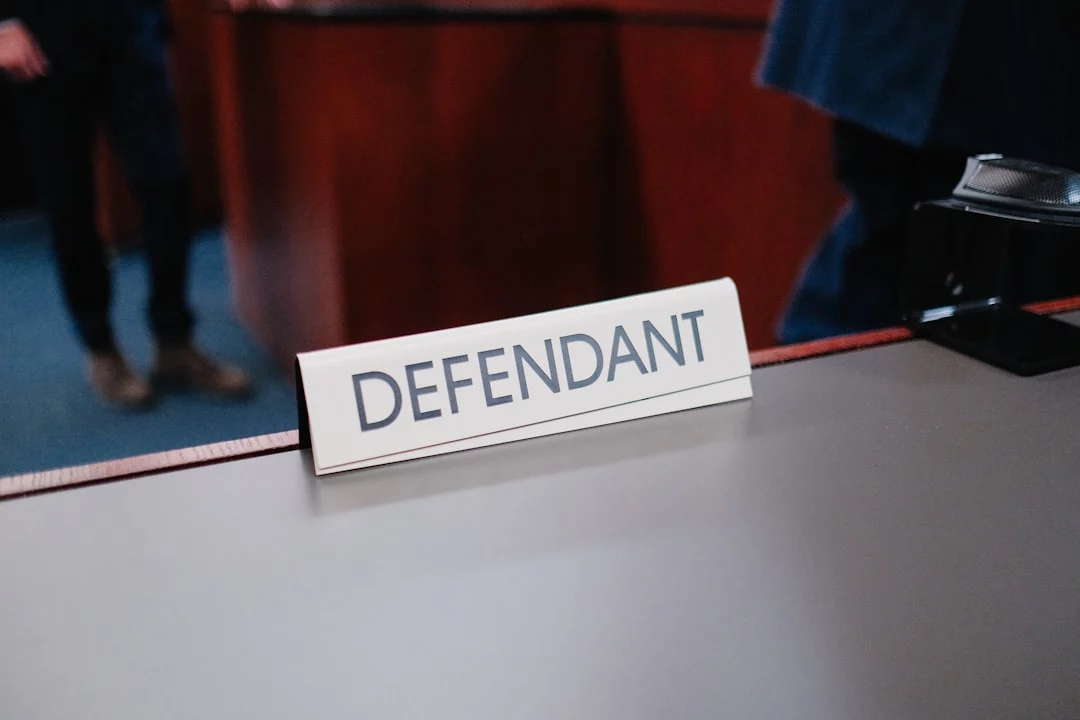
The defense attorney’s claim that the jury entered deliberations with
Frequently Asked Questions
What does it mean that the defense believed the jury had “preconceived notions”?
It means the defense argued jurors may have formed opinions before hearing the evidence—perhaps from media coverage, public commentary, or prior knowledge. The claim is that these views could affect impartiality, even if jurors say they can be fair. In court, the focus is on whether the jury’s mindset undermined a fair evaluation of the facts presented during trial.
How does a defense lawyer typically try to prove juror bias or lack of impartiality?
Typically through voir dire (jury selection questioning) and records showing jurors were exposed to information, expressed beliefs, or responded in ways suggesting they couldn’t be neutral. After the verdict, lawyers may also reference specific statements or circumstances that indicate bias. Courts, however, often require concrete evidence rather than general concerns about publicity.
Does having heard about the case automatically disqualify jurors?
Not automatically. Most jurisdictions allow jurors to have heard of a case, as long as they can set aside what they’ve heard and decide based only on evidence presented in court. The key issue is whether the jurors can remain impartial. Defense claims about “preconceived notions” usually need to show more than generic awareness.
What role do jury instructions play when the defense alleges bias before deliberations?
Jury instructions are meant to guide jurors to follow the law, consider only admitted evidence, and ignore outside information. The defense may argue that despite instructions, the jury still entered deliberations influenced by earlier impressions. Courts generally presume jurors follow instructions unless the defense can point to evidence that the instructions weren’t effective or that bias tainted the process.
If the defense believes there was jury bias, what outcomes can they seek?
The defense may pursue post-trial motions and, in some cases, an appeal. The goal can be a new trial or other relief if the alleged bias is found to have violated the right to an impartial jury. Success depends on showing that the issue affected the fairness of the verdict, not merely that the defense disagrees with the outcome.
Why is this claim especially significant in high-profile cases?
High-profile cases often receive extensive media coverage, which can increase the risk that jurors come in with impressions from outside sources. That’s why courts emphasize impartiality during jury selection and rely on instructions to limit outside influence. The defense’s allegation highlights the tension between public attention and the legal requirement that verdicts be based solely on courtroom evidence.