
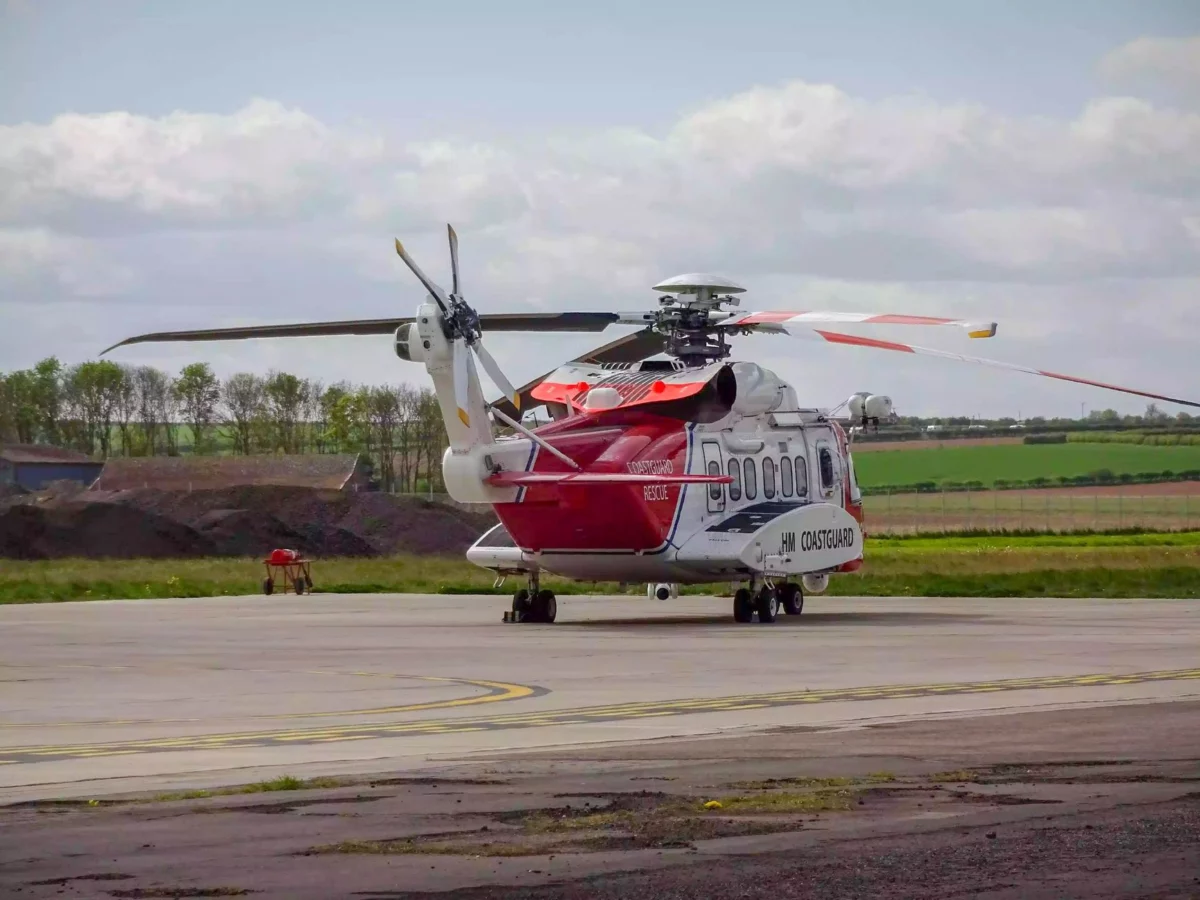
In the moments after an emergency landing after engine failure, the details matter: the words in the cabin, the readback to air traffic control (ATC), and the disciplined sequence of actions that keep an aircraft controllable. This article explains what the recorded emergency call implies about cockpit priorities, how engine-out decision-making typically unfolds, and what listeners and organizations can take away for aviation safety in 2026. If you’re trying to understand the
Frequently Asked Questions
What does an emergency call audio typically reveal about what the cockpit considered most urgent?
Emergency-call audio usually highlights a strict priority order: maintaining control of the aircraft, confirming accurate communications with ATC, and then coordinating checklist-driven actions. Listeners can often hear whether crew members focus first on stabilizing flight parameters (heading, altitude, speed) before discussing broader tasks like passenger information or troubleshooting beyond engine-out basics.
Why is the readback to air traffic control (ATC) emphasized during engine-failure incidents?
Readback matters because it reduces the chance of misunderstanding in high-stress conditions. During engine failure, small errors in altitude, heading, or clearance timing can compound quickly. The audio helps illustrate whether crews and ATC used standardized phraseology and whether acknowledgments were prompt, disciplined, and aligned with evolving aircraft performance.
How does “engine-out decision-making” typically unfold in the first few minutes after failure?
In most engine-out scenarios, the sequence is conservative and checklist-driven: confirm the engine problem, identify thrust/handling cues, establish stable glide or power-loss targets, then quickly choose the most suitable runway or approach options. The recorded call can help listeners infer whether the crew made decisions based on controllability first, then pursued landing coordination.
What can listeners learn from the exact words used in the cabin during an emergency landing?
The cabin dialogue can reveal whether communication stayed objective and role-based rather than conversational. Calm, specific wording often indicates better situational awareness and task ownership. If questions or reassurances appear, they can show how the crew verified assumptions—such as confirming aircraft attitude, managing workload, or ensuring everyone understood the immediate objective.
Does this kind of emergency audio mainly serve investigators, or can it improve everyday aviation safety?
It can do both. Investigators use the transcript and timing to assess procedures and communication quality. Safety teams and training programs can also extract lessons about CRM (crew resource management), adherence to checklists, and communication discipline with ATC. The key value is translating what happened into clearer procedures people can rehearse before emergencies.
What safety takeaways are most relevant for 2026, based on how emergency calls are handled?
For 2026, the practical takeaways often include strengthening standardized ATC phraseology practice, improving crew training for workload spikes, and using post-event analysis to refine how checklists are executed under time pressure. The audio underscores that maintaining controllability and completing communications accurately can be as decisive as the technical response to the engine failure.