
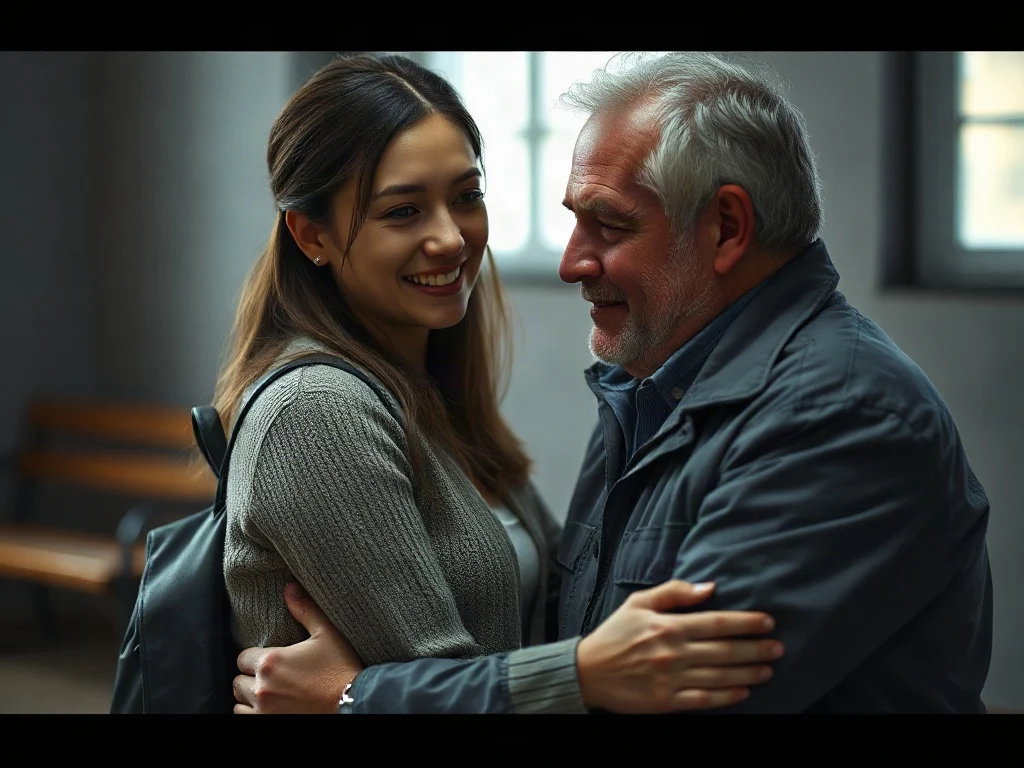
A student describes the moment a fellow passenger “threw himself” at her attacker, and the story of how a passenger saved a student’s life has resonated well beyond the courtroom. After the verdicts, the BBC’s Lucy Manning spoke to Astrid and Stephen as they met for the first time since the attack. This article does not retell the attack. It looks at what such an intervention means, why it is so unusual, and what survivors and rescuers often face once a trial ends.
What we know about the Astrid and Stephen meeting
The BBC News report is a video interview. Its summary states that Astrid, a student, described the moment Stephen threw himself at the attacker, and that this saved her life. It also states that the two met for the first time after the verdicts. Details beyond that are not given in the material this article draws on, so none are added here. Readers should consult the full BBC report for the specifics of the case.
Why a stranger’s split-second intervention is so rare
The psychology of bystanders
Researchers have long studied why people hesitate during emergencies. The bystander effect describes how individuals are less likely to help when others are present, partly because of diffusion of responsibility. The popular account of the murder of Kitty Genovese helped spark this research, although later scholars have challenged how that case was originally reported.
Fight, flight or freeze
The fight-or-flight response explains why most people flee or freeze when confronted with violence. Acting on behalf of a stranger is the exception. Stories like this one are described as heroism for good reason, because the instinct to protect oneself usually dominates.
What the verdicts change for survivors
A verdict ends a long period of uncertainty, but it does not end the trauma. Survivors and witnesses may have waited months to give evidence. In England and Wales, prosecutions are brought by the Crown Prosecution Service, and victims can read a victim impact statement at sentencing. Charities such as Victim Support offer practical and emotional help, and they may be needed most after the media attention fades.
Meeting the person who saved you
The emotional complexity
A first meeting between a survivor and a rescuer can bring gratitude, but also survivor guilt or distress, particularly if the rescuer was injured. Clinicians note that these reactions are common and are not a sign of weakness. Some survivors go on to experience post-traumatic growth, though recovery is not linear and cannot be assumed.
When symptoms persist
Nightmares, avoidance and hypervigilance can be signs of post-traumatic stress disorder. The NHS guidance on PTSD explains symptoms and treatments, which include trauma-focused cognitive behavioural therapy. Building psychological resilience usually depends on social support, and a bond with the person who intervened can sometimes be part of that.
What should a bystander do during a violent attack?
The case should not be read as advice to confront armed attackers. Official guidance generally prioritises personal safety, calling emergency services and, where possible, helping the injured once it is safe. Intervening is a personal and legal judgement. UK law allows reasonable force to prevent a crime or defend oneself, but each situation differs. Practical steps include:
- Move away from danger and alert others if you can do so safely.
- Call 999 and give a precise location and description.
- Use any available barrier or object to create distance rather than engaging directly.
- Give first aid to the injured only once the immediate threat has passed.
Concerns about liability can deter people from helping. The principle behind Good Samaritan laws is to protect those who assist in good faith, though protections vary by jurisdiction.
Reporting survivor stories responsibly
Interviews like this one raise questions of journalism ethics. Reporters must balance public interest against the vulnerability of people who have been traumatised. Interviews after verdicts, when legal restrictions on reporting have usually been lifted, let survivors speak on their own terms, but consent and aftercare remain important.
Frequently asked questions
Who are Astrid and Stephen?
According to the BBC summary, Astrid is a student and Stephen is the passenger who threw himself at the attacker. The BBC’s Lucy Manning interviewed them after the verdicts.
Why is the first meeting significant?
It was the first time the two had met since the attack, and it came after the verdicts, once the legal process had finished.
Where can I find support after witnessing a violent crime?
Contact your GP, the NHS or Victim Support. Early help can make a difference if symptoms persist.
What this story leaves unanswered
The most important insight is that courage and trauma often exist side by side. A rescuer’s split-second choice can save a life, yet both people may carry the event for years. The verdicts close a legal chapter, but the human one continues.
Watch for how the justice system and support services treat people who intervene as well as those who were attacked. The open question is whether the protection and recognition given to such bystanders will ever match the risk they take, and how many more people would act if they knew the aftermath would be properly supported.
Frequently Asked Questions
Does this article retell the details of the attack or the court case?
No. The article deliberately avoids retelling the attack. It relies only on the BBC summary, which says Astrid described how Stephen threw himself at the attacker and that the two met after the verdicts. For specifics of the case, readers should consult the full BBC video report.
Why do most people freeze or flee instead of helping a stranger during violence?
The fight-or-flight response makes self-protection the dominant instinct, so many people flee or freeze. The bystander effect adds to this: when others are present, responsibility is diffused and individuals are less likely to act. Stepping in for a stranger is therefore the exception, which is why such acts are called heroism.
Does a guilty verdict mean the survivor's trauma is over?
No. A verdict ends a long period of uncertainty, but trauma can continue. Survivors may have waited months to give evidence, and support may be needed most once media attention fades. Charities such as Victim Support offer practical and emotional help, and recovery is not linear.
Should bystanders physically confront an armed attacker?
The article says this case should not be read as such advice. Official guidance prioritises personal safety: move away from danger, call 999 with a precise location, use barriers to create distance, and give first aid only once the threat has passed. Intervening remains a personal and legal judgement.
Why might meeting the person who saved you be emotionally difficult?
Such a meeting can bring gratitude, but also survivor guilt or distress, especially if the rescuer was injured. Clinicians say these reactions are common and not a sign of weakness. Some survivors experience post-traumatic growth, though this cannot be assumed, and the bond with a rescuer can sometimes support recovery.
When should someone seek help for symptoms after witnessing or surviving an attack?
If nightmares, avoidance or hypervigilance persist, they may be signs of post-traumatic stress disorder. NHS guidance explains the symptoms and treatments, which include trauma-focused cognitive behavioural therapy. Social support also helps build resilience, so reaching out to services or charities such as Victim Support is worthwhile.