
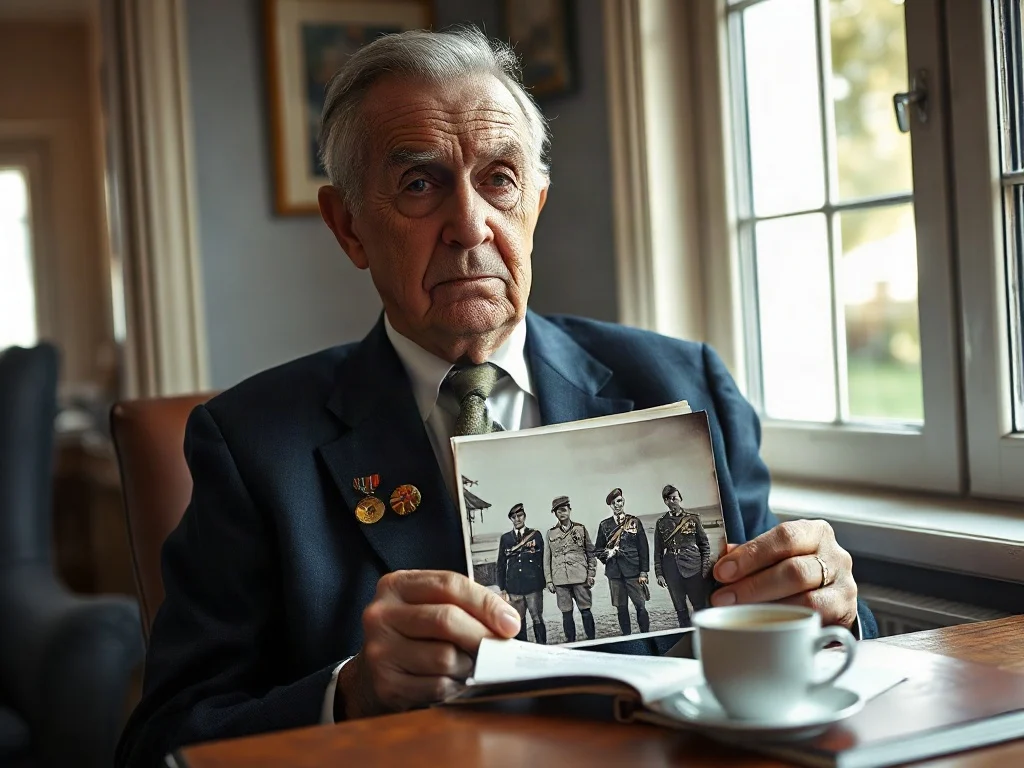
For decades, nuclear test veterans have asked a simple question: did Britain’s Cold War atomic programme damage the health of the people who served in it, and of their families? Now Andy Burnham has told veterans they will get ‘the full truth’ and has confirmed plans for an investigation into the health legacy of the programme, as veterans have been telling the BBC. This article explains the background, what an investigation would have to examine, and why the outcome matters beyond the veterans themselves.
What the British nuclear tests involved
Britain’s atomic weapons programme began with Operation Hurricane in 1952 at the Monte Bello Islands off Western Australia. Further trials followed at Emu Field and Maralinga in South Australia. The hydrogen bomb trials of Operation Grapple took place in the Pacific, around Kiritimati (Christmas Island) and Malden Island.
These tests were part of a wider British nuclear weapons effort shaped by the Cold War. Thousands of service personnel took part, and campaigners commonly cite a figure of around 22,000 British servicemen. Many were young conscripts or national servicemen, and veterans say some had little protective equipment and little explanation of the risks.
Why the health legacy is contested
The scientific problem
The central difficulty is establishing cause. Ionizing radiation is a recognised cause of cancer, but individual doses in the 1950s were often poorly recorded. Veterans’ illnesses also appear decades later, when other causes such as smoking, age and genetics become hard to separate. Epidemiology can detect patterns across groups, but only if exposure records are reliable.
Research findings have been mixed. Official analyses of veterans’ mortality have not settled the dispute in the way campaigners hoped, while some independent work, including studies of New Zealand veterans, has reported biological changes that campaigners say point to exposure. These results are debated and should not be read as proof either way. They show why the question has stayed open.
Intergenerational claims
Many families also report illness among children and grandchildren. This is the hardest area to prove scientifically, and a credible investigation would need to say clearly what the evidence supports, what remains uncertain, and what has never been properly studied.
What an effective investigation must deliver
The promise of ‘the full truth’ sets a high bar. The format matters. A statutory body under the Inquiries Act 2005 has powers to compel evidence, while other review formats may not. The government’s announcement does not by itself settle which approach applies, so veterans and their advocates will watch the terms of reference closely. The comparison with the Infected Blood Inquiry is instructive: survivors waited a long time, and trust depended on independence and access to documents.
- Document access: full disclosure of records held by the Ministry of Defence and the Atomic Weapons Establishment, including dosimetry and safety planning.
- Veteran testimony: a way for ageing veterans to give evidence while they are still able to.
- Independent science: transparent re-examination of exposure and health data.
- Clear outcomes: findings that can lead to recognition, care or compensation, not only a historical account.
Recognition, compensation and the wider precedent
Recognition has advanced in recent years, including a dedicated Nuclear Test Medal, but veterans say symbolic gestures are not the same as an honest account of health risks. Other countries have gone further in some respects. The United States, for example, treats its atomic veterans under compensation arrangements, and Australia has dealt with the Maralinga legacy through inquiries and clean-up programmes. Any UK findings could influence how the Armed Forces Covenant is applied to other contested exposures, such as Gulf War syndrome.
Practical steps for veterans and families
- Gather service records, postings and any medical documents, which may be needed as evidence.
- Contact veterans’ organisations that collect testimony and track the investigation.
- Ask a GP to record the service history in medical notes.
- Seek advice on existing entitlements before assuming a claim is closed.
Frequently asked questions
What happened to British nuclear test veterans?
Thousands of personnel were present at tests in Australia and the Pacific in the 1950s and early 1960s. Many say they later suffered cancers and other illnesses, though causation has been disputed.
Is there compensation for nuclear test veterans in the UK?
Existing routes, such as the Armed Forces Compensation Scheme and war pension arrangements, may apply in individual cases. Veterans have long argued these are inadequate, and the investigation could change that picture.
Will the investigation find the truth about health effects?
That depends on its independence, powers and access to records. Science may show correlation or exposure patterns without proving individual causation.
The test that matters most now
The most important insight is that this is a question of evidence as much as politics. Veterans have waited decades because records were incomplete, science was uncertain and responsibility was disputed. A political promise of ‘the full truth’ will be judged by whether files are opened, whether independent experts examine the data, and whether the findings lead to action while enough veterans are alive to benefit. Watch for the terms of reference, the timetable, and whether families’ claims about later generations are examined or left aside. The result will say much about how Britain treats those who bore the human cost of its Cold War ambitions.
Frequently Asked Questions
Why is it so hard to prove that radiation from the tests caused a veteran's illness?
Radiation doses in the 1950s were often poorly recorded, and cancers appear decades later, when smoking, age and genetics also play a part. Epidemiology can spot patterns across large groups, but only if exposure records are reliable, which is why the question remains open.
Does the promise of 'the full truth' mean a statutory public inquiry will be held?
Not necessarily. The announcement confirms plans for an investigation but does not say which format will be used. A statutory inquiry under the Inquiries Act 2005 can compel evidence, whereas other review formats may not, so veterans will watch the terms of reference closely.
Have scientific studies already settled whether veterans were harmed?
No. Official analyses of veterans' mortality have not resolved the dispute as campaigners hoped, while some independent work, including studies of New Zealand veterans, reports biological changes that campaigners link to exposure. These findings are debated and should not be read as proof either way.
Can the children and grandchildren of test veterans be included in the investigation?
Many families report illness across generations, but this is the hardest area to prove scientifically. A credible investigation would need to state clearly what the evidence supports, what remains uncertain, and what has never been properly studied, rather than leaving the claims unaddressed.
What would make the investigation effective rather than symbolic?
Key elements include full access to Ministry of Defence and Atomic Weapons Establishment records, including dosimetry and safety planning, testimony from ageing veterans while they can still give it, independent re-examination of health data, and findings that can lead to recognition, care or compensation.
Why could the findings matter beyond nuclear test veterans?
Any UK conclusions could influence how the Armed Forces Covenant is applied to other contested exposures, such as Gulf War syndrome. The Infected Blood Inquiry shows how independence and document access can shape trust and outcomes for groups who have waited a long time.