
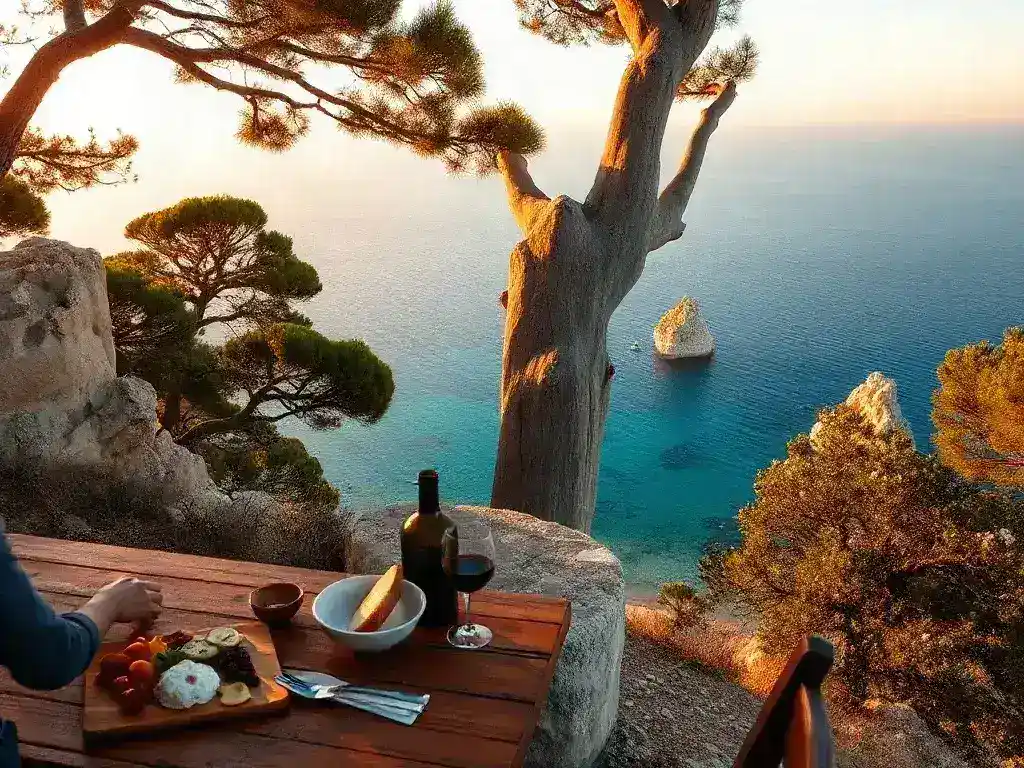
When a destination returns from a major trade fair, the stand matters less than the strategy behind it. After World Travel Market London, the municipality of Sant Josep de sa Talaia on Ibiza is sharpening its pitch for year-round tourism in Sant Josep. It is working to attract visitors well beyond the summer peak by promoting four themes: nature, gastronomy, heritage and live music. This article looks at what that shift means, why it is difficult, and what it could change for residents, businesses and travellers.
The announcement is short, and the public detail is limited. Rather than inventing specifics, this analysis sets out the logic of the strategy, the evidence from comparable destinations, and the questions that will decide whether it succeeds.
Why Year-Round Tourism in Sant Josep Has Become a Strategic Priority
A municipality larger than its postcard image
Sant Josep occupies the southwest of Ibiza, part of Spain’s Balearic Islands. Visitors tend to picture beach clubs and sunset terraces, yet the municipality also holds rural villages, pine-covered hills, working farmland, coves such as Cala d’Hort and the silhouette of Es Vedrà, a limestone islet rising to roughly 380 metres. Part of the Ses Salines salt flats and the Phoenician site of Sa Caleta also lie within its borders.
That variety is the municipality’s strongest argument. Most of these assets do not depend on high summer. Several are better enjoyed in spring and autumn, when temperatures are gentler and the landscape is quieter.
The seasonality problem
Island tourism is famously concentrated in a few months. This creates a familiar cycle: heavy pressure on roads, water, housing and staff from June to September, followed by closures, lost jobs and empty accommodation in winter. Concentrated demand is expensive to serve and fragile to rely on, because a poor summer can damage an entire local economy.
Spain as a whole is a tourism heavyweight. According to figures from the national statistics institute, it received about 85 million international visitors in 2023 and roughly 94 million in 2024. Its tourism sector is therefore under pressure to grow in a more balanced way, not just in volume. Spreading arrivals across twelve months is one of the few strategies that can raise economic value without adding peak-season crowds.
What World Travel Market London Means for Sant Josep
World Travel Market is one of the industry’s largest annual gatherings, held at ExCeL London. It brings together tour operators, airlines, hotel groups and destination bodies, and the official WTM website describes it as a place for the global travel community to do business. For a destination like Sant Josep, a presence there serves two purposes.
- Reaching intermediaries. Tour operators and travel trade buyers decide which regions and products reach consumers, particularly outside high summer.
- Reaching a key market. The United Kingdom is historically one of Ibiza’s major source markets, so a London showcase speaks directly to travellers who are used to flying to the island.
A fair is a starting point, not a result. The real test comes months later, in whether airlines add shoulder-season capacity, whether packages include more than a beach, and whether the municipality can show visitors something worth coming for in March or November.
The Four Pillars: Nature, Gastronomy, Heritage and Live Music
The four themes were not chosen at random. Each one works outside summer, and together they appeal to travellers motivated by experience rather than only by sun.
| Pillar | Why it works off-season | Main challenge |
|---|---|---|
| Nature | Mild weather suits walking, cycling and wildlife watching | Protecting fragile habitats from new pressure |
| Gastronomy | Local produce and traditional dishes are not tied to beach weather | Keeping kitchens and restaurants open and staffed |
| Heritage | Sites and villages are easier to enjoy without crowds | Interpretation, opening hours and signage |
| Live music | Events create a reason to travel on specific dates | Balancing programming with residents’ quality of life |
Nature: the strongest off-season asset
Nature-based travel is the natural anchor for a shoulder-season strategy. Coastal paths, pine forests and countryside suit hiking and cycling, and the salt flats are known for birdlife, including the flamingos that are often seen there outside summer. The waters off Ibiza also hold meadows of Posidonia oceanica, a seagrass that is central to the island’s ecological reputation. Together these support a credible form of ecotourism.
Gastronomy: turning local flavour into a reason to travel
Culinary tourism has become a major travel motivator worldwide. Ibiza’s cooking draws on the Mediterranean diet, with island specialities such as flaó, a cheese-and-mint dessert, and farm produce grown in the countryside around Sant Josep. The opportunity is real, but it depends on a practical condition: restaurants and producers must stay open to receive visitors in the quieter months.
Heritage: stories that predate the beach club
The island’s history is a richer draw than many visitors realise. Ibiza’s Phoenician past, tied to the wider history of Phoenicia, is part of why parts of the island hold UNESCO World Heritage status. Traditional churches, whitewashed villages and rural architecture add to this cultural tourism offer. Heritage works best when it is interpreted well, with guided visits, clear storytelling and reliable opening times.
Live music: the island’s identity, reframed
Ibiza is globally associated with electronic music, but the strategy points to live music more broadly. Smaller concerts, acoustic sessions and festivals can give travellers a dated reason to visit and build an identity that is less dependent on nightclub peaks. The sensitive point is scale and noise, which must be managed carefully in a municipality where people live all year.
Ibiza Off-Season Tourism: Opportunities and Risks
The opportunities
- More stable employment. Longer seasons can mean longer contracts and less reliance on short-term hiring.
- Better use of existing infrastructure. Hotels, restaurants and transport already built for summer could serve more months without new construction.
- Higher-value visitors. Travellers motivated by food, walking or culture often spend differently from short-stay party visitors, although this varies by market.
- Resilience. A diversified calendar reduces exposure to a single bad season, extreme heat or a sudden shift in demand.
The risks
- Housing and workforce pressure. Island housing is already tight in many Mediterranean destinations, and a longer season could extend that pressure across the year.
- Environmental load. The ecological quiet of winter is itself a resource, and ignoring carrying capacity in sensitive areas could cause harm.
- Resident fatigue. The wider debate over overtourism shows that locals can resist even well-intentioned growth if they lose their quiet season.
- Weak connectivity. Without regular off-season flights and ferries, even the best product remains hard to reach.
Sustainable Tourism in Ibiza: Why the Off-Season Is Also an Environmental Argument
The case for extending the season is often presented in economic terms, but it also connects to sustainable tourism. Spreading visits can reduce peaks of water demand, traffic and waste, provided total numbers are managed. The key distinction is between redistributing demand and simply adding it. If new off-season visitors come on top of an unchanged summer peak, the benefits shrink and the pressure grows.
This is the central tension for any destination marketing effort. Promotion is the easy part; shaping who comes, when and how they behave is far harder, and it requires data on occupancy, spending and visitor satisfaction across the whole year.
How Businesses and Visitors Can Make the Strategy Work
For tourism businesses
- Design products around the calendar. Build offers around events and natural moments, such as almond blossom in winter, harvest-season meals or spring walking weeks.
- Coordinate opening hours. Visitors will not trust a destination where half the venues are closed without notice.
- Train and retain staff. A longer season only helps if teams can be offered more stable work.
- Tell specific stories. Local farms, historic sites and named trails convert better than generic island imagery.
For travellers planning things to do in Sant Josep, Ibiza in winter and shoulder months
Visitors outside summer should expect a different island. Many beach venues close, but walking routes, village visits, markets and local restaurants remain. Check opening times before you travel, bring layers for evenings and treat it as a slow, rural and coastal trip rather than a party break. A good plan combines one coastal walk, one heritage visit and one long meal built around local produce.
What Could Change Over the Next Few Years
The following points are reasonable expectations rather than confirmed facts, and they depend on decisions not yet public.
- Remote work. The rise of the digital nomad lifestyle may add longer winter stays, though it also raises housing questions.
- Climate change. Hotter summers could make spring and autumn more attractive, shifting demand towards the shoulder seasons on its own.
- Regulation. Spanish regional authorities are increasingly debating limits and rules on tourist accommodation, and any such measures would shape how far an off-season push can go.
- Measurement. Destinations that track visitor flows and resident sentiment closely will adapt faster than those that rely on arrival totals alone.
Frequently Asked Questions
What is Sant Josep doing to attract tourists all year?
Following World Travel Market London, the municipality is promoting nature, gastronomy, heritage and live music as reasons to visit beyond the peak summer months.
Is Ibiza worth visiting outside the summer season?
Yes, if you want walking, food, culture and quieter landscapes. Expect some seasonal closures, particularly among beach venues and nightlife, so research opening times in advance.
When is the best time to visit Ibiza outside peak season?
Spring and autumn are generally the most comfortable shoulder periods for outdoor activities, while winter suits travellers who want quiet and rural scenery. The best choice depends on your interests and tolerance for cooler weather.
Why does year-round tourism matter for Ibiza?
It can stabilise jobs, make better use of infrastructure and reduce dependence on a few intense months, provided it is managed alongside environmental and housing limits.
The Question Sant Josep Must Answer After London
The most important insight is that extending the tourism season is not mainly a marketing problem. A stand in London can open doors, but the outcome will be decided on the island, by whether staff can find housing, whether restaurants and venues stay open, whether flights and ferries keep running and whether residents feel that a longer season benefits them.
Watch three signals over the coming year: new shoulder-season air capacity, the number of businesses staying open through winter, and any published data on how visitors are distributed across the calendar. If those move in the right direction, Sant Josep could become a model for turning a summer-bound island into a balanced destination. If they do not, the strategy risks becoming a promotional slogan that adds pressure without adding stability. The unanswered question is whether the municipality can grow the quiet months without losing what makes them worth visiting.