
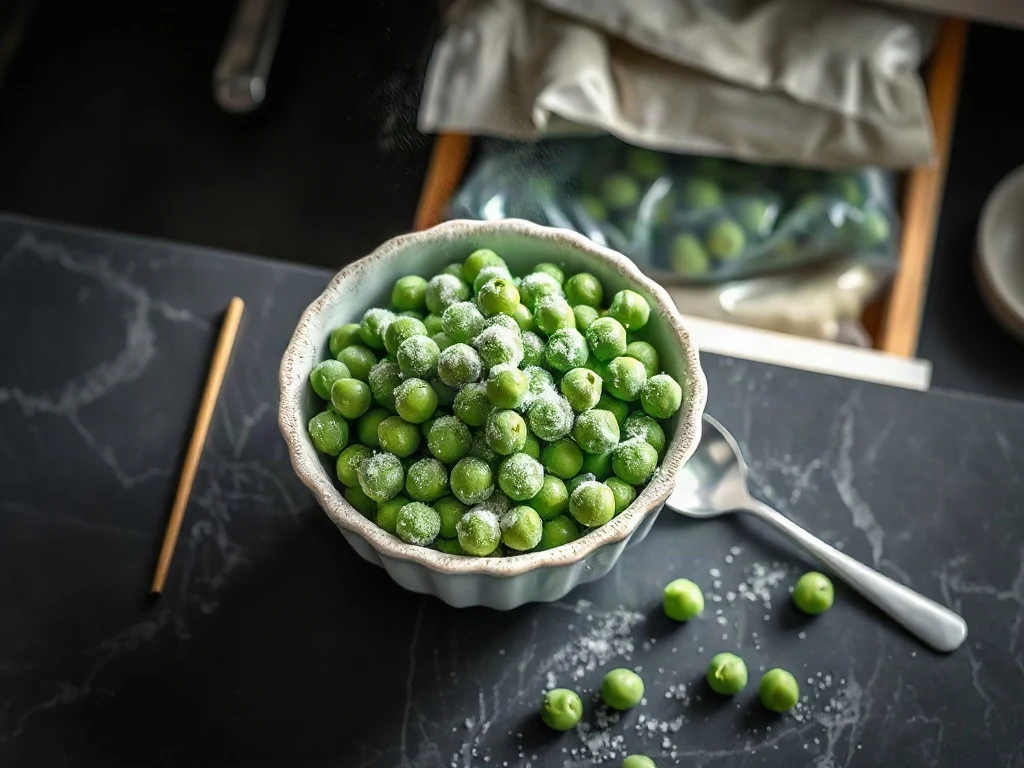
The claim that frozen vegetables are better than fresh sounds like heresy until you look at how produce actually travels. The headline idea, that one frozen vegetable deserves more freezer space than its fresh counterpart, reflects a long-standing professional habit. Many working cooks keep a bag of frozen peas on hand for exactly this reason. This analysis separates what is well supported from what is kitchen lore, and explains when the freezer wins and when it does not.
Why Chefs Trust the Freezer
Chefs judge ingredients by consistency, not romance. A vegetable that is sweet and tender every time beats one that is sometimes superb and often tired. That logic favors frozen produce, which is harvested at peak ripeness and processed within hours. The result is a predictable product, available year-round, with little waste.
The standard example is the pea. Sugars in freshly picked peas are commonly said to convert to starch quickly after harvest. By the time supermarket pods reach a kitchen, they can taste dull and floury. The article behind this discussion is brief and does not make the case in detail, so treat the pea as the best-known illustration rather than the only candidate. Sweet corn and spinach follow similar logic.
How Freezing Preserves Quality
Blanching and Enzyme Control
Commercial processors usually start with blanching, a brief heat treatment that deactivates the enzymes responsible for color loss, off-flavors, and softening. Skipping this step is why home-frozen vegetables often disappoint.
Speed and Ice Crystal Size
Industrial flash freezing produces small ice crystals. Small crystals do less damage to the plant cell walls, so texture holds up better than in slow domestic freezing. The idea traces to Clarence Birdseye, who built the modern frozen food industry in the 1920s.
Frozen vs. Fresh Nutrition: What the Evidence Shows
The nutrition argument is more nuanced than either camp admits. A 2015 University of California, Davis study in the Journal of Agricultural and Food Chemistry compared fresh produce stored in a refrigerator with frozen equivalents. It found no consistent nutritional advantage for the fresh items, and in some cases the frozen items retained more of certain nutrients. The study was limited to a small set of fruits and vegetables, so it does not prove that frozen is always superior.
The reason is simple. Fresh vegetables lose nutrients such as vitamin C during days of transport, display, and storage. Frozen vegetables stop that clock early. A vegetable eaten within hours of picking from a garden is the exception, not the benchmark. For specific nutrient values, the USDA’s FoodData Central database lets you compare entries directly.
Where Fresh Still Wins
- Raw applications: Salads and crudités depend on snap, which freezing cannot preserve.
- Roasting and searing: Water released during thawing causes steaming instead of browning, so broccoli and cauliflower often disappoint straight from the bag.
- Peak-season local produce: Farmers’ market vegetables picked yesterday can beat any frozen product.
- Structure-dependent vegetables: Cucumbers, lettuce, and tomatoes collapse after freezing.
How to Cook and Store Frozen Vegetables Properly
Cooking Technique
Because the vegetables are already blanched, they need less time than fresh. Cook most from frozen, in a hot pan or boiling water, for a few minutes. Thawing first usually makes them waterlogged. For roasting, use high heat and a crowded-free sheet pan so surface moisture evaporates quickly.
Storage and Waste
Good storage prevents freezer burn, so reseal bags tightly and avoid repeated thawing. Frozen vegetables can also reduce food waste, since you use only what you need. Fresh vegetables left to wilt in the crisper drawer are among the most commonly discarded household foods.
Common Mistakes
- Boiling frozen vegetables for as long as fresh ones, which turns them to mush.
- Buying bags with large ice clumps, which suggest partial thawing and refreezing somewhere along the cold chain.
- Choosing frozen vegetables in sauces or seasoning blends, which add sodium and fat the plain product lacks.
Frequently Asked Questions
Are frozen vegetables as healthy as fresh?
Generally yes. Research suggests frozen vegetables match fresh ones that have spent several days in transit and storage, though results vary by vegetable and nutrient.
Why do chefs use frozen peas?
Peas are harvested and frozen at peak sweetness, which makes them more reliable than the fresh pods usually available in stores.
Should you thaw frozen vegetables before cooking?
Usually not. Cooking from frozen preserves texture and avoids excess water.
The Freezer Aisle’s Real Test Is Still Ahead
The strongest insight is that freshness is a measure of time since harvest, not of what the label says. A vegetable that is frozen within hours can be fresher in every meaningful sense than one that spent a week in a supply chain. The remaining questions are about breadth and transparency. Do more vegetables deserve the freezer treatment, and will retailers disclose harvest-to-freezer timing the way they now disclose origin? Watch for broader research beyond the small sample of vegetables studied so far, and for better consumer labeling. Until then, the practical answer is to keep both: fresh for raw and peak-season cooking, frozen as the dependable default.
Frequently Asked Questions
Why do home-frozen vegetables often turn out worse than store-bought frozen ones?
Commercial processors blanch vegetables first, which deactivates enzymes that cause color loss, off-flavors, and softness. They also flash freeze, forming small ice crystals that damage cell walls less. Home freezers freeze slowly and skipping blanching is common, so texture and flavor decline.
Does the UC Davis study prove frozen vegetables are always more nutritious than fresh?
No. The 2015 study found no consistent nutritional advantage for fresh produce stored in a refrigerator, and sometimes frozen items kept more of certain nutrients. However, it covered only a small set of fruits and vegetables, so it cannot support a claim that frozen is always superior.
Should I thaw frozen vegetables before cooking them?
Usually not. Thawing tends to make them waterlogged. Because they are already blanched, most vegetables cook well straight from frozen in a hot pan or boiling water in just a few minutes. Cooking them as long as fresh ones is a common mistake that produces mush.
Why do frozen broccoli and cauliflower disappoint when roasted?
As they thaw, they release water, which makes them steam rather than brown. To improve results, use high heat and an uncrowded sheet pan so surface moisture evaporates quickly. Even then, fresh broccoli and cauliflower generally roast better than frozen ones.
Which vegetables should I avoid freezing or buying frozen?
Vegetables that rely on structure or crunch do poorly. Cucumbers, lettuce, and tomatoes collapse after freezing, and frozen produce cannot deliver the snap needed for salads and crudités. In those cases, fresh is the better choice, especially peak-season local produce.
How can I tell if a bag of frozen vegetables has been mishandled?
Look for large ice clumps inside the bag. They suggest the contents partially thawed and refroze somewhere along the cold chain, which can hurt texture and quality. At home, reseal bags tightly and avoid repeated thawing to prevent freezer burn.